Calcium Carbonate In Hot Water Heaters
On this page 7 sections
Hard water leaves calcium and other minerals behind when it gets hot, and those solids stick to the tank bottom or heating element. That layer insulates the metal, so the heater works longer to do the same job.
Fixing it early is cheaper than letting scale bake on. Left alone, it can raise energy use, add popping or banging, and make a good heater act tired before its time.
Calcium Carbonate In Hot Water Heater
Calcium carbonate in a hot water heater is the hard mineral scale that forms when hard water is heated, causing dissolved calcium and other minerals to settle out and stick to hot surfaces. Yes, calcium buildup can happen inside both tank and tankless water heaters, where it leads to sediment accumulation and scale deposits that reduce performance and lifespan.
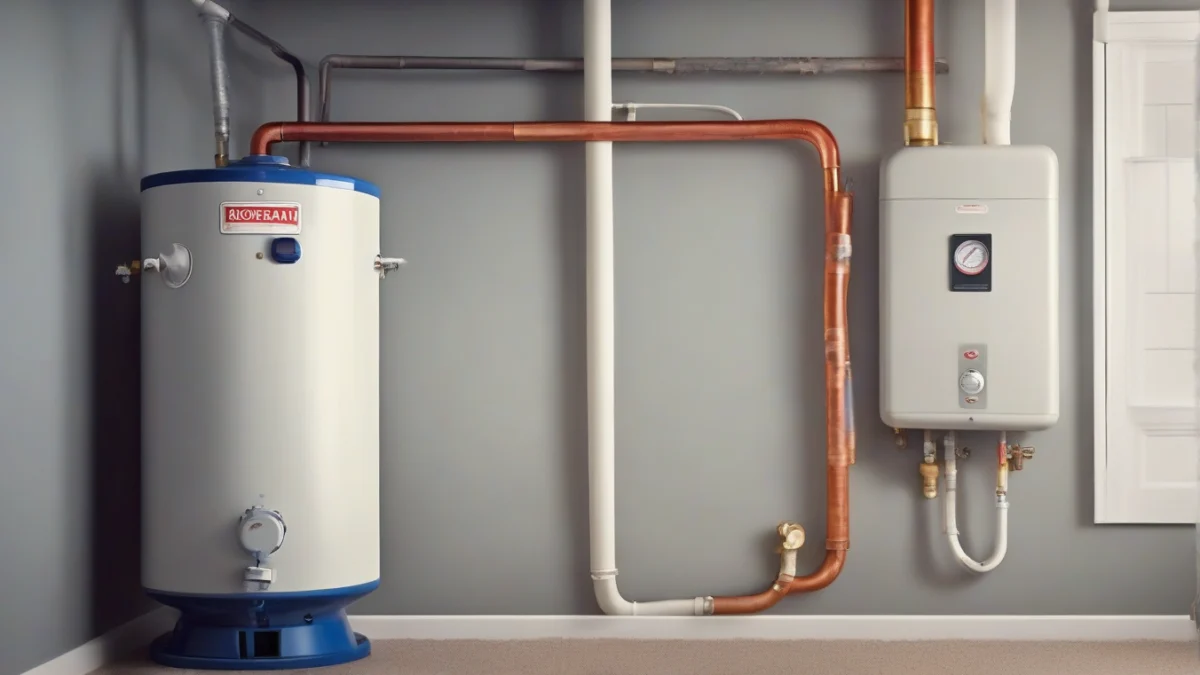
Hard water contains dissolved calcium bicarbonate and other minerals. When water heats, a chemical reaction called precipitation causes these minerals to convert into solid calcium carbonate, which deposits as scale. This scale clings to the heating element in electric tanks or the burner and tank surfaces in gas models. Tankless units experience scale buildup inside the narrow heat exchanger passages, restricting flow and heat transfer.
| Aspect | Tank Water Heater | Tankless Water Heater |
|---|---|---|
| Buildup Location | Bottom sediment, heating elements | Heat exchanger tubes, narrow passages |
| Common Signs | Rust-colored sediment, noisy heating, longer recovery | Reduced flow rates, overheating shutdowns, error codes |
| How Fast Problems Appear in Hard Water | 6-12 months | 3-6 months |
How Calcium Scale Hurts Efficiency And Bills
Calcium buildup reduces water heater efficiency by insulating the heating element, forcing it to run longer to heat the same amount of water.

When calcium carbonate forms a thick layer on the heating element, it blocks heat transfer. The element wastes energy heating the scale instead of the water. That means higher electric or gas use and bigger bills.
| Condition | Heat Transfer Efficiency | Recovery Time |
|---|---|---|
| Normal | 100% | 30 minutes |
| With 1/4-inch scale | 65% | 45 minutes |
This slower recovery means lukewarm showers and longer waits for hot water. Your monthly energy bill rises too—running that 4,500-watt element 50% longer costs about 0.75 kWh more per heating cycle. At 17 cents per kWh, that adds roughly 13 cents per cycle.
Lowering the thermostat reduces scale formation slightly by keeping water cooler, but it also lowers the delivered hot water temperature. That trade-off means less hot water for your needs.

How To Remove Calcium Build Up From Hot Water Heater
Removing calcium deposits from a water heater starts safely with a simple flush and mild descaling.

Stronger acids like muriatic or sulfuric acid dissolve calcium faster but carry serious risks. They can corrode tank parts, damage finishes, and pose health hazards, so they’re best left to professionals.
Electric water heaters may require removal of the heating element to clean scale buildup effectively. Be careful with the element gasket to avoid leaks. If the element is heavily scaled or burned, replacing it is often more practical than prolonged soaking.
 Water Heater Owner's ToolkitFix the common faults yourself, keep it running for years, and know when a repair is money wasted.No-hot-water flowcharts, gas and electricFlush, anode, relief valve and descaling stepsRepair-or-replace calculator (Excel)
How Often Should You Flush A Water Heater
You should flush your water heater at least once a year to prevent calcium buildup from hard water. Flushing removes loose sediment before it hardens into a stubborn crust that reduces efficiency and damages the tank.
Water hardness varies by region, so your flush schedule depends on your local water and how much hot water your household uses. Hard water speeds up scale buildup, while softer water allows for longer intervals. Heavy household use also means more frequent flushing to clear sediment.
| Water Hardness or Use Pattern | Flush Frequency |
|---|---|
| Soft water or light use | Every 18 to 24 months |
| Moderate hardness and average use | Annually |
| Hard water or heavy use | Twice a year |
| Very hard water or commercial use | Every 3 to 6 months |
Look for signs that flushing is overdue: popping or banging noises from trapped steam bubbles, rusty sediment in the drain water, slower recovery of hot water, and cloudy water when draining. These indicate mineral buildup is starting to bake on.
Water Softener, Vinegar, Or Strong Acid
Installing a water softener before your water heater is the most effective way to prevent calcium scale. It reduces hardness by removing calcium and magnesium ions from the water, so less scale forms inside the heater.
White vinegar and mild acids clean light scale deposits safely by dissolving them. Strong acids like muriatic or sulfuric acid remove heavy scale quickly but carry risks of corrosion and require careful handling to avoid damaging the heater.
Softening treats water before it enters the heater, while vinegar and acids work on existing scale inside the tank or on heating elements. Using acids often is not recommended because they can degrade the tank lining or anode rod.
| Treatment | Purpose | Effectiveness | Safety | Best Use |
|---|---|---|---|---|
| Water softener | Prevention | High | Safe with maintenance | Whole house or targeted lines |
| Inline scale inhibitor | Prevention | Moderate | Safe and compact | Tight spaces, point-of-entry |
| White vinegar | Light cleaning | Moderate | Safe for DIY | Minor scale buildup |
| Strong acids (muriatic, sulfuric) | Aggressive descaling | High | Hazardous, requires care | Heavy scale, professional use |
Point-of-entry softeners or inline scale inhibitors suit homes with space constraints or for protecting specific supply lines. For example, the H&G Lifestyles Inline Water Softener is compact, reduces up to 99.6% of calcium, and fits tight spaces while protecting your water heater and plumbing.
Avoid using strong acids on vent-free gas or fuel-burning water heaters without professional advice, as these systems have special service needs beyond water treatment chemistry.
Signs Scale Has Already Damaged The Heater
Calcium buildup damages heating elements by creating insulating scale that overheats and causes early failure. In electric water heaters, this often shows as tripped breakers or a failed element. Tankless models suffer reduced flow and temperature swings as scale clogs the heat exchanger passages.
Tank and tankless water heaters both face scale damage, but it looks different. Tanks struggle with noisy banging from steam bubbles trapped under scale. Tankless units lose efficiency from blocked flow inside the heat exchanger tubes, causing uneven heating and repeated temperature fluctuations.
A badly scaled heating element or heat exchanger overheats locally because the mineral layer traps heat. This stresses the metal and electrical components, leading to early burnout or cracks. On electric models, this can trip your breaker repeatedly or cause the element to fail outright.
Keep a record of flush dates and service receipts. Manufacturers and insurers often check maintenance history before honoring a warranty or claim, especially if scale buildup contributed to failure.
Stop DIY and call a licensed plumber or electrician if you see signs of damage: repeated breaker trips, noisy banging, slow hot water recovery, or poor temperature stability. Also, any work involving wiring, gas connections, venting, or the pressure relief valve requires professional service to avoid safety hazards.
For more on when your water heater is failing, see 5 Clear Signs You Need a New Water Heater Now. This section focuses strictly on damage from calcium scale and when it crosses from maintenance into repair territory.