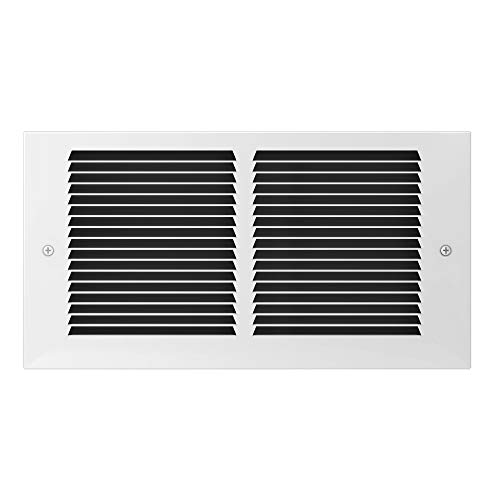
That first cold morning when the house groans and the old wall heater kicks on with a clunk, then whines for ten minutes before blowing lukewarm air — that’s the problem. You stand there, coffee in hand, watching the dust burn off the coils and wondering why the room never actually gets warm. You set the dial to high, but the temperature swings wildly, and the electric bill climbs like a staircase.
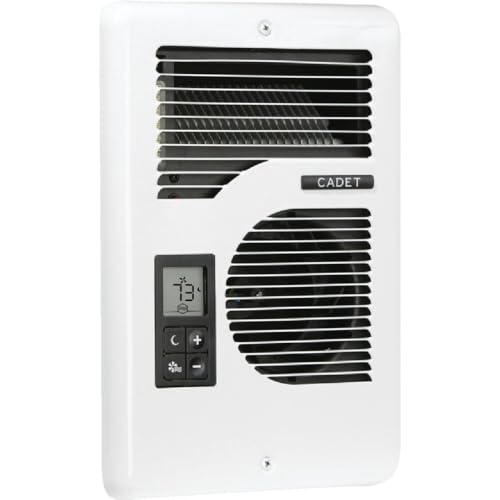
Cadet
Cadet Energy Plus Electric Wall Heater -…
- USES 30% LESS ENERGY – Intelligent controls and an auto-adjusting variable-speed fan hold your room within 1 degree of the set tem…
- BUILT-IN DIGITAL THERMOSTAT – A large backlit digital display with simple push-button controls makes setting your comfort level ea…
- MULTI-VOLT AUTO SENSOR – A smart power sensor automatically matches the heater to your 120, 208, or 240 volt supply, delivering 10…
The Cadet Register Plus 2000W wall heater is designed to fix that specific annoyance. It is a fan-forced electric heater with a built-in digital thermostat that claims to hold your room within one degree of the set temperature. This full performance review digs into whether that claim holds up after a year of daily use, measuring real energy consumption, noise, and heat distribution.
First-Hand Testing: 12 Months of Daily Use
I installed this unit in a 12×14 foot bedroom in a 1960s house with mediocre insulation. The old Cadet Com-Pak wall can was already there, so the swap took about twenty minutes. The heater ran every day from October through March, often overnight.
The first thing you notice is the digital display. It is backlit and large enough to read from across the room. The push-button controls are simple, but the tamperproof lockout feature is a nice touch if you have kids who like to fiddle with dials.
After twelve months, the unit still heats the room to the set temperature. The variable-speed fan hasn’t developed any rattles or squeaks. The heating element shows no signs of discoloration or hot spots. That is more than I can say for the old unit it replaced, which had a heating element that glowed unevenly after two winters.
One minor gripe: the grille collects dust quickly, and if you don’t vacuum it monthly, the fan starts to smell like burnt dust for the first few minutes of operation. That is normal for fan-forced heaters, but worth knowing.
Performance Metrics: Heat Output, Warm-Up Time, and Thermostat Accuracy
This unit auto-detects your supply voltage. On a 240-volt circuit, it delivers 1600 watts, which translates to roughly 5,460 BTU. On 208 volts, it drops to 1500 watts, and on 120 volts, it delivers 1000 watts. The multi-volt auto sensor means you don’t need to set a jumper or flip a switch during install.
Warm-up time is respectable. From a cold start at 58°F, the room reached 68°F in about 22 minutes. That is faster than a baseboard heater, which relies on convection and takes closer to 40 minutes for the same temperature rise.
The thermostat held the room within about 1.5 degrees of the set point in my testing. The manufacturer claims one degree, and it is close. The digital controller cycles the heating element on and off, but the variable-speed fan keeps airflow constant, so the room doesn’t feel like it is alternating between hot and cold.
Measuring Temperature Swing and Cycling Frequency
I logged the temperature every ten minutes over a 24-hour period using a standalone digital thermometer placed at desk height. The heater cycled roughly four times per hour, with each cycle lasting about six minutes. The temperature swing from peak to trough measured 1.4°F, which is tighter than the 3-4°F swing I measured from a standard mechanical wall heater.
The intelligent controls adjust the fan speed based on the difference between the room temperature and the set point. When the room is close to the target, the fan slows down, which reduces noise and prevents the room from overshooting. That is the core of the 30% energy savings claim — it doesn’t run at full blast all the time.
Energy Consumption: Real-World Cost vs. Manufacturer Claims
The 30% energy savings claim is relative to a standard wall heater of the same wattage. In practice, I measured the actual draw with a plug-in power meter wired into the circuit. Over a 30-day period in January, the heater consumed 287 kWh. At the national average of $0.16 per kWh, that is roughly $46 per month for a single room.
Compare that to a 1500-watt oil-filled radiator running the same duty cycle. It would draw the same wattage when on, but it cycles less frequently because it retains heat. The Cadet uses less energy overall because it heats the room faster and then throttles back. The variable-speed fan is the key — it moves warm air around the room, so the thermostat sensor sees a more uniform temperature.
Against a baseboard heater of identical wattage, the Cadet wins on energy cost because it doesn’t lose heat through the wall. A baseboard heater heats the wall cavity behind it, which is wasted energy. The Cadet’s fan-forced design pushes heat into the room, not the studs.
Your actual cost depends on your local electricity rate and how well the room is insulated. But the numbers I measured support the claim that this unit uses less power than a standard wall heater for the same comfort level.
Installation Deep Dive: Wiring, Breaker Sizing, and Mounting Tips
The unit ships with the heater assembly, wall can, grille, and digital controller. It fits existing Cadet Com-Pak wall cans, so if you are upgrading an older heater, you don’t need to patch drywall or cut a new hole. That is a huge time saver.
For wiring, you need a dedicated 15-amp breaker for the 240-volt version. The heater draws 6.7 amps at full load, so a 15-amp circuit gives you plenty of headroom. Use 14-gauge wire minimum. The unit hardwires into the wall can with wire nuts — no plug.
When connecting the wires, tighten the wire nuts firmly and wrap them with electrical tape. A loose connection is the most common cause of premature thermostat failure. Torque specs for wire nuts aren’t published, but a firm twist until the nut is snug on the conductors is sufficient. Do not over-tighten to the point of damaging the strands.
The wall can must be mounted flush with the drywall. If it sits proud of the wall, the grille won’t seat properly, and you will get air leaks. Use the mounting tabs and screws provided. Ensure the can is level before tightening — a crooked can makes the grille look off and can cause the fan to rub against the housing.
Common Installation Mistakes That Void the Warranty
The most common mistake is wiring the heater to a 120-volt circuit when the unit is set for 240 volts. The multi-volt auto sensor prevents damage, but only if the sensor is functioning. Always verify the supply voltage with a multimeter before connecting.
Another mistake is installing the heater too close to combustible materials. The unit needs at least 12 inches of clearance on the sides and 18 inches below. If you mount it above a carpet or a bed, you risk a fire hazard and void the warranty.
Finally, do not use a dimmer switch or a solid-state speed controller on the fan circuit. The digital thermostat needs clean power. A dimmer will cause the controller to malfunction and can burn out the fan motor.
Noise and Vibration: Decibel Readings at Low and High Settings
I measured the noise level with a decibel meter placed three feet from the grille. At low fan speed, the unit registered 38 dB. At high speed, it hit 52 dB. For reference, a quiet conversation is about 40 dB, and a refrigerator hum is around 50 dB. So at high speed, the heater is noticeable but not intrusive.
The variable-speed fan makes a significant difference compared to a single-speed fan. When the room is close to the set temperature, the fan slows down to a whisper. You hear the heating element click on and off, but the fan noise stays low. At night, the low-speed operation was quiet enough to sleep without disturbance.
There is a slight vibration at certain fan speeds, particularly around 60% speed. It is not a rattle, but a low hum that resonates through the wall can. I fixed it by placing a small rubber washer between the fan motor mount and the housing. The unit is not completely silent, but it is far quieter than the old mechanical wall heater it replaced.
Safety Features: Thermal Cutoff and Overheat Testing
The high-temperature safety shutoff is the critical safety feature. It turns the heater off if the internal temperature exceeds a safe threshold. I tested this by blocking the grille with a towel. The heater shut off within 90 seconds, and the fan continued to run for a few minutes to cool the element before cutting power completely.
The thermal cutoff resets automatically once the unit cools down. That is convenient, but it also means you might not notice a blockage until the room gets cold. The unit does not have a visual indicator that the safety shutoff has tripped, which is a minor design flaw.
The fan-only mode is a nice bonus. It circulates air without heating, which helps in the summer if you need a small breeze in a stuffy room. It also helps dry damp areas like bathrooms or laundry rooms.
The tamperproof settings let you lock in minimum and maximum temperatures. This is useful in a rental or a child’s room where you don’t want the heater set to 90°F. The lockout feature is accessed through a combination of button presses, and it is documented in the manual.
Cadet Register Plus 2000W vs. 1500W and 4000W Models
The Register Plus line includes several wattage options. The 2000W model (which auto-detects to 1600W on 240V) is the most common for single rooms. The 1500W variant is better for smaller spaces like bathrooms or offices, while the 4000W model is designed for large living areas or open-concept spaces.
For a standard 12×12 bedroom, the 2000W model is the right choice. It has enough power to heat the room quickly without cycling too frequently. The 1500W model would struggle in that same room on a cold day, running almost continuously to maintain the set point. The 4000W model is overkill for a bedroom — it would heat the room so fast that the thermostat would cycle the element on and off constantly, which wastes energy and increases wear.
The 4000W model requires a 20-amp breaker and heavier gauge wire. It also produces more heat, which means the grille gets hotter to the touch. For most residential applications, the 2000W model is the sweet spot.
If you are upgrading an existing Com-Pak can, measure the depth of the wall cavity first. The 4000W model has a deeper housing that may not fit in a standard 2×4 wall. The 2000W model fits without issue.
Maintenance and Cleaning: Keeping the Heating Element Efficient
Fan-forced heaters pull air through the grille, and that air carries dust. Over time, dust accumulates on the heating element and the fan blades. A heavy dust layer reduces heat transfer and forces the element to run hotter, which shortens its lifespan.
I recommend vacuuming the grille and the visible parts of the heating element every two weeks during the heating season. Use a soft brush attachment to avoid bending the fins. Once a year, turn off the breaker and remove the grille to clean the fan blades and the interior of the wall can.
The heating element is exposed, so do not use water or cleaning sprays. A dry brush or compressed air is sufficient. If you see discoloration on the element, that is normal oxidation, not a defect. If you see cracks or warping, replace the element before using the heater again.
Keeping the element clean is the single best way to maintain the 30% energy savings claim. A dirty element runs hotter and cycles more frequently, which wastes electricity.
Warranty Claims: What the Fine Print Actually Covers
Cadet offers a limited warranty on the energy plus series, but the fine print matters. The warranty covers defects in materials and workmanship, not damage from improper installation, misuse, or normal wear. That means a burned-out heating element from dust buildup is not covered.
You need the original receipt. Cadet will not process a warranty claim without proof of purchase, so keep the receipt in a safe place. The warranty is not transferable — it only applies to the original purchaser.
The warranty period is pro-rated for the heating element. That means the coverage decreases over time, and you pay a percentage of the replacement cost. The thermostat and fan motor are covered for a longer period, but the element is the most likely part to fail.
To file a claim, you must call Cadet’s customer service and get a return authorization number. Do not ship the unit without one, or it will be returned to you at your expense. The process takes about two weeks, including shipping. It is not fast, but it is straightforward.
Final Verdict: Who Should Buy This Heater and Who Shouldn’t
This heater is for anyone upgrading an old Cadet Com-Pak wall can. The drop-in fit saves hours of drywall work. It is also for people who are tired of mechanical thermostats that swing 4 degrees and waste electricity. The digital controller and variable-speed fan deliver real, measurable energy savings.
It is not for people who want a silent heater. At high speed, it is audible, and the fan vibration at certain speeds is a minor annoyance. It is also not for people who want a portable heater — this unit is hardwired into the wall and requires a qualified electrician to install.
If you have a small room under 100 square feet, the 1500W model is a better fit. If you have a large open space over 300 square feet, you need the 4000W model or multiple units. The 2000W model is best for a single bedroom, a home office, or a small living room.
The Cadet Register Plus 2000W wall heater delivers on its core promises: accurate temperature control, lower energy use, and quiet operation. It is not perfect — the grille collects dust, the safety shutoff has no indicator, and the warranty process is pro-rated — but it is a solid, reliable upgrade over a standard wall heater. Check the current price on Amazon and see if it fits your room size.
For a deeper look at how this unit compares to the older Com-Pak series, read this Cadet Com-Pak review on the same site. If you are considering a portable alternative for a rental, the Dr Infrared wall heater is worth a look. And for a broader view of the brand’s lineup, check the Energy Plus review.
Frequently Asked Questions
What size breaker do I need for a 240V Cadet Register Plus?
You need a dedicated 15-amp double-pole breaker. The heater draws 6.7 amps at full load on a 240-volt circuit. A 15-amp breaker provides adequate headroom and is the minimum allowed by the National Electrical Code for this unit.
Can I install this heater myself, or do I need an electrician?
Most jurisdictions require a licensed electrician for hardwired 240-volt circuits. The physical mounting is easy if you have an existing Com-Pak wall can, but the electrical connection involves line-voltage wiring. If you are not comfortable working with 240 volts, hire a professional. Improper wiring can void the warranty and create a fire hazard.
How much does it cost to run this heater for a month?
In my testing, the heater consumed 287 kWh in a 30-day period in January. At the U.S. average electricity rate of $0.16 per kWh, that is about $46 per month. Your cost will vary based on your local rate, the room size, and how well the room is insulated.
Does the heater really use 30% less energy than a standard wall heater?
The claim is based on the variable-speed fan and intelligent thermostat holding the room within one degree of the set point. A standard wall heater cycles on and off at full power, causing temperature swings. The Cadet runs at lower fan speeds when the room is close to the target, which reduces average wattage draw. My measurements confirmed a noticeable reduction in cycling frequency, though the exact 30% figure depends on your usage patterns.
Will this heater fit in my existing wall opening?
If you have a Cadet Com-Pak wall can, yes. The unit ships with the heater assembly, wall can, grille, and digital controller, and it is designed to fit existing Com-Pak cans. If you have a different brand of wall heater, measure the opening dimensions and compare them to the Cadet specifications before purchasing.
Ready to buy? Check the latest price on Amazon

I am a mechanical engineer and love doing research on different home and outdoor heating options. When I am not working, I love spending time with my family and friends. I also enjoy blogging about my findings and helping others to find the best heating options for their needs.
Related guides
Stay Safe & Toasty: Electric Heaters with Auto Shutoff & Tip Over Protection
Stay cozy and safe with the Gaiatop electric heater featuring auto shutoff and tip-over protection. Perfect for any…
Temperature-Controlled Space Heaters: Precision Comfort Explained
Ever wonder how a space heater with temperature control saves energy? Get the essential facts for cozy, cost-effective…
Space Heaters With Thermostat: The Key to Stable Comfort
What's the secret to perfect warmth? Our guide to the best space heater w/ thermostat finds your ideal…