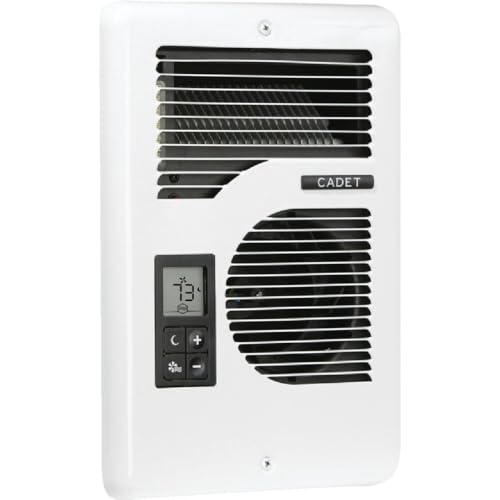
The Cadet Energy Plus wall heater stands out with its digital thermostat and simple controls, designed for easy use without complicated programming. It uses infrared heating combined with a fan to deliver steady warmth while avoiding the wide temperature swings of some wall heaters.
Understanding how this heater works helps you decide if it fits your space, running cost expectations, and safety needs this winter season.
How the Cadet Energy Plus Wall Heater Works
The Cadet Energy Plus wall heater uses electric resistance heat and an auto-adjusting fan to move warm air quietly through the room. Its digital thermostat reads the room temperature, controls the heater with push buttons, and shuts the unit down if operating temperatures rise too far.

That makes the Energy Plus a fan-forced electric wall heater, not an infrared heater. Infrared heating warms people and objects directly; the Energy Plus heats air over an electric element, then the fan circulates that air so the room warms more evenly.
| Part | What it does |
|---|---|
| Electric heating element | Turns electrical energy into heat inside the heat box. |
| Auto-adjusting fan | Moves heated air through the grille and changes speed to limit abrupt temperature swings. |
| Digital thermostat | Shows the room setting and temperature on a large display. |
| Thermal safeguard | Turns the heater off if normal operating temperatures are exceeded. |
| Wall can | Holds the heater assembly inside the wall and can remain in place during many Cadet replacements. |
The controls are deliberately simple: set the temperature with the push buttons and read the result on the large digital display. There isn’t a complicated programming menu to learn, which suits a room that needs heat now rather than a tiny computer with a grille.
Why The Existing Wall Can Matters
Replacing an older Cadet Com-Pak series heater can be easier because the Energy Plus uses the same wall can as many Cadet Com-Pak units. The old can is the metal housing recessed into the wall; reusing it can avoid new wallboard cutouts and patchwork, though the replacement still needs to match the existing installation and wiring.

Searches for “Cadet heaters,” “cadet-f” and “reviews Cadet Energy Plus wall heater” often point to the same basic question: what is actually inside the box? In plain terms, you’re getting a resistance heat box, a variable-speed fan, a push-button digital thermostat and a thermal safeguard, with the wall-can compatibility doing much of the replacement work.
What the Heater’s Running Cost Looks Like
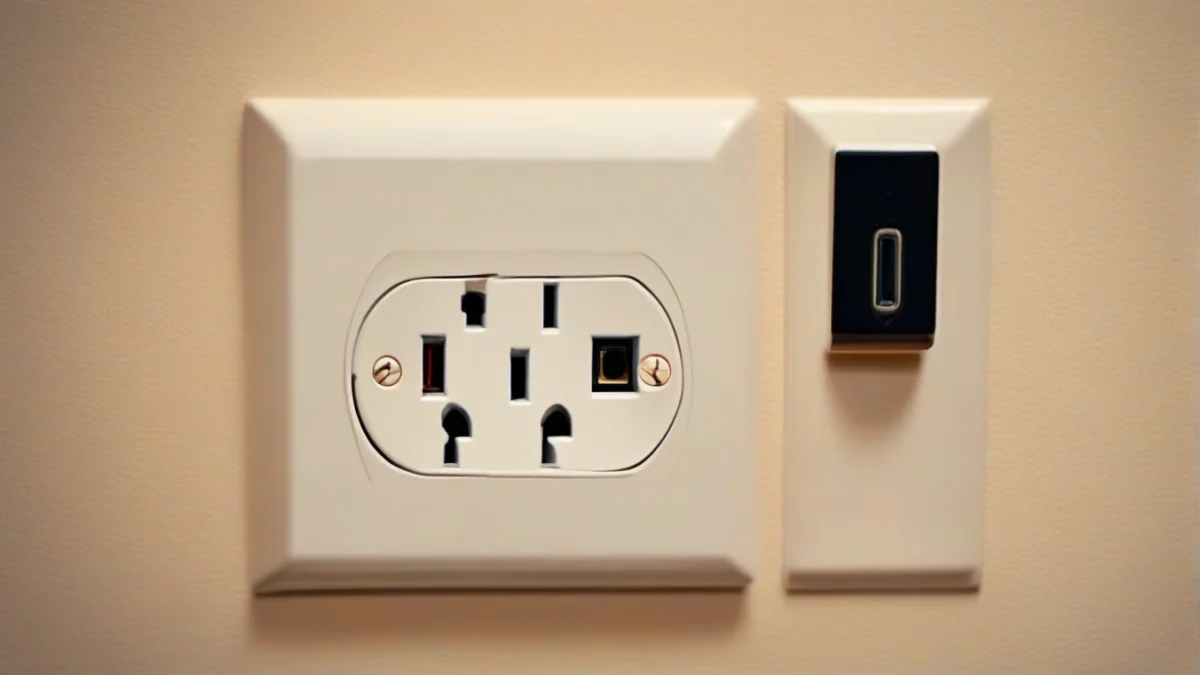
For heaters, energy use is measured in watts, and the Cadet Energy Plus draws up to 1,500 W when its heating element runs at full output. At 120 V, that is about 12.5 amps, so it belongs on a properly wired wall outlet rather than an overloaded circuit shared with other high-draw appliances.
An electrical heater rated at 1,500 W uses 1.5 kilowatt-hours in one hour of continuous operation. Using an assumed US electricity rate of 17 cents per kWh, the calculation is 1.5 × $0.17 for each full-power hour; the thermostat can lower actual use by switching the element off after the room reaches its setting.
| Heater | Watts | Per hour | Per day (8 h) | Per month (30 days) |
|---|---|---|---|---|
| Cadet Energy Plus at full output | 1,500 W | 26¢ | $2.04 | $61.20 |
That cycling is why the nameplate wattage isn’t a promise that the heater will pull 1,500 W every minute. A well-insulated room may need less heating time, while a drafty room can keep the element running for much of the coldest night. Wall insulation and air leaks often matter more than a small difference between electric resistance models; see how wall insulation drastically improves heater efficiency for the part the heater can’t fix.
| Heater type | What controls energy use | Efficiency point |
|---|---|---|
| Electric resistance wall heater | Wattage and time the element runs | Nearly all electricity entering the element becomes heat in the room |
| Infrared or radiant heater | Wattage, distance and how long it runs | Directly warms people and surfaces, which can feel comfortable at a lower air temperature |
| Ventless gas wall heater | Fuel input, run time and gas price | Avoids a flue, but its fuel cost and indoor-air requirements differ from an electric heater |
A ventless wall heater isn’t automatically cheaper because it has no vent. Gas prices, the heater’s input rating and how long it runs decide the bill, while electric resistance heat avoids combustion and exhaust at the point of use. For a product-specific look before buying, see the Cadet Energy Plus 2 electric wall heater review.
Comfort and Temperature Control Features
The Cadet Energy Plus keeps comfort steadier by pairing a digital thermostat with an auto-adjusting fan, so the room gets less of the blast-then-chill cycle common with basic heaters. The element supplies heat, the fan distributes it, and the thermostat decides when the system needs to work.
A digital thermostat lets you choose a precise target temperature instead of relying on a vague dial position. Once the room reaches that setting, the heater reduces or stops heat output; as the temperature drifts down, it calls for heat again. That cycling also limits unnecessary runtime, although a cold room with poor insulation will still ask for plenty of heat.
The auto-adjusting fan changes airflow to match the heating demand. Lower demand generally means less aggressive air movement, while a larger temperature gap calls for more circulation. Fewer abrupt changes make the room feel more even, especially near the heater where fixed-speed fans can feel overly hot.
Are ceramic heaters energy efficient? A ceramic heater using electric resistance is about as efficient as another resistance heater with the same wattage; the ceramic material doesn’t create extra heat from the same electricity. Thermostat control, insulation and runtime determine the bill.
Are radiant heaters energy efficient? They can use energy effectively for personal comfort because infrared heating warms people and objects directly instead of heating every cubic foot of air first. Are Dyson heaters energy efficient? The brand name doesn’t answer that; compare the model’s wattage, thermostat behavior and operating time with this heater.
Safety Features and Installation Considerations
Cadet heater reviews should give its thermal safeguard proper credit: the heater shuts itself off if internal temperatures rise too far, adding a layer of protection when airflow is blocked or a fault develops. The safeguard doesn’t replace clear space around the grille or routine checks for dust.
Using an existing wall can makes installation simpler because you may not need to cut a new opening in the wall. Wiring and mounting still need to follow the heater’s instructions, and new circuit or electrical work is best handled by a licensed electrician. A tidy-looking retrofit is no excuse for a questionable connection behind the drywall.
| Check | What to confirm |
|---|---|
| Wall opening | The existing wall can matches the heater’s required size and mounting instructions |
| Clearance | Keep at least 3 feet from curtains, bedding, furniture and other combustibles unless the manual requires more |
| Electrical safety | The circuit and wiring match the heater’s instructions; don’t use an extension cord or power strip |
| Listing | The heater carries a UL listing and is installed as listed |
Readers comparing an energy efficiency gas heater with this electric wall heater should compare operating cost, not the word efficient on the box. Electric resistance heat turns the electricity it uses into heat at the room; a gas heater brings fuel-burning, venting and carbon-monoxide requirements into the decision. Local fuel and electricity rates decide which costs less to run.
For a closer look at the model’s controls, installation experience and drawbacks, see the Cadet Energy Plus 2 electric wall heater review. Reviews can reveal nuisance shutdowns or awkward controls, but the UL mark, required clearances and correct wiring are the safety checks that matter in your room.
Which Rooms and Situations Suit This Heater Best
The Cadet Energy Plus fits bedrooms, offices, bathrooms approved by its installation instructions, and small to medium rooms where quiet, steady heat matters. Its fan can run more quietly at lower demand, so someone working at a desk or trying to sleep gets less heater noise than with a fan that runs at one speed.
Large open areas and poorly insulated spaces are weaker matches because heat escapes or spreads before the thermostat can make the room comfortable. A 1,500 W wall heater can only deliver its rated electrical output; it can’t compensate for open doorways, leaky windows and a room that behaves like a porch.
People searching for the best heaters for home low energy use or the most energy efficoent heater should start with the room and the heat loss, then compare controls and operating rates. Electric resistance heaters are effectively equal at turning electricity into heat at the point of use, so a thermostat that prevents unnecessary runtime and insulation that keeps heat inside often matter more than a flashy efficiency claim.
The best energy efficient fan heater is the one sized for the space and controlled well enough to avoid heating an empty room. For a broader comparison of electric options, the most energy-efficient electric heaters guide is the useful next stop; choose a different type if you need to heat a large, open or especially drafty area.
Questions People Ask
Is the Cadet Energy Plus wall heater energy efficient?
Can I install the Cadet Energy Plus in place of my old Cadet heater?
How much electricity does the Cadet Energy Plus use per hour?
Does the Cadet Energy Plus heater have safety shutoff features?
What clearance space is needed around the Cadet Energy Plus heater?
Is the Cadet Energy Plus suitable for bathroom use?

I am a mechanical engineer and love doing research on different home and outdoor heating options. When I am not working, I love spending time with my family and friends. I also enjoy blogging about my findings and helping others to find the best heating options for their needs.
Related guides

Unveil the Secrets of the Top Soleil Parabolic Heaters
Chilly evenings leaving you cold? The best soleil parabolic heater brings warmth in minutes. The Presto Heat Dish…
Top 5 Wall-Outlet Space Heaters for Small Rooms & Bathrooms
Ever wonder if a plug-in wall outlet heater is safe? Get the crucial facts you need before you…
Transform Your Fireplace: 5 Electric Inserts You Didn’t Know You Needed
Upgrade your home with the best electric insert for existing fireplace installation. Enjoy warmth and ambiance effortlessly—find your…