

Your Bradford White water heater is a workhorse, silently providing hot water for years. But its longevity hinges on a single, often overlooked component: the sacrificial anode rod. Think of it as your tank’s personal bodyguard, taking the hits so the steel lining doesn’t have to. When this rod fails, corrosion attacks the tank itself, leading to premature failure and costly replacement.
Knowing the correct Bradford White anode rod size and type is the first step in proactive maintenance. It’s not a one-size-fits-all situation. Using the wrong rod can mean a poor fit or subpar corrosion protection. For a truly long-term solution, many professionals now recommend the Corro-Protec Powered Anode. This electronic anode eliminates the need for periodic replacement and is compatible with most Bradford White models, offering a modern alternative to traditional rods.
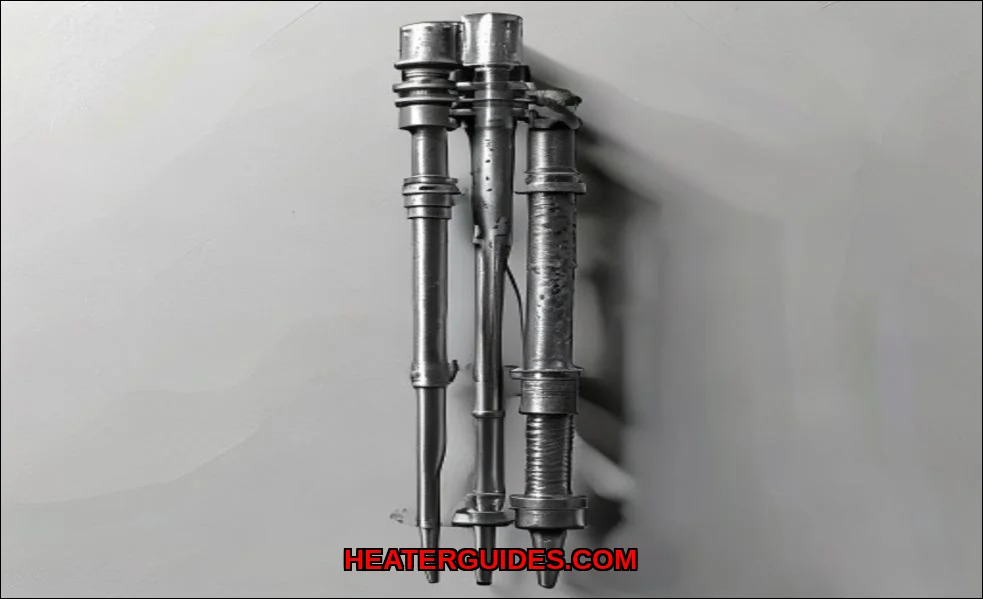
What is a Water Heater Anode Rod and Why is it Critical?
Inside your water heater, two different metalsthe steel tank and the anode rodare submerged in water. This creates a small electrical current, a process called galvanic corrosion. The anode rod is intentionally made of a more “active” metal (like magnesium or aluminum). It sacrifices itself, corroding away to protect the more critical steel tank. This is the core of its corrosion protection.
Without a functioning sacrificial anode rod, the electrochemical process attacks the tank’s interior. You’ll see rust-colored water, hear rumbling noises from sediment buildup, and eventually face leaks. Replacing the anode rod is the single most effective thing you can do to maximize your water heater lifespan. It’s far cheaper than a whole new unit.
Bradford White Anode Rod Specifications: Size, Thread, and Type
Bradford White designs its residential water heaters with a specific anode rod configuration. Getting the specs right is crucial for a proper fit and optimal performance.
Standard Size and Thread
The vast majority of Bradford White residential gas and electric models use a standard configuration:
- Hex Head Size: 3/4-inch hex head. This is the socket size you’ll need for your wrench.
- Thread Size: 3/4-inch NPT (National Pipe Taper). This is the standard thread for anode rods in the U.S.
- Length: This varies by tank capacity. Common lengths are 41 inches for 40/50-gallon models and 44 inches or longer for taller or larger units (75-80 gallon).
A critical component is the dielectric nipple. This is a plastic-lined connector that electrically isolates the hot water outlet pipe from the tank and anode rod. It prevents galvanic corrosion between the copper pipe and the steel tank. When replacing the anode, you must reinstall this nipple correctly.
This article is part of our bigger Bradford White Water Heater Troubleshooting & Repair Guide hub.
Finding Your Specific Model Information
To be absolutely sure, you need your water heater’s model number. It’s located on the unit’s rating plate. You can then cross-reference this number with the official Bradford White website or contact their customer service for the exact Official Bradford White part numbers for anode rods. For example, common part numbers include SP21040T (for a 40″ rod) and others specific to certain lines like the Defender Series.
If you’re comparing brands, our analysis of Bradford White vs Rheem water heater designs shows that while both often use 3/4″ NPT threads, their access points and rod lengths can differ, so a direct swap isn’t always guaranteed.
Comparing Anode Rod Materials: Magnesium, Aluminum, and Aluminum-Zinc
The material of your anode rod directly impacts its performance and compatibility with your water. Heres a breakdown of the three main types.
| Material | Best For | Pros | Cons |
|---|---|---|---|
| Magnesium Anode | Soft water areas (low mineral content) | Most electrochemically active, offers superior protection; often produces cleaner hot water. | Corrodes fastest in soft water; can cause a slight sulfur/rotten egg smell in some water conditions. |
| Aluminum Anode | Hard water areas (high mineral content) | Longer-lasting than magnesium in hard water; less prone to causing odor issues; generally more affordable. | Less active than magnesium; may leave aluminum oxide flakes in the tank (harmless but noticeable). |
| Aluminum-Zinc Anode (or Zinc-Aluminum) | Water with sulfur bacteria or odor problems | The zinc component helps suppress sulfur/rotten egg smells; a good all-around compromise. | Can be harder to find than pure aluminum or magnesium rods. |
So, should I use magnesium or aluminum anode rod in my Bradford White? Test your water hardness. If you have soft water and no odor issues, magnesium is the premium choice for protection. For moderate to hard water, aluminum or aluminum-zinc is typically recommended for longevity and odor control. When in doubt, match the material of your original rod.
Step-by-Step Guide to Replacing Your Bradford White Anode Rod
Replacing the anode rod is a manageable DIY project with the right tools and safety precautions. Allow about an hour.
Tools and Preparation
- Anode rod wrench (a deep 1-1/16″ socket often works, but a dedicated 3/4″ hex head rod wrench is best)
- Breaker bar or long ratchet (18″+) for leverage
- Teflon tape or pipe thread sealant
- Garden hose
- Bucket
- Safety glasses and gloves
For a comprehensive look at top-rated options, check out our guide on the best Bradford White water heater anode rod replacements, which includes tool recommendations.
Replacement Steps
- Turn Off Power & Water: For electric heaters, shut off the circuit breaker. For gas, turn the knob to “Pilot.” Close the cold water inlet valve on top of the heater.
- Relieve Pressure & Drain: Open a hot water faucet in your house. Connect a hose to the drain valve at the bottom of the tank and drain about 2-3 gallons of water into a bucket. This lowers the water level below the anode rod port. Close the drain valve.
- Locate and Remove the Old Rod: The anode rod is usually located on the top of the tank, under a hexagonal plastic cap. Remove the cap. You’ll see the 3/4-inch hex head. Use your wrench and breaker bar to turn it counterclockwise. It will be very tight. Apply steady pressureavoid jerking. The rod and the attached dielectric nipple will unscrew together.
- Inspect and Install the New Rod: Wrap the new rod’s threads with Teflon tape. Carefully thread it into the tank by hand to avoid cross-threading. Tighten it with your wrench. Detailed torque specifications for installation are rarely provided, but a good rule is to tighten it firmlyabout 1/4 to 1/2 turn past hand-tight. Do not overtighten.
- Restore System: Remove the hose, open the cold water inlet valve, and let the tank fill completely (air will stop bubbling from the open hot water faucet). Close the faucet. Turn the power or gas back on.
Anode Rod Maintenance Tips and Troubleshooting Common Issues
Regular checks can save your water heater. Inspect your anode rod every 2-3 years. How to tell what type of anode rod my Bradford White has? You need to pull it out. A magnesium rod will be heavily corroded, often with a knobby, uneven surface. An aluminum rod corrodes more evenly and may have a smoother, thinner profile.
Common Problems and Solutions
- Rod is Completely Gone: If only a thin steel wire remains, the rod has been fully sacrificed. Replace it immediately to protect the tank.
- Rod is Seized or Stuck: This is common. Apply a penetrating oil like PB Blaster and let it sit. Use more leverage (a longer pipe on your breaker bar). Heating the tank fitting slightly with a hair dryer can help expand the metal.
- Rotten Egg Smell: This is often caused by sulfur bacteria reacting with a magnesium anode. Replace it with an aluminum-zinc rod to eliminate the odor.
- White or Greenish Particles in Water: These are likely calcium carbonate (from hard water) or aluminum oxide flakes from an aluminum anode rod. They are not harmful but indicate it’s time for a flush and a rod check.
Wondering about the Bradford White anode rod replacement cost? The rod itself costs between $30 and $80. If you hire a plumber, labor can add $150-$300, making the DIY route highly cost-effective.
Your Bradford White water heater is a significant investment. Protecting it starts with knowing the specifics of its sacrificial anode rod. Confirm your model’s requirements, choose the right material for your water, and don’t be afraid to tackle the replacement yourself. This simple act of maintenance is the most powerful tool you have to ensure a decade or more of reliable, corrosion-free hot water. Check that rod. Your water heaterand your walletwill thank you.

I am a mechanical engineer and love doing research on different home and outdoor heating options. When I am not working, I love spending time with my family and friends. I also enjoy blogging about my findings and helping others to find the best heating options for their needs.
Related guides

Rheem Leak Detection Shut-Off Valve Kit: Best for Basement Installs?
Stop water damage fast with the Rheem water heater leak detection shut-off valve kit designed specifically for basement…
Can Gas Line Size Affect Tankless Water Heater Performance?
A gas line can significantly affect a tankless water heater's performance; inadequate gas supply may lead to insufficient…
Top 5 Game-Changing Tankless Water Heater Descaling Pumps You Need Now
Cheap descaling kits disappoint—but Chromex delivers quality! When it comes to maintaining your tankless water heater, choosing the…
