

Your Bradford White electric water heater is a reliable workhorse, quietly providing hot water day in and day out. When it starts acting strangemaking odd noises, not heating properly, or tripping breakersit’s a clear signal something needs your attention. Diagnosing the issue early can save you from a cold shower or a costly emergency repair. For many basic diagnostic checks, having a multimeter on hand is invaluable. If you don’t own one, a tool like the EWH-01 Electric Water meter is a professional favorite for safely testing heating elements and thermostats.
What “Acting Strange” Really Means for Your Water Heater
Strange behavior in an electric water heater is rarely random. It’s a symptom pointing to a specific component failure, a maintenance need, or a safety system doing its job. Your goal is to play detective, matching the symptom to the likely cause. This process is your first step in effective Bradford White water heater troubleshooting. Remember, these units are complex appliances involving high-voltage electricity and high-temperature water. Always prioritize safety: turn off the power at the circuit breaker before inspecting any components inside the access panels.
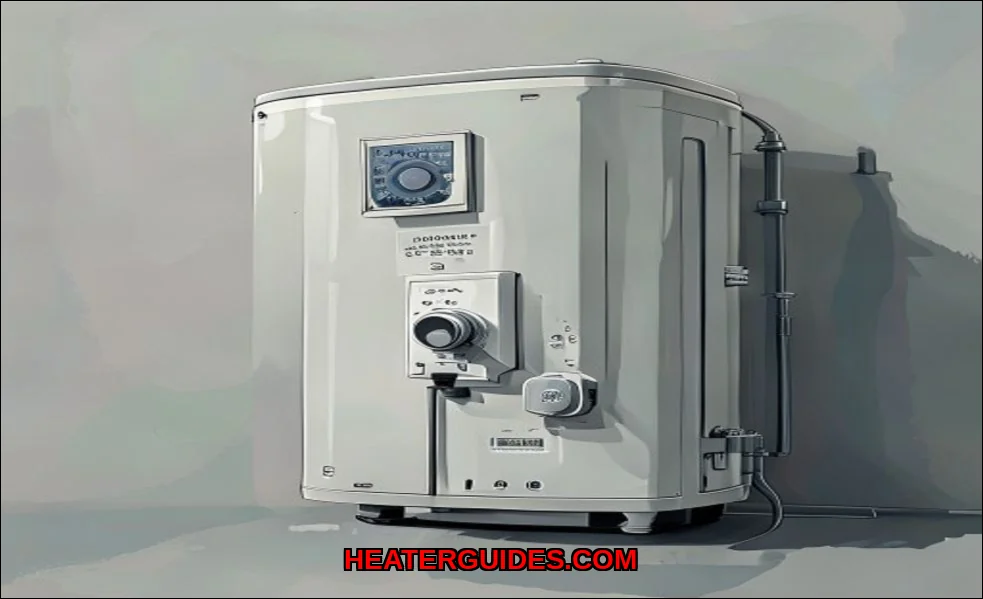
Common Symptoms and Their Likely Causes
Let’s break down the most frequent “strange” behaviors. This symptom-based approach will help you narrow down the problem quickly.
Not Heating Properly or Temperature Fluctuations
You turn on the hot tap and get lukewarm water, or the temperature seems to change randomly. This is a classic sign of electric water heater problems. The culprits are often one of three things:
- Failed Heating Element: Most Bradford White electric models have two. If one fails, you’ll get reduced hot water capacity.
- Faulty Thermostat: This component regulates temperature. A malfunctioning thermostat can cause water that’s too hot, too cold, or inconsistent.
- Sediment Buildup: Over time, minerals settle at the tank’s bottom, insulating the lower heating element. This causes inefficiency and strange noises.
If you’re facing a situation where your Bradford White water heater is not getting hot enough, a failed lower element or a heavily sedimented tank are the prime suspects.
Making Strange Noises (Popping, Rumbling, Crackling)
Sounds from your water heater are almost always related to sediment. As water gets trapped under the mineral layer and boils, it creates popping or rumbling sounds. A popping sound specifically points to this. In rare cases, a cracked dip tube (the pipe that sends cold water to the bottom) can cause noise and mixing issues.
Tripping the Circuit Breaker
This is a serious safety symptom. If your Bradford White electric water heater keeps tripping the breaker, it indicates a electrical fault.
- Short Circuit: A heating element could be degraded and shorting to ground.
- Overheating Element: Sediment can cause an element to overheat and draw excessive current.
- Faulty Wiring: Connections at the thermostat or element can loosen or corrode.
Never simply reset a repeatedly tripping breaker. This is a fire hazard and requires professional diagnosis.
Leaking Water
Location is key. Water from the top could be from loose inlet/outlet connections or the temperature and pressure relief valve (TPR valve) discharging. A leak from the bottom might be a sign of a failing tanka terminal issue. Always check if the leak is coming from the TPR valve’s discharge pipe first; it may just be relieving excess pressure.
Error Codes (On Advanced Models)
Some newer Bradford White electric heaters have diagnostic LEDs. Blinking patterns correspond to specific faults like a tripped high limit switch or sensor failure. Consult your unit’s manual for the exact code meaningthis is a direct message from the appliance about what’s wrong.
Step-by-Step Basic Troubleshooting You Can Do
Before you call for help, you can safely perform a few checks. Always confirm power is OFF at the breaker panel.
- Reset the System: Learn how to reset Bradford White electric water heater units. Often, this involves turning off the breaker for 30 seconds, then back on. Some models have a red reset button (the high limit) behind the upper thermostat access panel.
- Check the Breaker: Ensure the dedicated double-pole breaker in your main panel is fully in the “ON” position.
- Inspect the Thermostat Settings: Verify both upper and lower thermostats are set to the same temperature, typically 120F.
- Test the TPR Valve: Lift the valve’s test lever briefly. You should hear a rush of water or air into the discharge pipe. If it continues to drip, the valve may need replacement.
When to Use a Multimeter for Diagnosis
This is a key missing entity many guides overlook. A multimeter allows you to test for continuity in heating elements and thermostats. For example, you can disconnect the wires from an element, set the multimeter to ohms (), and test across the element’s terminals. A reading in the range of 10-16 ohms is usually good. An infinite reading (OL) means the element is dead. Checking for continuity is a definitive way to rule out element failure before considering a replacement.
When to Stop DIY and Call a Professional
Knowing your limits is critical. Call a licensed plumber or electrician for:
- Any confirmed electrical issue (tripping breaker, burnt wiring).
- Replacing heating elements or thermostats if you’re uncomfortable with high-voltage work.
- A leaking tank (this usually means replacement).
- If basic troubleshooting doesn’t resolve the issue.
Consider your warranty. While Bradford White warranties the tank, the warranty often requires installation and certain repairs by a licensed professional. DIY work on internal components can void coverage. For comprehensive, model-specific guidance, an excellent external resource is Repair Clinic’s detailed Bradford White troubleshooting library.
Preventative Maintenance to Avoid Future Issues
Most “strange” behavior is preventable. A simple routine extends your heater’s life dramatically.
The Annual Flush
This is the single most important task. Draining a few gallons from the tank to remove sediment prevents noise, inefficiency, and element damage. Connect a hose to the drain valve, run it to a floor drain or outside, and open the valve until the water runs clear.
Key Components to Monitor
| Component | Purpose | Maintenance Action |
|---|---|---|
| Anode Rod | Sacrificially corrodes to protect tank lining | Inspect every 3-5 years; replace if more than 50% depleted |
| Pressure Relief Valve (TPR) | Prevents tank explosion from over-pressure | Test manually every 6 months; replace every 5 years |
| Thermal Expansion Tank | Absorbs increased water pressure from heating | Check air pressure annually; match to house water pressure |
Installing a thermal expansion tank is crucial if you have a closed plumbing system with a check valve or pressure regulator. It protects your water heater’s pressure relief valve from constant, premature wear.
Considering Your Options
If your Bradford White electric unit is aging and repairs are becoming frequent, it may be time to consider a replacement. Different models suit different needs. For instance, if you’re comparing brands, our analysis of Bradford White vs. Rheem water heaters can help you weigh reliability and features. Alternatively, for homes that use gas, a high-efficiency Bradford White gas water heater might be a more suitable and cost-effective option depending on your local utility costs.
A water heater acting up is a call to action, not a reason for panic. Start with safe, basic observations and troubleshooting. Match the symptombe it noise, lack of heat, or a tripped breakerto the common causes outlined here. Invest in simple preventative maintenance; it pays back in reliability and longevity. For complex electrical faults, persistent leaks, or if you’re ever unsure, calling a professional is the smartest move. It protects your home, your appliance, and your peace of mind.

I am a mechanical engineer and love doing research on different home and outdoor heating options. When I am not working, I love spending time with my family and friends. I also enjoy blogging about my findings and helping others to find the best heating options for their needs.
Related guides

Green Expert Handy Utility Pump 1/6HP review
Looking for a reliable utility pump? Check out our Green Expert Handy Utility Pump 1/6HP review and find…
Transform Your Pool Experience with These 5 Must-Have Heaters
Struggling with cold water? Our top-rated heaters warm it up in minutes! The Immersion Water Heater is perfect…
Top 5 Water Heater Thermostats That Will Transform Your Comfort
Cheap thermostats underperform—but Reliance Water Heater Natural Gas Control Valve delivers precision. Choosing the right water heater thermostat…
