Fixing a Bradford White Water Heater Check Valve
On this page 5 sections
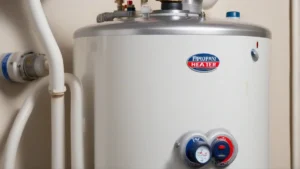
You’ve noticed something off with your Bradford White water heater. Perhaps there’s a small leak, an unusual noise, or the hot water pressure seems inconsistent. It’s natural to feel a bit concerned when your home’s essential systems show signs of trouble. Often, the source of these symptoms can be traced back to a small but critical component: the check valve.
This article will guide you through everything you need to know about the Bradford White check valve issue. We’ll cover what it does, how to identify problems, and the practical steps you can take to resolve them. The goal is to provide clear, actionable information so you can approach the situation with confidence. For many repair or replacement projects, having the right part is key. Many professionals recommend using the Check price on Amazon check valve, a compatible and reliable part for many Bradford White models.
What is a Bradford White Check Valve and Why It Matters

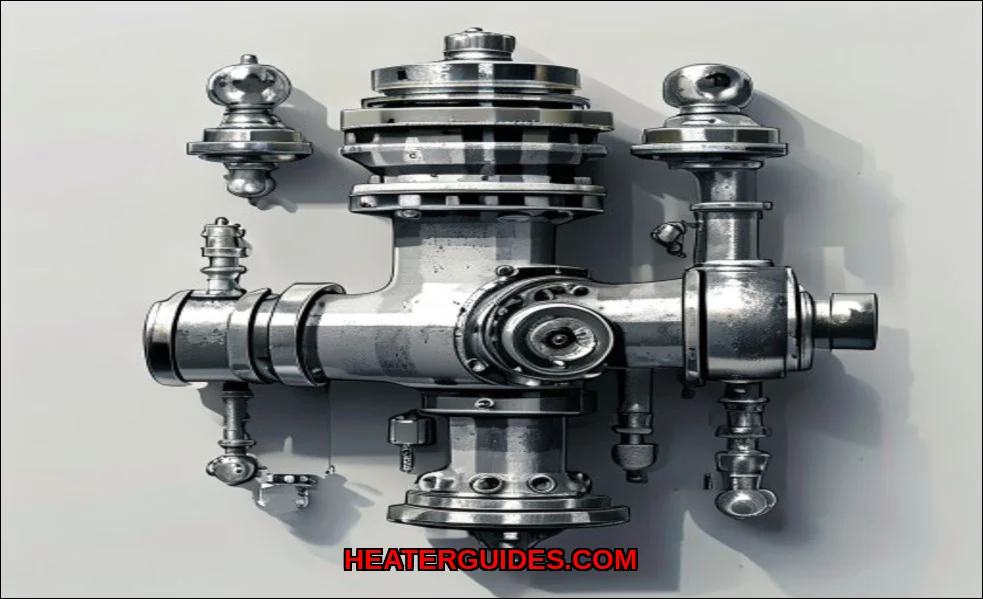
Think of the check valve as a one-way gate for water. Its primary job is Backflow Prevention. It allows cold water to flow into the water heater tank but prevents hot water from flowing backward into the cold water supply line. This is a fundamental safety and efficiency feature.
In modern plumbing systems, especially closed systems where a backflow preventer or pressure-reducing valve is installed, the check valve works in tandem with another critical component: the Thermal Expansion Tank. As water heats up, it expands. With nowhere to go in a closed system, this increased pressure needs a safe release. The thermal expansion tank absorbs this extra volume, protecting your entire plumbing system.
When the check valve fails, it can disrupt this delicate balance. It may allow pressure to build up improperly or fail to maintain correct water direction. This is why understanding its role is the first step in effective evaluating Bradford White water heater reliability and performance.
The Relationship with the T&P Valve
You’ll often hear about the T&P Valve (Temperature and Pressure Relief Valve) in the same conversation as the check valve. They are related but serve different purposes. The T&P valve is the emergency safety device. If temperature or pressure inside the tank gets dangerously high, the T&P valve opens to discharge water and prevent a tank rupture.
A failing check valve can cause repeated, minor pressure spikes. This might lead to the T&P valve dripping or leaking as it performs its safety functiona clear sign that the root cause needs investigation. Its not just about the valve itself; its about the systems health.
Common Symptoms of a Failing Check Valve
How do you know if your check valve is the culprit? The signs are usually clear if you know what to look for. Here are the most frequent indicators:
- Water Heater Leaking: A small, persistent drip from the T&P valve discharge pipe or around the cold water inlet connection can signal excessive pressure from a stuck check valve.
- Water Heater Noise: Popping, knocking, or rumbling sounds often come from sediment buildup, but pressure fluctuations from a faulty valve can contribute. This is a key symptom behind searches like “Bradford White water heater making popping noise check valve”.
- Reduced Hot Water Flow: If the valve is stuck partially closed, it can restrict the flow of cold water into the tank, leading to a weaker hot water stream from your faucets.
- No Hot Water: In severe cases, a completely blocked valve can stop cold water from entering the tank altogether, leading to a depletion of hot water.
- Continuous Running of the Pressure Relief Valve: If your T&P valve is dripping or streaming water regularly, it’s often reacting to high pressure caused by a malfunctioning check valve in a closed system.
Step-by-Step Guide to Diagnosing the Issue
Before you decide on repair or replacement, a simple diagnosis can confirm your suspicions. This process requires patience and attention to safety. Always turn off the power (for electric) or gas supply (for gas water heaters) and the cold water inlet valve before beginning.
How to Test a Bradford White Water Heater Check Valve
- Shut Down and Cool: Turn off the energy source and the cold water supply valve. Allow the water in the tank to cool for several hours.
- Relieve Pressure: Carefully lift the test lever on the T&P valve for a few seconds to discharge any pressure. Have a bucket ready.
- Disconnect the Inlet: Using two wrenches (one to hold the valve body), disconnect the cold water supply line from the check valve at the water heater’s inlet.
- Perform the Test: With the supply line disconnected, briefly turn the cold water supply valve back on. Water should flow freely from the open pipe. Now, try to blow air back through the check valve (from the water heater side toward the supply pipe). You should feel strong resistance. If air or water passes through easily in the reverse direction, the check valve has failed.
- Check for Debris: Inspect the valve screen or interior for mineral deposits or debris that could be causing it to stick.
If you’re uncomfortable with these steps, consulting a detailed resource like this external guide on Bradford White water heater troubleshooting can be very helpful.
 Water Heater Owner's ToolkitFix the common faults yourself, keep it running for years, and know when a repair is money wasted.No-hot-water flowcharts, gas and electricFlush, anode, relief valve and descaling stepsRepair-or-replace calculator (Excel)
How to Repair or Replace the Check Valve
Once you’ve confirmed a faulty valve, you have two paths: cleaning/repair or full replacement. Often, replacement is the more reliable long-term solution, especially for valves that have succumbed to corrosion or wear.
Repair vs. Replacement Considerations
Minor issues like a small piece of debris can sometimes be cleaned. However, given the valve’s critical role and relatively low cost, replacement is generally advised. The Bradford White check valve replacement cost is typically modest, especially if you handle it yourself. The part itself is often under $50, while a professional plumber might charge for an hour of labor plus the part.
It’s helpful to know your specific part number. Common Bradford White check valve part numbers include 210-44240-00. Always verify the correct part for your model, which is usually listed on the unit’s rating plate. This is a key detail often missing from general guides.
Replacement Procedure
- Gather Tools & Parts: You’ll need pipe wrenches, Teflon tape or pipe thread sealant, a bucket, and the new valve (like the Check price on Amazon).
- Drain the Tank (Partial): Connect a hose to the drain valve and run it to a floor drain. Open the valve and drain about 2-3 gallons to lower the water level below the inlet connections.
- Remove the Old Valve: Use two wrenches to unscrew the old check valve from the cold water inlet nipple on the tank and from the supply line.
- Install the New Valve: Apply pipe sealant or Teflon tape to the male threads. Screw the new valve onto the tank’s inlet nipple first, tightening it firmly but carefullyovertightening can damage the tank’s internal fitting. Typical torque specifications are in the range of 30-40 ft-lbs, but hand-tight plus a quarter to a half turn with a wrench is often sufficient for a good seal.
- Reconnect and Restore: Reconnect the cold water supply line to the new valve. Close the drain valve, turn the cold water supply back on, and open a hot water faucet in the house to bleed air from the system. Check all connections for leaks before restoring power or gas.
Remember, local plumbing codes may have specific requirements for check valve installation and the mandatory use of an expansion tank. It’s always wise to check.
Preventive Maintenance to Avoid Future Problems
A proactive approach can prevent most check valve issues and extend the life of your entire water heater system, whether it’s a Gas Water Heater or an Electric Water Heater.
Key Maintenance Tasks
- Annual T&P Valve Test: Lift the valve’s test lever briefly each year to ensure it operates freely and returns to seat properly. This also helps prevent mineral buildup in the valve.
- Thermal Expansion Tank Inspection: If you have one, check its air pressure annually using a tire gauge. It should match your home’s water pressure (usually 50-60 PSI) when the water system is depressurized.
- Sediment Flushing: Regularly drain a few gallons from the tank to remove sediment that can cause noise and affect valve operation.
- Monitor Water Pressure: Consistently high home water pressure (above 80 PSI) stresses all valves and fittings. A pressure-reducing valve may be necessary.
Understanding these maintenance interrelationships is part of comparing Bradford White to other major brands like Rheem. It highlights how system design influences long-term reliability.
When to Call a Professional
DIY Repair is feasible for many homeowners with basic skills. However, call a licensed Plumber if:
- You are unsure about any step in the process.
- The fittings are corroded and difficult to loosen.
- You discover additional issues, like a leaking tank or a faulty T&P valve that won’t reseat.
- You need to install or service a thermal expansion tank to meet code.
There’s no shame in seeking expert help. It ensures the job is done safely and correctly, protecting your home and your appliance investment.
A problematic Bradford White check valve is a common and very fixable issue. By recognizing the symptomslike a leaking T&P valve or unusual noisesyou can address the problem early. The solution typically involves straightforward testing and replacement, often with a compatible part like the Check price on Amazon. Remember that this small valve plays a big role in your system’s safety and efficiency, working alongside the expansion tank and pressure relief valve. Regular, simple maintenance is your best defense against future interruptions, ensuring you have reliable hot water when you need it.