

You pull the tortillas from the fridge, toss them in a dry skillet, and within thirty seconds they’re stiff, cracked, and useless for folding. We’ve all been there. The problem isn’t your tortillas — it’s the method. Corn tortillas behave differently from flour ones, and most people treat them the same way. That’s a mistake.
This guide walks through the best way to heat up corn tortillas in 2026, covering the science behind each technique, the exact timing, and the trade-offs. You’ll learn how to get pliable, charred, or ultra-soft tortillas depending on what you’re cooking. No vague advice — just numbers, temperatures, and steps you can use tonight.

Imusa
IMUSA 8 Inch Tortilla Warmer Microwave Safe,…
- SIZE: This tortilla warmer features an eight inch diameter that accommodates large stacks of tortillas, arepas, and flatbreads, ke…
- DURABLE PLASTIC TERRACOTTA DESIGN: This terracotta tortilla holder is crafted from durable plastic with an authentic terracotta co…
- EVEN WARMING: This tortilla container is microwave-safe without the lid for easy reheating, ensuring even warming and excellent he…
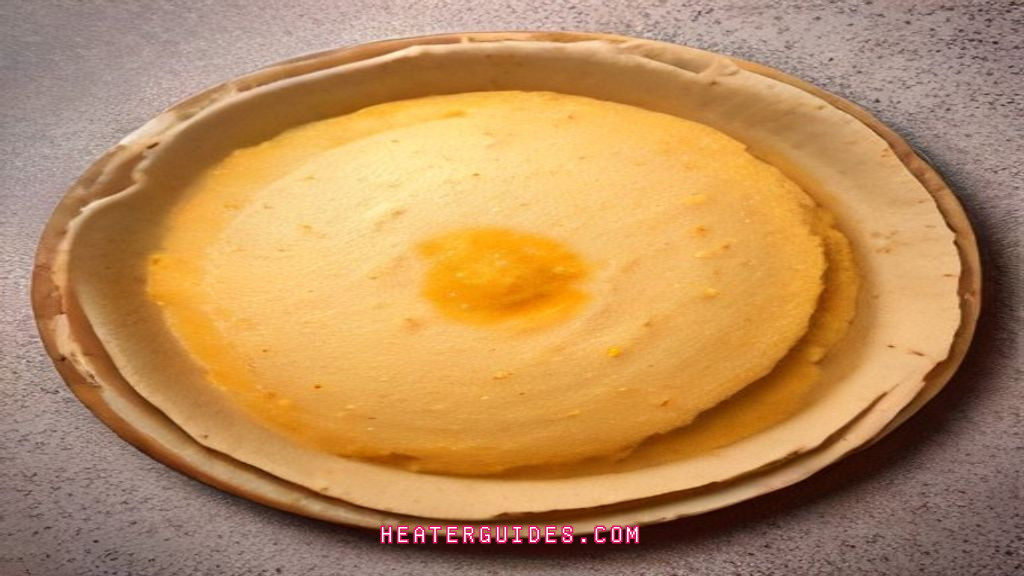
For quick reheating, a microwave-safe tortilla warmer like the IMUSA 8 Inch Tortilla Warmer holds a stack and keeps them soft for serving. It’s a practical tool for weeknights, though it won’t give you char. Use it after reading the sections below to match the tool to the task.
Why Method Matters: The Science of Corn Tortilla Texture

Corn tortillas are made from nixtamalized masa, which means the starch granules are already partially gelatinized during cooking. When you reheat a corn tortilla, you’re not cooking raw dough — you’re managing moisture and starch retrogradation. Retrogradation is the process where cooked starch molecules recrystallize over time, making tortillas stiff and brittle. Heat reverses this, but only if moisture is present.
Dry heat (a hot comal or skillet) drives off surface moisture quickly. If you leave a tortilla on too long, the interior loses water and the starch sets into a rigid network. That’s the crack. Moist heat (steam or a damp towel) rehydrates the starch, allowing the amorphous regions to flex again. The result is soft and bendable.
The ideal internal temperature for a warm corn tortilla is around 140–160°F (60–71°C). Below that, the fat and starch remain stiff. Above that, you risk drying out the edges. So the best way to heat up corn tortillas is a balance: apply enough heat to reach that range without pulling out too much moisture.
One more variable: the type of corn. Nixtamalized varieties like white or yellow corn have different starch profiles than sweet corn or gluten-free blends. Blue corn tortillas tend to dry out faster because they’re often made with less moisture. Keep that in mind — adjust your heating time down by 10–15 seconds for thin, artisanal tortillas.
The Comal (Cast Iron Skillet) Method: The Gold Standard
A comal — a flat, round griddle — is the traditional tool for a reason. It gives you even heat, a dry surface, and the ability to char. A cast iron skillet works just as well if you don’t own a comal. The key is to preheat it properly.
- Place your comal or cast iron skillet over medium heat. Let it heat for 3–4 minutes until a drop of water dances and evaporates immediately. That’s roughly 350–400°F (175–205°C).
- Lay one tortilla flat on the hot surface. No oil — you want dry heat.
- Let it cook for 30–45 seconds. You’ll see small bubbles form and the edges start to curl slightly.
- Flip it with tongs. Cook the second side for another 30 seconds. The tortilla should puff slightly and develop light brown spots.
- Transfer to a towel-lined basket or a tortilla warmer to keep it pliable while you heat the rest.
How to get the perfect char without burning
Charring adds smoky flavor, but it’s a fine line. The double flip technique is the trick: after the first flip, wait 15 seconds, then flip again. This exposes both sides to the hot surface in short bursts, building up color without letting one side overcook. You want 10–15% of the surface darkened — not blackened.
If you’re heating a stack, don’t pile them directly on the comal. Heat them one at a time and stack them in a cloth napkin. The residual heat continues to soften them while the moisture from the towel keeps them flexible. A tortilla warmer with a terracotta insert works well here because it absorbs heat and releases it slowly.
For flour tortillas, the same method works but with a lower heat — medium-low — to avoid blistering too fast. Corn tortillas can take higher heat because they have less gluten to scorch.
The Open Flame Method: For Smoky, Charred Edges
Gas stoves offer a direct flame that produces a unique char — slightly smoky, with crispy edges that contrast with a soft center. This is the best way to heat up corn tortillas if you’re making tacos al pastor or any dish where char is the star.
- Turn the burner to medium-low. A high flame will torch the edges before the center warms.
- Place the tortilla directly on the grate, centered over the flame.
- Watch it closely. After 20–30 seconds, the edges will start to darken. Use tongs to flip it.
- Cook the second side for another 20 seconds. You want a few blackened spots, not a uniform burn.
- Wrap immediately in a clean kitchen towel to trap steam and soften the interior.
Safety and handling tips for gas stoves
Keep a pair of long tongs nearby — your fingers will get too close to the flame if you use your hands. Also, never leave the tortilla unattended. Corn tortillas have a low oil content and can catch fire if left too long. If you see flames, remove it immediately and lower the heat.
One more tip: place the tortilla slightly off-center over the flame. That way, the center gets more heat than the edges, which prevents the edges from drying out before the middle is warm.
The Oven Method: Best for Warming Large Batches
When you’re feeding a crowd — say, 20 tortillas for a taco bar — the comal is too slow. The oven is your friend. It heats evenly and can handle a full stack at once.
- Preheat your oven to 350°F (175°C).
- Wrap a stack of tortillas in aluminum foil, sealing the edges tightly. This traps steam.
- Place the foil packet directly on the oven rack. No need for a baking sheet.
- Heat for 10–15 minutes. The exact time depends on the thickness of the stack and how cold they were.
- Remove and let rest for 2 minutes before opening the foil. Careful — steam will escape.
The foil packet trick to lock in moisture
The foil packet method works because it creates a mini-steamer. The moisture from the tortillas themselves condenses on the foil and rehydrates the starch. If you’re reheating refrigerated tortillas, add a teaspoon of water to the packet before sealing. That extra humidity makes a noticeable difference.
For a party, you can keep the packet in a warm oven (200°F) for up to an hour without drying out. Just don’t exceed that — the tortillas will eventually steam themselves into mush.
The Microwave Method: Fast, But Use a Damp Towel
The microwave is the fastest option, but it’s also the easiest to mess up. Without moisture, microwaved tortillas turn rubbery and tough. The fix is simple: add water.
- Dampen a clean paper towel or kitchen towel until it’s wet but not dripping.
- Wrap the stack of tortillas in the towel.
- Microwave on high for 30–45 seconds for 4–6 tortillas. For a single tortilla, 15–20 seconds is enough.
- Let them sit in the microwave for 1 minute after the timer goes off. The residual heat continues to distribute.
The steam generated by the damp towel softens the starch, giving you pliable tortillas. The downside: no char. If you want crispy edges, you’ll need to follow up with a quick sear in a hot skillet for 10 seconds per side.
A microwave-safe tortilla warmer like the IMUSA one mentioned earlier works even better than a paper towel. The terracotta-style plastic absorbs microwave energy and distributes it evenly, reducing hot spots. Just remember to remove the lid before microwaving — the product instructions say it’s safe without the lid.
The Steamer Method: The Secret to Ultra-Soft Tortillas
Steaming is the best way to heat up corn tortillas when you need them extremely pliable — for enchiladas, tamales, or burritos where you’ll roll them without cracking. A bamboo steamer or a metal steamer basket works.
- Bring an inch of water to a boil in a pot that fits your steamer.
- Line the steamer basket with a clean kitchen towel or parchment paper. This prevents the tortillas from sticking.
- Place the tortillas in a single layer, or stack them with a piece of parchment between each one.
- Cover and steam for 2–3 minutes. The tortillas should be warm and slightly translucent.
- Remove immediately and use, or wrap in a towel to keep warm.
Steaming gives you the softest texture of any method, but it also makes the tortillas slightly wet. That’s fine for dishes where they’ll be sauced. For tacos, you might prefer the comal method for a bit of texture.
How to Revive Stale or Refrigerated Tortillas
Stale tortillas aren’t a lost cause. The trick is to reintroduce moisture before applying heat. If you skip this step, you’ll end up with crackers.
- Run each tortilla under cold water until lightly damp on both sides. Shake off excess.
- Heat a comal or skillet over medium heat.
- Place the damp tortilla on the hot surface. The water will sizzle and steam.
- Cook for 20–30 seconds per side, flipping once. The tortilla should puff up and become pliable.
This method works for tortillas that have been in the fridge for up to a week. For tortillas that are truly hard — more than a week old — consider making chilaquiles or migas instead. They won’t come back to life.
If you’re reheating a large batch of refrigerated tortillas, the oven foil packet method with an added teaspoon of water is your best bet. It takes 10 minutes but handles 20 tortillas at once.
Quick Comparison: Which Method Wins for Your Needs?
| Method | Time | Texture | Char? | Best For |
|---|---|---|---|---|
| Comal / Cast Iron | 1–2 min per tortilla | Soft with crisp edges | Yes | Tacos, quesadillas |
| Open Flame | 40–60 sec per tortilla | Charred edges, soft center | Heavy | Tacos al pastor, street-style |
| Oven (foil packet) | 10–15 min for a batch | Soft, moist | No | Parties, large batches |
| Microwave (damp towel) | 30–45 sec for a stack | Soft, pliable | No | Quick weeknight meals |
| Steamer | 2–3 min for a stack | Very soft, slightly wet | No | Enchiladas, tamales |
For most people, the comal is the best way to heat up corn tortillas for tacos because it balances speed, texture, and flavor. The microwave is the fastest, but you sacrifice char. The oven is the workhorse for feeding a crowd. Choose based on what you’re cooking, not just what’s fastest.
Frequently Asked Questions
Can I reheat tortillas in an air fryer?
Yes, but it’s not ideal. Air fryers circulate dry heat, which can dry out corn tortillas quickly. If you use one, set it to 350°F (175°C) and heat for 2–3 minutes, flipping halfway. Spray the tortillas lightly with water first to add moisture. The result is crispy edges with a chewy center — closer to a tostada than a soft tortilla. It works in a pinch, but the comal or microwave gives better texture.
How long do warmed tortillas stay pliable?
It depends on the method and how you store them. Tortillas heated on a comal and placed in a towel-lined basket stay pliable for about 15–20 minutes. In a tortilla warmer with a lid, they can last up to 30 minutes. Microwaved tortillas tend to stiffen faster — within 10 minutes — because they lose moisture quickly once exposed to air. The oven foil packet keeps them soft for up to an hour if you leave them sealed.
Should I use oil or butter when heating corn tortillas?
No, not for basic reheating. Corn tortillas already contain some fat, and adding oil makes them greasy and changes the texture. The only time you might use oil is if you’re making crispy tacos or tostadas, where you want a fried texture. For soft tacos, dry heat is better. If you’re using a comal, the tortilla will release easily when it’s ready to flip — no oil needed.
What’s the difference between heating corn and flour tortillas?
Flour tortillas have more gluten and fat, so they dry out less and can handle higher heat for longer without cracking. Corn tortillas have less gluten, so they stiffen quickly when overheated. The best way to heat corn tortillas is with a shorter cooking time and a higher moisture environment. For flour, you can use the same methods but extend the time by 50% without worrying as much about brittleness.
Can I reheat tortillas straight from the freezer?
Yes, but you need to thaw them first. Frozen tortillas have ice crystals that create steam when heated, which can make them gummy if you don’t manage it. The best approach: remove the stack from the freezer, separate the tortillas while still frozen, and let them sit at room temperature for 10 minutes. Then use the comal or microwave method. For a large batch, the oven foil packet works well — just add an extra 5 minutes to the heating time.
Three Common Mistakes and How to Avoid Them
Mistake 1: Overheating on high heat. High heat dries out the surface before the interior warms. You end up with a tortilla that’s stiff on the edges and cold in the middle. Use medium heat and give the pan time to preheat.
Mistake 2: Stacking hot tortillas without a towel. If you pile them on a plate, the steam condenses and makes the bottom ones soggy. Always wrap them in a clean kitchen towel or place them in a tortilla warmer with a lid. The towel absorbs excess moisture while keeping the heat in.
Mistake 3: Skipping the damp towel in the microwave. Dry microwaving turns corn tortillas into rubbery discs. The damp towel is non-negotiable. If you’re in a hurry and don’t have a towel, sprinkle a few drops of water directly on the tortillas before microwaving.
For a deeper look at reheating other foods, check out this corned beef reheating guide — it covers similar moisture-management principles. And if you’re planning a taco night, this taco tortilla guide offers specific timing for that exact scenario.

HeaterGuides covers home heating, water heating and HVAC: how the equipment works, what it costs to run, and how to use it safely.
