
The best way to heat a Honey Baked Ham is to wrap it in foil and warm it in a preheated oven at 275°F for about 10-15 minutes per pound.
Reheat at 275°F, covered with foil, 10 min per pound. Baste occasionally.
Nothing ruins a holiday meal faster than a dry, overcooked ham. You want that juicy, flavorful centerpiece—but reheating it wrong can turn your prized Honey Baked Ham into a tough, glazed disappointment. The right reheating method can preserve moisture, enhance flavor, and save your feast. In this guide, we’ll cover the top techniques, from oven mastery to slow-cooker tricks. For more heating tips, check our guide on maintaining kitchen appliances.
Key Takeaways
- Low-and-slow oven heating (275°F) prevents drying.
- Always cover ham with foil or use its original wrapper.
- Basting with juices or broth boosts moisture.
- Internal temperature should reach 120-135°F for safety.
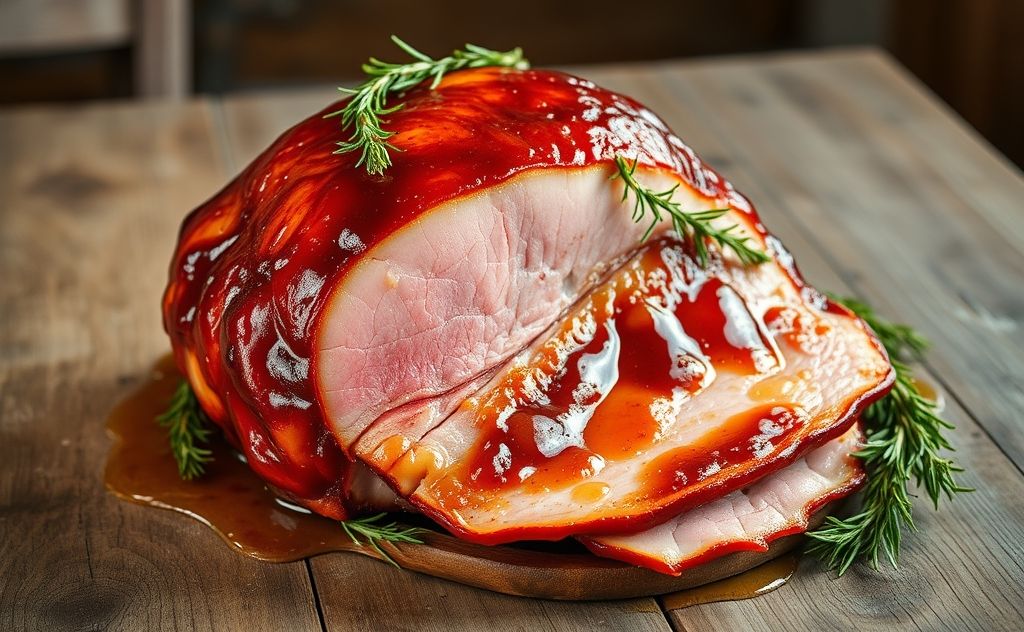
1. Oven Reheating (Best for Whole Hams)
The oven is the gold standard for reheating a whole Honey Baked Ham. Preheat to 275°F, wrap the ham tightly in foil (or keep its original wrapper), and place it on a rack in a roasting pan. Heat for 10 minutes per pound, basting every 30 minutes with pan drippings or apple juice. Use a meat thermometer to ensure the internal temperature hits 120-135°F—this keeps it safe without overcooking. For larger hams, rotate the pan halfway through for even heating.
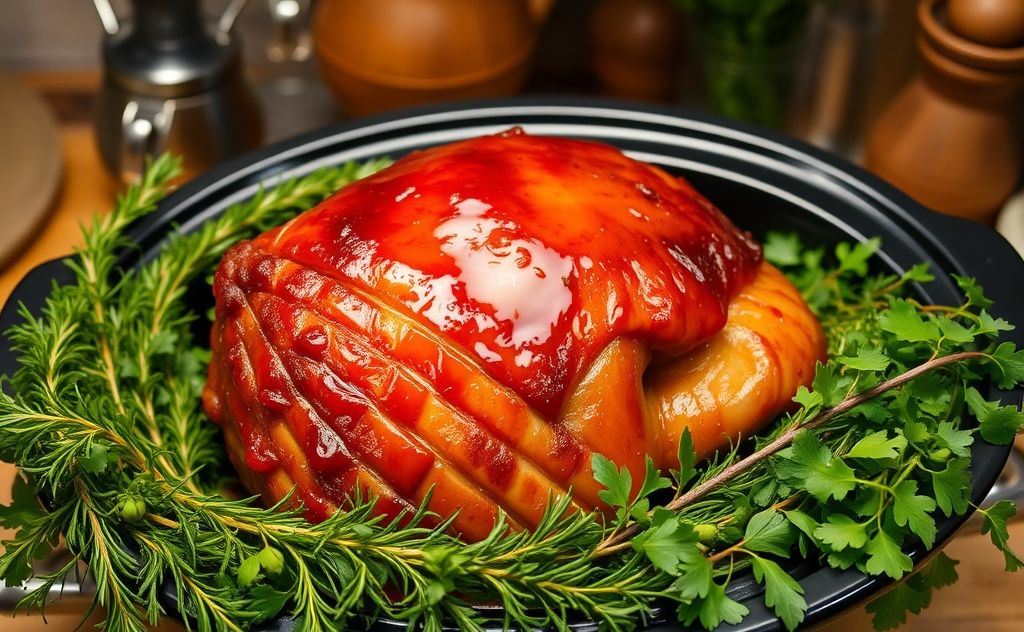
2. Slow Cooker (Ideal for Moisture Retention)
Perfect for busy hosts, a slow cooker keeps ham succulent with minimal effort. Add 1 cup of broth or pineapple juice to the cooker, then place the ham inside (whole or sliced). Cover and cook on low for 2-3 hours. For extra flavor, add cloves, brown sugar, or citrus slices. This method is also great for maintaining consistent heat without drying.
3. Skillet Heating (Quick Sliced Servings)
Need a fast fix for leftovers? Heat slices in a skillet over low-medium heat with a splash of water or broth. Cover with a lid to trap steam, flipping once until warmed through (~3 minutes per side). For caramelized edges, add a teaspoon of honey or mustard glaze at the end.
4. Microwave (Last-Minute Option)
While not ideal, microwaving works in a pinch. Place slices on a microwave-safe dish, cover with a damp paper towel, and heat in 15-second bursts to avoid rubberiness. Stirring halfway helps distribute heat evenly.
5. Sous Vide (Precision Heating)
For tech-savvy cooks, sous vide guarantees perfection. Seal the ham (or slices) in a bag with butter or broth, then immerse in a 140°F water bath for 1-2 hours. This method locks in moisture but requires planning ahead.
6. Grill (Smoky Flavor Boost)
Impress guests with a lightly charred finish. Wrap the ham in foil and grill over indirect heat at 275°F, turning occasionally. Unwrap for the last 10 minutes to crisp the glaze.
7. Steam Reheating (Gentle Approach)
Place ham in a steamer basket over simmering water, cover, and steam for 5-8 minutes per pound. Ideal for preserving the original glaze texture.
Comparison Table: Honey Baked Ham Reheating Methods
| Method | Temperature | Time | Best For |
|---|---|---|---|
| Oven | 275°F | 10 min/lb | Whole hams |
| Slow Cooker | Low | 2-3 hrs | Moisture retention |
| Skillet | Medium | 3 min/side | Sliced leftovers |
Final Tips
Whether you’re serving a crowd or just craving leftovers, these methods ensure your Honey Baked Ham stays tender and flavorful. For more expert tips, explore Food Network or Serious Eats. Remember: low heat, ample moisture, and patience are the keys to ham perfection!
