
Waking up to a cold waterbed is a uniquely unpleasant experience. It defeats the entire purpose of the bed’s soothing, womb-like comfort. That’s why your waterbed heating system is arguably its most critical componentit’s not just about warmth, it’s about maintaining the therapeutic environment you paid for.
Choosing the right heater isn’t as simple as grabbing the first pad you see. You need to match it to your bed type, size, and even your local climate. This guide cuts through the confusion. We’ll compare heater types, break down key features like wattage and thermostat control, and show you how to install one safely. For those seeking a modern solution, many users upgrading their setup are turning to the Smart Waterbed Heater for its precise digital controls and energy monitoring features.
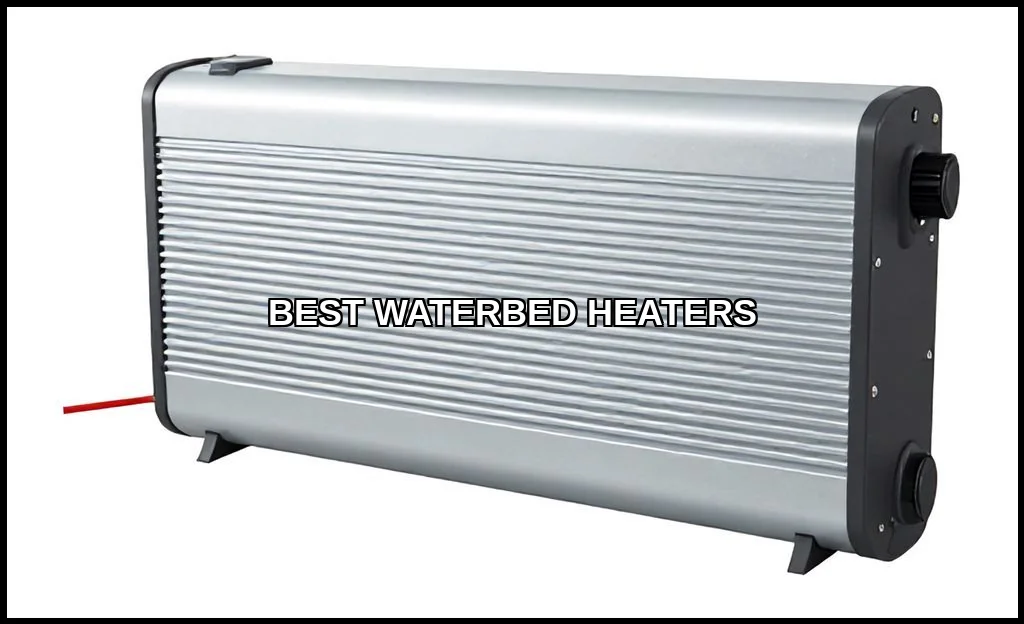
Types of Waterbed Heaters: Pads, Tubes, and Systems
Not all waterbed heaters are created equal. The right type depends on whether you have a hard-sided or soft-sided (hardside or softside) mattress. Using the wrong one can be inefficient or even unsafe.
Hard-Sided Waterbed Heaters
These are the classic, rectangular beds with a wooden frame. Their heating needs are specific. A hard-sided waterbed heater is typically a large, rigid pad placed directly under the vinyl mattress liner. It provides even heat distribution across the entire mattress surface. Because the bed is fully enclosed, these systems often require higher wattage to maintain temperature.
Soft-Sided Waterbed Heaters
Soft-sided beds look like traditional mattresses but have a water-filled bladder inside. A soft-sided waterbed heater is usually a flexible pad or a series of tubes that wrap around the water bladder. They are designed to conform without creating pressure points. Installation is different, so always check compatibility. This is a common scenario for a waterbed heating pad replacement.
Heater Pads vs. Heating Tubes
Pads are the most common. They’re flat, flexible sheets that provide broad, consistent heat. Heating tubes are long, cylindrical elements often used in soft-sided beds or as supplementary heat. Some advanced waterbed heating systems use a combination for ultimate temperature uniformity. Your choice here directly answers “how to heat a waterbed” most effectively for your specific model.
Key Features to Compare: Wattage, Thermostats, and Safety
Once you know the type, you need to scrutinize the specs. This is where you separate a reliable heater from a problematic one.
Wattage and Energy Use
Wattage determines heating power. A common question is, “are waterbed heaters expensive to run?” It starts here. Larger beds and colder rooms need more watts. An undersized heater will run constantly, spiking your bill. A general rule: 400-450 watts for queen, 300-350 for full. Check the manufacturer’s recommendation for your climate. It’s the first step in waterbed heater safety and efficiency.
Thermostat and Control
The thermostat is your comfort commander. Basic models have a dial. Modern ones offer digital waterbed temperature control with memory settings. A dual thermostat heater is gold for king-size beds, allowing you to set two different temperatures for each side. No more thermostat wars with your partner.
Safety Mechanisms
Never compromise here. A proper waterbed mattress heater must have a certified safety shut-off. This feature cuts power if the unit overheats. Look for ETL or UL certification. It’s non-negotiable. For broader home heating safety tips, our guide on the best ventless heaters covers important ground.
How to Choose the Right Heater for Your Bed Size & Type
Let’s get practical. Your mission is to match a heater to your exact setup. Start by answering this: “what size heater do I need for my waterbed?”
- Measure Your Mattress: Get the exact dimensions. Don’t guess.
- Identify Your Bed Type: Hardside or softside? This dictates the heater form factor.
- Assess Your Climate: Living in a basement in Minnesota? You’ll need more power than someone in Arizona. For those in chilly areas, finding the best waterbed heater for cold climates means prioritizing max wattage and a robust thermostat.
- Check Your Frame: Some modern bed frames have specific clearance requirements for heaters.
If you’re replacing an old unit, the model number on the old replacement waterbed heater is your best starting point for compatibility.
Step-by-Step Installation and Maintenance Guide
Installing a new heater is straightforward if you follow instructions. Heres a universal overview of how to replace a waterbed heater.
Installation Process
- Unplug Everything & Drain: Safety first. Unplug the old heater. For a full replacement, you may need to partially drain the mattress.
- Remove the Old Heater: Carefully extract the old pad or tubes from under the liner.
- Position the New Heater: Lay it flat according to the manual. No folds or bunches. For hard-sided beds, center it. For soft-sided, follow the wrap-around diagram.
- Secure and Reassemble: Some pads have adhesive strips. Ensure nothing is pinched.
- Plug In and Test: Only plug into a dedicated outlet. Set the thermostat and allow 24-48 hours for the water to fully warm.
Ongoing Maintenance
Maintenance is simple but vital. Every few months, lift the mattress corner to ensure the pad is lying flat. Feel for hot spots (a sign of folding). Vacuum around the bed frame to prevent dust buildup on the unit. Listen for any unusual clicks from the thermostat. This proactive care extends the life of your waterbed heating system immensely.
Top Brand Recommendations and Product Reviews
The market has a few standout names known for reliability. While we can’t test every model, consistent user feedback points to these leaders.
| Brand/Feature | Best For | Key Notes |
|---|---|---|
| Classic Brands | Hard-sided bed replacements | Known for durable pads with reliable analog thermostats. A go-to for a straightforward waterbed heater pad. |
| Sunbeam | Safety & Innovation | Often leads with advanced safety shut-off features and digital controls. Their warranty is usually strong. |
| Smart/Digital Models | Tech-savvy users, energy monitors | Products like the mentioned Smart Waterbed Heater offer app-like control and usage tracking, answering “are waterbed heaters expensive to run” with data. |
Remember, the “best” heater is the one that fits your specific bed. Always cross-reference brand specs with your mattress manufacturer’s guidelines. For a deep dive into mattress quality itself, this authority guide from the Sleep Foundation is an excellent official source.
Your waterbed heater is a long-term investment in comfort. It requires matching the type to your bed, understanding the role of wattage, insisting on a good thermostat and safety shut-off, and following a clean installation. Whether you’re doing a simple waterbed heating pad replacement or upgrading your entire waterbed heating system, taking the time to choose correctly pays off every night. For other heating solutions around the home, our review of the best space heaters offers great value options. Stay warm.
