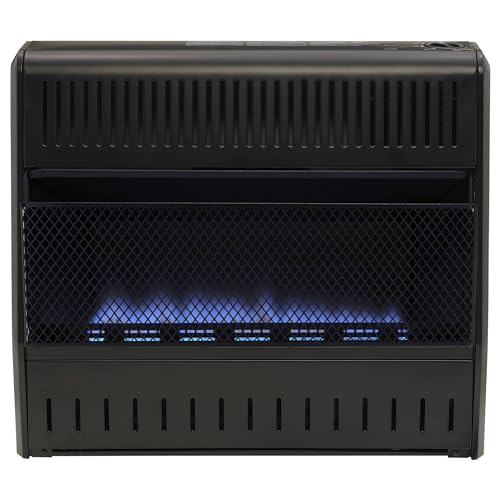
Say your garage is 24 by 24 feet and uninsulated, roughly 576 square feet. You want a ventless heater that heats efficiently without the hassle of venting ducts, with safety features to prevent oxygen depletion and moisture buildup.
Ventless garage heaters run on natural gas or propane and produce heat without a chimney or vent pipe. They are popular for their easy installation and high efficiency but come with moisture and safety considerations you need to know before buying.
Ventless Garage Heater Comparison
| Model | Best for | Heat Output (BTU) | Fuel Type | Thermostat Control | Safety Features | Price |
|---|---|---|---|---|---|---|
| Duluth Forge Dual Fuel Ventless Gas Stove FDSR25 | Best For Most | 26,000 | Natural Gas or Liquid Propane | Remote Control | Oxygen Depletion Sensor (ODS), Piezo ignition | See it on Amazon |
| ProCom Liquid Propane Ventless Infrared Plaque Heater ML250TPA-B | Infrared Choice | 25,000 | Liquid Propane | Manual High/Medium/Low | Oxygen Depletion Sensor (ODS), Push button ignition | See it on Amazon |
| Comfort Glow Natural Gas Infrared Vent Free Wall Heater KWN521 | Wall Mounted | 30,000 | Natural Gas | Manual | Oxygen Depletion Sensor (ODS), Pilot safety watch | See it on Amazon |
| ProCom Liquid Propane Ventless Ice House Heater ML100TBAHR | Compact Heater | 10,000 | Liquid Propane | Thermostat control | Oxygen Depletion Sensor (ODS), Push button ignition | See it on Amazon |
| Generic Wall Mounted Ductless Fan Heater Pump System 3-in-1 | Multi-Function | — | Electric | Remote Timer | Overheating protection, water resistance | See it on Amazon |
Top Ventless Garage Heaters for Different Needs
Duluth Forge Dual Fuel Ventless Gas Stove FDSR25
ProCom Liquid Propane Ventless Infrared Plaque Heater ML250TPA-B
Comfort Glow Natural Gas Infrared Vent Free Wall Heater KWN521
ProCom Liquid Propane Ventless Ice House Heater ML100TBAHR
Generic Wall Mounted Ductless Fan Heater Pump System 3-in-1
How Ventless Garage Heaters Work and What Safety Means
Ventless garage heaters burn propane or natural gas directly in the garage, heating air without venting combustion gases outside. This means the byproducts, including moisture, stay inside, which can raise humidity and cause condensation on walls, tools, or stored items.
Because these heaters consume oxygen during combustion, they include an Oxygen Depletion Sensor (ODS) that shuts the unit off if oxygen levels drop too low. This safety device is critical to prevent hazardous conditions. Models with thermostats let you set and maintain a target temperature, usually via built-in or remote controls.
Older ventless heaters with standing pilot lights can produce small amounts of carbon monoxide if not well maintained. Modern models often use electronic ignition powered by batteries or minimal electricity, which is more efficient and safer because it eliminates a continuously burning pilot flame.
Choosing the Right Heat Output and Fuel for Your Garage
To size your ventless garage heater, match the BTU rating to your garage’s square footage. A rough rule is 20 to 30 BTU per square foot. For example, a 1,000 sq ft garage needs about 20,000 to 30,000 BTU.
Fuel choice depends on availability and cost. Natural gas is often cheaper and comes through existing lines, while propane is portable and useful where natural gas isn’t available. Dual fuel models, like the Duluth Forge Dual Fuel Ventless Gas Stove, switch between propane and natural gas, offering flexibility if your fuel source changes.
Consider mounting style too. Wall-mounted heaters save floor space and direct heat across the garage, while ceiling-mounted ones keep the unit out of the way but may require more power to heat effectively at floor level.
Ventless propane heaters are popular for garages without natural gas lines. They offer high heat output and portability but require regular propane tank refills. The best natural gas garage heaters come with thermostats and ODS for safe, efficient operation in permanently installed setups.
Choosing a heater with the right BTU output and fuel type ensures efficient heating without overspending on fuel or equipment. If you want more options, check out our detailed picks for the best natural gas garage heaters and vent free propane heaters.
Thermostats and Controls That Keep Your Garage Comfortable
Ventless gas heaters often come with thermostats that cycle the unit on and off to keep your garage at the set temperature. A thermostat senses the air temperature and signals the heater to maintain comfort without wasting fuel.
Many natural gas and propane ventless heaters include electronic ignition systems powered by batteries or electricity. This feature cuts or eliminates pilot light fuel use, saving money and reducing emissions compared to standing pilot models.
Remote thermostats add convenience by letting you adjust the temperature without going to the heater. Some models pair with wall-mounted thermostats or even smart controls for better precision and energy savings.
Advanced ventless heaters offer modulating heat levels instead of simple on/off cycles. This means the burner adjusts output continuously to maintain temperature, improving comfort and efficiency, especially in garages with varying heat loss.
Low temperature thermostat control options are available for cold climates or garages requiring frost protection. These thermostats maintain a minimum temperature to prevent freezing without running full heat constantly.
Managing Moisture and Odors from Ventless Heaters
Ventless heaters produce moisture as a normal part of combustion. The water vapor they create can condense on cold walls, tools, or stored items, causing rust, damage, or mildew over time.
Condensation risk rises in poorly ventilated garages or those with high humidity and low temperatures. The moisture buildup can ruin paint, warp wood, and make your garage feel clammy.
Adding ventilation or a dehumidifier helps reduce moisture accumulation. Even opening a door or window briefly while the heater runs can improve air exchange and prevent dampness.
Odors sometimes develop after prolonged ventless heater use. These smells usually come from incomplete combustion, dirty burners, or dust burning off. Proper maintenance and cleaning reduce these odors.
Running the heater with fresh air intake or occasional ventilation flushes odors out effectively. If odors persist, inspect the burner and pilot assembly or consult a technician.
Legal Restrictions and Alternatives to Ventless Garage Heaters
Ventless gas heaters are illegal in some states and provinces because they release combustion gases directly into the garage, raising safety and moisture concerns. Alberta, Canada, for example, bans ventless heaters indoors. Check your local building codes before buying or installing one.
If ventless heaters aren’t allowed or you want to avoid moisture buildup, consider vented gas heaters. These units have a sealed combustion chamber and exhaust flue, which vents gases outside. That prevents moisture and odors from accumulating in your garage air.
Power vented heaters, a type of vented gas heater, use a fan to push exhaust outdoors. They run cleaner and drier than ventless models, making them a safer choice for enclosed garages prone to dampness.
Electric garage heaters are another alternative. They require no fuel or combustion, so no gases or moisture enter the space. Infrared electric heaters warm objects and people directly, which can feel more comfortable in a drafty garage.
What To Do Next: Buy, Install, and Maintain Your Ventless Heater
Choose a ventless heater sized for your garage square footage and preferred fuel type—propane or natural gas. Oversizing wastes fuel and may cause excessive moisture; undersizing leaves you cold.
Look for models with an oxygen depletion sensor (ODS) to shut off the heater if oxygen levels drop. A built-in thermostat helps keep your garage steady at the temperature you want.
Installation should follow the manufacturer’s instructions precisely. Many ventless heaters require mounting on a wall or ceiling at specific clearances with proper gas connections. If you’re not confident working with gas lines and appliances, hire a licensed professional.
Many modern ventless heaters have electronic ignition systems powered by electricity or batteries. Some older or simpler models use a standing pilot light and don’t need external power. Know which you have because electricity is required for ignition and some safety features.
Questions People Ask
Are ventless garage heaters safe to use indoors?
How much moisture do ventless heaters add to the garage air?
Do ventless gas heaters need electricity to operate?
Are there legal restrictions on ventless heater use in garages?

I am a mechanical engineer and love doing research on different home and outdoor heating options. When I am not working, I love spending time with my family and friends. I also enjoy blogging about my findings and helping others to find the best heating options for their needs.
Related guides

Best Betta Fish Heater That Keeps My Fish Happy!
For betta fish enthusiasts, the best betta fish heater ensures optimal warmth without worry. The right heater is…
Stay Cozy & Save: The Best Energy Efficient Heaters!
Stay warm while saving money! Find the best energy-efficient heaters that maximize comfort and minimize your bills. Heat…
Cozy Up: The Best Outdoor Gas Heaters for Chill Nights!
Stay warm and cozy outdoors with the best gas heaters! Find your perfect match for chilly nights and…