The Rayzi 55 Inch Rocket Stove offers the best balance of warmth, burn time, and visual appeal for most pellet patio heater buyers seeking a smokeless flame and easy cleanup outdoors.
The essentials
Pellet patio heaters burn wood pellets cleanly, producing minimal smoke and a natural flame.
Heat output ranges from about 3,000 to 70,000 BTU, influencing the coverage area and warmth.
Burn time depends on pellet hopper size and feed system, typically 1 to 3 hours per load.
Look for features like viewing windows, ash trays, and stable bases for easier use and maintenance.
Keep extra pellets handy and store them dry to avoid startup issues and maintain flame quality.
Pellet patio heaters burn compressed wood pellets to provide clean, efficient outdoor warmth with a natural flame. They combine ambiance with heat, making them a popular choice for patios, decks, and backyard gatherings.
Choosing the right pellet patio heater depends on heat output, burn time, portability, and ease of maintenance. These factors vary significantly by model and use case. We cover the best options and how to pick the right one for your needs.
Best Pellet Patio Heaters for Warmth and Ambiance
#1Best Overall
Rayzi 55 Inch Rocket Stove Pellet Heater
Best for Most users wanting smokeless warmth with easy cleanup
The Rayzi Rocket Stove hits a sweet spot with a 3.6 kW flame output and over 75 minutes of burn time from its 2.2 lb hopper. Its transparent glass tube offers a captivating spiral flame that’s perfect for outdoor ambiance. Made from durable carbon steel, it’s built to last and easy to assemble, making it ideal for patios, gardens, or backyard parties.
Best for Users wanting a smokeless flame with easy pellet monitoring
COWVIE’s pellet heater burns hardwood pellets cleanly with minimal smoke and carbon emissions. Its reinforced steel base provides stability on various outdoor surfaces. The unit includes a pellet viewing window for easy fuel checks and a removable ash tray for straightforward cleanup. Its burn time of 90-120 minutes makes it a solid choice for backyard or camping use.
Best for Small gatherings seeking gentle warmth and clean flames
The GARDENFLARE fire tube delivers a mesmerizing smokeless flame inside a borosilicate glass tube. It burns softwood pellets for about 75 minutes with minimal smoke and ash. German engineering ensures durability with a stainless steel core and matte black powder-coated finish. Its compact 51-inch height suits patios and decks for intimate evenings.
Best for Users needing powerful warmth for outdoor gatherings
NUUK’s patio heater offers a strong 70,000 BTU output, enough to warm larger outdoor spaces effectively. It uses wood pellets with a gravity feeding system for a steady flame. The built-in glass viewing window lets you enjoy the firelight ambiance while the unit’s portability allows easy repositioning. It’s a practical choice for parties, dining, or relaxing in chilly weather.
Best for Indoor users wanting adjustable heat and ambiance
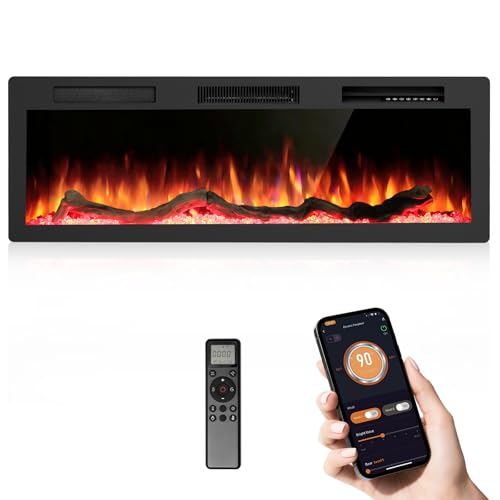
Though not a pellet heater, the R.W.FLAME electric fireplace offers supplemental zone heating up to 400 sq ft with 750W or 1500W modes. It features 12 flame colors and 5 flame speeds for customizable ambiance, plus multiple control options including remote, touch, smartphone, and Alexa voice commands. Its low noise and timer add convenience for indoor use.
Heat Output 750W/1500WCoverage Up to 400 sq ftFlame Colors 12Control Remote, touch, smartphone, AlexaDimensions 50″L x 17.32″H x 5.71″W
Why it made the cut
Adjustable heat settings 750W/1500W
Customizable flame color and speed
Multiple control options including Alexa
Quiet operation and timer function
Good to know
Not suitable for outdoor use
No real flame or pellet burning
Skip it if Skip if you want an authentic outdoor pellet flame and fuel-based heat.
A pellet patio heater burns wood pellets to provide outdoor warmth, but its design tells you whether it’s mainly a heat source or a flame feature. Heating towers with larger hoppers are aimed at warming a seating group; glass fire tubes with smaller hoppers often offer gentler warmth and ambience for two or three people.
In a gravity-fed model, a hopper sits above the firepot and pellets slide into the flame under their own weight. There’s no auger or motor, so these heaters usually need no electricity. You light them by hand, and heat control is limited compared with a gas valve; after shutdown, the remaining pellets can take several minutes to burn out.
A high BTU rating tells you how much heat the heater can produce, not how warm your chairs will feel. Outdoor wind carries heat away, while radiant heat warms people and surfaces best at close range. Treat stated heat coverage as a listing claim, not a guarantee for an exposed patio.
Burn time depends on the hopper and the model. For example, the Beneouya rocket stove is listed with up to 4.4 lb of pellet capacity and around two hours of burn time; several glass fire tube listings give about 75 minutes. Those figures help compare refills, but don’t establish that the models heat equally well.
Choosing the Right Heat Output and Burn Time
Pick a heater with enough heat output and fuel capacity for your space and how long you want it to run. The right balance keeps you warm without wasting pellets.
Heat output is measured in BTUs (British Thermal Units). A typical wood pellet patio heater ranges from around 30,000 to 70,000 BTUs. Higher BTUs mean more heat and a larger coverage area. For example, a 50,000 BTU heater might warm a radius of 10 to 15 feet outdoors, depending on wind and ambient temperature.
Burn time depends mainly on hopper size—the container holding the pellets—and how fast the pellets feed into the fire. Most hoppers hold between 10 and 20 pounds of pellets. A full hopper can feed the fire for 6 to 12 hours, with longer runtimes at lower heat settings.
A bigger hopper generally means fewer refills and longer uninterrupted warmth. For instance, a 15-pound hopper burning at a moderate rate might last about 8 hours before you need to add pellets.
Pellet quality also affects burn efficiency and heat output. Higher-grade pellets with low moisture and minimal ash produce a hotter, cleaner burn that lasts longer per pound. Poor-quality pellets can cause clogging, reduce heat, and increase maintenance.
When choosing a pellet patio heater, balance BTU rating, hopper size, and pellet quality against how large your outdoor area is and how many hours of heat you want each evening. If you’re unsure about the heat radius of a outdoor wood pellet patio heater, lean toward a model with adjustable settings and a larger hopper for flexibility.
The Rayzi 55 Inch Rocket Stove is a solid choice for most buyers since it combines a strong heat output with a practical hopper size and clean flame display, making it a standout among the best pellet patio heater options.
Key Features That Make Pellet Patio Heaters Easier to Use
Look for features that simplify lighting, adjusting, and cleaning. Easy-to-use controls and accessible parts save time and frustration.
Ash trays collect the residue from burned pellets, making cleanup simple and safe. Pellet torch patio heaters often have removable trays that slide out easily, preventing mess and buildup that could affect performance.
A stable base keeps the heater upright in breezy outdoor conditions. Many pellet patio heaters feature wide, weighted bottoms or tripod stands to prevent tipping. Weather-resistant finishes on the metal parts, like powder coatings or stainless steel, protect against rust and fading from sun and rain.
Safety matters more outdoors than you might think. Keep the heater at least 3 feet from combustibles and never leave it unattended while running. Check the manual for any oxygen depletion sensors or auto-shutdown features, especially on models like the Rayzi that combine design and safety. Avoid using pellet heaters in fully enclosed spaces to prevent carbon monoxide buildup.
How to Store and Choose Pellets for Best Performance
Store pellets in a dry place to keep them from absorbing moisture, which reduces burn quality. Choose high-quality pellets recommended for your heater model.
Dry pellets matter because moisture slows ignition and creates more smoke or sputtering flames. Damp pellets can clog the feed system and reduce heat output. Store pellets in a dry, cool spot off the ground and away from humidity, preferably in airtight plastic containers or sealed bags.
Avoid dusty pellets, which indicate breakdown and poor quality. Dust can jam the auger or hopper in your heater, forcing maintenance or causing shutdowns. Buying pellets from reputable suppliers who specialize in heating fuel helps ensure consistent size and dryness.
Check local hardware stores or outdoor supply centers for pellets labeled for heating. Some patio heater brands provide recommendations for pellet types that match their hopper and feed design. Proper pellets keep your heater running smoothly and extend its lifespan.
Maintaining Your Pellet Patio Heater for Reliable Use
Clean the firepot, ash drawer, glass tube, and pellet path only after the heater is fully cool; ash and pellet dust restrict airflow, weaken the flame, and can make a wood pellet patio heater burn poorly.
1
Shut down and cool it
Close the feed or follow the model’s shutdown instructions, then wait until the flame, firepot, and glass tube are cold. Gravity-fed heaters can take several minutes to burn out after shutdown, so don’t move or cover one while embers remain.
2
Clear ash and air openings
Empty the ash drawer or ash box before ash reaches the firepot openings. Brush loose ash from the firepot and nearby air passages; a blocked draft is a common reason a pellet patio heater produces more smoke and less heat.
3
Clean the glass tube
Wipe the glass fire tube with a dry or slightly damp cloth once it is cold. Remove soot before it hardens, and stop using the heater if the tube is cracked rather than trying to patch it.
4
Check the pellet feed
Remove pellet dust and any bridge of stuck pellets from the hopper and feed chute. Gravity-fed models don’t use an auger or motor, but damp pellets can still hang up above the firepot and interrupt the flame.
5
Inspect the structure
Look over the weighted base, wheels, fasteners, heating tower, cap, and welds at the start of the season. A loose part, sharp crack, heavy rust spot, or unstable base is a reason to stop using the heater until the manual or a qualified repair shop clears it.
If the flame is weak, start with dry fuel and a clean firepot rather than adding more pellets. Wet pellets swell and crumble into dust, while wind can carry away radiant heat even when the heater is burning normally.
Before storage
Empty the hopper and feed path completely, remove ash, clean the glass, and let every part dry before covering the heater. Store it under a weatherproof cover in a dry, ventilated place; don’t seal damp ash or leftover pellets inside, where moisture can cause corrosion and pests can find them.
Before the next burn
The firepot and air openings are clear
The pellet hopper contains dry, intact fuel
The glass tube has no crack
The base is stable and fasteners are tight
The heater is outdoors with the clearances in its manual
A previous fire is fully out before refilling or moving it
In short
A clean firepot and dry pellets do more for reliable heat than feeding the heater faster. If you find a cracked glass tube, damaged body, unstable base, or persistent smoke after cleaning, leave the pellet heater off until the fault is repaired.
More Questions, Answered
What is a pellet patio heater and how does it work?
A pellet patio heater burns compressed wood pellets to produce heat and a visible flame. It uses a small electric auger to feed pellets into the burn pot, where they ignite and maintain a steady fire. The design ensures efficient combustion with minimal smoke, making it suitable for outdoor use.
Can pellet patio heaters be used indoors?
Pellet patio heaters are designed for outdoor use only due to ventilation needs and safety concerns. Using them indoors risks carbon monoxide buildup and insufficient oxygen supply. Always follow the manufacturer’s guidelines and use a heater rated specifically for indoor spaces if needed.
How long does a typical pellet load last?
The burn time depends on the heater size and pellet feed rate, but most pellet patio heaters run 4 to 8 hours on a full hopper. For example, a 20-pound hopper might last about 6 hours at moderate heat output. Adjusting the flame size changes how quickly pellets burn through.
What size pellet patio heater do I need for a 200 sq ft patio?
A heater with about 30,000 to 45,000 BTU output suits a 200 sq ft patio well. This range balances warmth without wasting fuel or overwhelming the space. Check the heater’s BTU rating and your outdoor exposure—wind and open sides require more heat to stay comfortable.
Are pellet patio heaters smokeless?
Pellet patio heaters produce very little smoke compared to wood-burning fire pits because pellets burn efficiently and cleanly. You might see some light smoke when starting or adjusting the flame, but under normal operation, smoke is minimal and mostly odorless.
How do I clean and maintain a pellet patio heater?
Regular cleaning involves removing ash from the burn pot and emptying the hopper after each use. Inspect the auger and fan for debris to keep pellets feeding smoothly. Before storage, thoroughly clean all accessible parts to prevent moisture damage and pellet residue buildup.
Where can I buy wood pellets for my heater?
Wood pellets for patio heaters are available at home improvement stores, garden centers, and many online retailers. Look for pellets labeled for heating use, typically made from compressed sawdust with no additives. Buying locally helps reduce moisture exposure during transport.