The Best Space Heater for Bedrooms: Safe & Cozy Picks
On this page 4 sections
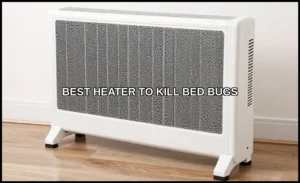
The best type of space heater for a bedroom is a ceramic heater, as it provides efficient, safe, and quiet heating while maintaining a comfortable temperature.
Shivering under blankets, waking up to icy floors, or struggling with uneven heating? A chilly bedroom ruins sleep and comfort—but cranking up the central heat wastes energy and spikes bills. The right space heater for your bedroom can solve this quietly and efficiently. In this guide, we’ll cover the safest options, key features for sleep-friendly heating, and how to maximize energy savings. For maintenance tips, check our guide on extending heater lifespan.
Key Takeaways
- Ceramic heaters are the top choice for bedrooms—safe, energy-efficient, and silent.
- Look for tip-over protection, adjustable thermostats, and timers to prevent hazards.
- Infrared heaters offer instant warmth but may lack whole-room heating.
- Oil-filled radiators are best for larger bedrooms due to steady, convection-based heat.
Why Ceramic Heaters Dominate Bedrooms
Ceramic space heaters use PTC (positive temperature coefficient) elements to generate heat quickly while staying cool to the touch. Their built-in fans distribute warmth evenly without noise disruptions—critical for sleep. Models like the Lasko 754200 include programmable thermostats and eco-modes, cutting energy use by 20% compared to radiant heaters. For safety, ceramic units auto-shut off if tipped or overheated, a feature highlighted in our indoor heating safety guide.
Infrared vs. Ceramic: The Sleep Test

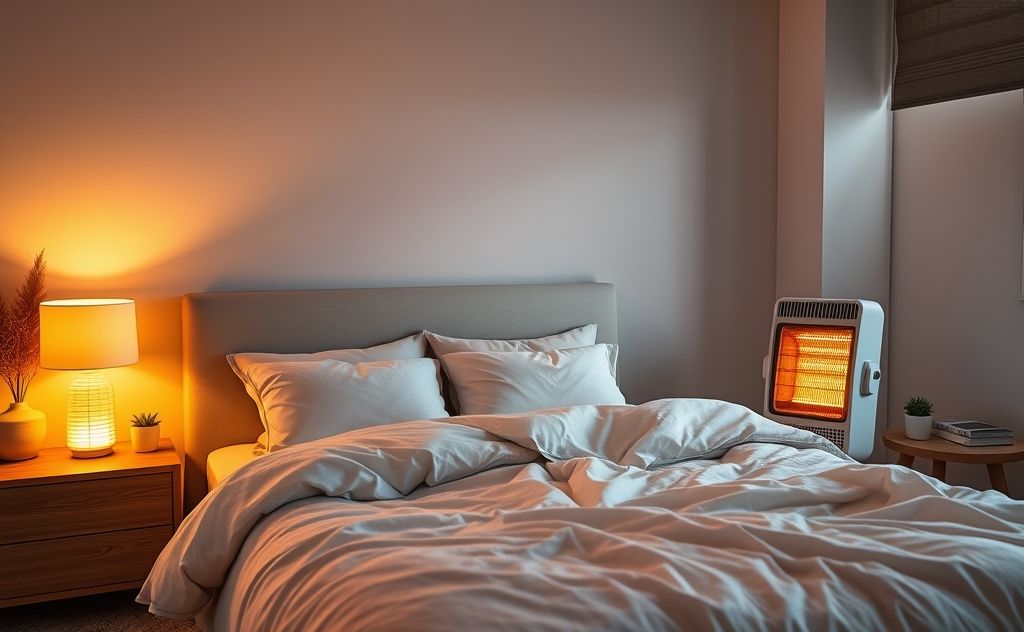
Infrared heaters warm objects directly (like your bed) but struggle with air temperature. While silent, they’re better for spot heating than whole rooms. Ceramic models, however, maintain consistent temps—ideal for 8-hour sleep cycles. See U.S. Department of Energy data on efficiency comparisons.
| Type | Best For | Noise Level | Avg. Cost/Hour* |
|---|---|---|---|
| Ceramic | Whole-room heating | Low (≤40 dB) | $0.12 |
| Infrared | Spot heating | Silent | $0.15 |
| Oil-filled | Large bedrooms | Silent | $0.10 |
*Based on 1,500W usage at $0.10/kWh.
Safety First: Non-Negotiable Features
Bedroom heaters must prioritize safety. Key features include:
- Tip-over switch: Cuts power if knocked over.
- Overheat protection: Prevents internal damage.
- Cool-touch housing: Avoids burns (critical for kids/pets).
- UL certification: Ensures electrical safety.
According to the CPSC, 81% of heater-related fires lack these safeguards.
FAQ
Are space heaters safe overnight?
Yes, if they have auto-shutoff and thermostats. Ceramic or oil-filled models are safest for unattended use.
What size heater for a 12×12 bedroom?
A 1,500W heater (5,100 BTU) suffices for 144 sq. ft. Pair with insulation for best results.
Do heaters dry out bedroom air?
Convection heaters can. Add a humidifier or choose infrared, which doesn’t reduce humidity.
 Winter Heating Bill CutterSee what every heater in your home really costs, heat the rooms you use, and cut the waste in 30 days.Cost-per-hour tables for every heaterThermostat schedule and draft-proofing planRunning-cost and bill calculator (Excel)
Final Thoughts
For bedrooms, ceramic heaters strike the perfect balance of safety, efficiency, and quiet operation. Prioritize models with programmable settings and certifications to ensure cozy, risk-free warmth. Explore our heating comparisons for whole-home solutions.