The thermometer reads 98°F at 9 AM, and your tomatoes are already drooping. You grab the hose, douse everything, and head inside. By 3 PM, the leaves look worse than before, and the soil is cracked like a dry riverbed. Sound familiar? Most gardeners react to heat rather than plan for it, and that reaction usually costs the plants more water than it saves them.
This guide covers the optimal timing to water your garden in a heat wave, but it goes deeper than just clock times. You’ll learn why plants shut their stomata when temperatures spike, how water moves through soil at different hours, and what to do when a plant has already collapsed from heat stress. The goal is a watering schedule that works with plant physiology, not against it.
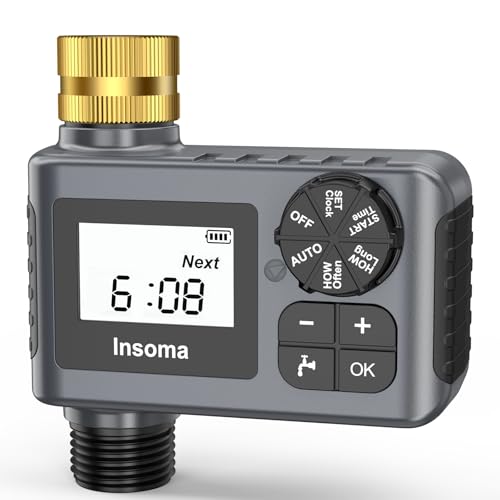
Insoma
Water Timer for Outdoor Garden Hose, Hose…
- 【Durable Brass Inlet for Extended Lifespan】: Featuring a 100% brass water inlet and metal-threaded connection, this Insoma water t…
- 【Easy to Set Up Program】Rotate the dial and press the buttons to set clock, how often (watering frequency), how long (watering dur…
- 【3 Watering Modes】The hose timer for watering has 3 watering modes. AUTO MODE, the garden hose timer will run automatically after…
Before diving into the timing science, a practical note on execution. A hose timer removes the guesswork from early-morning watering, especially when you’d rather stay in bed. The Insoma water timer with its brass inlet and rain delay mode lets you set a precise schedule that won’t wash out during a downpour. It’s a useful tool for implementing the strategies below, though you can absolutely manage without one if you’re disciplined about your routine.

Why Timing Matters More in a Heat Wave
During a heat wave, plants lose water through transpiration at a rate that can exceed root uptake. When the air temperature climbs past 90°F, many plants close their stomata — the microscopic pores on leaf surfaces — to prevent moisture loss. That’s a survival reflex, but it also stops photosynthesis. The plant essentially stops growing and starts conserving.
Water applied at the wrong time does not fix this. If you water in the middle of the afternoon, you’re fighting three forces at once: evaporation from the soil surface, rapid transpiration from the leaves, and the fact that the plant’s stomata are already closed. Most of that water never reaches the root zone where it matters. You might see a temporary perk-up, but it’s cosmetic.
Watering at the right time, however, delivers moisture when roots are most active and stomata are open. That’s the difference between sustaining a plant through a heat wave and merely wetting the surface of the problem.
The Science of the Golden Hours (Morning vs. Evening)
Dawn is the optimal timing to water your garden in a heat wave. Between 5 AM and 7 AM, air temperatures are at their daily low, wind speeds are minimal, and evaporation rates are near zero. The soil has cooled overnight, so water infiltrates deeper rather than pooling or running off. Roots, which grow most actively in the early morning, are primed to take up moisture.
Morning watering also gives leaves time to dry before the sun gets intense. Wet foliage combined with high afternoon heat creates a breeding ground for fungal diseases like powdery mildew and leaf spot. By watering early, you let the sun dry the leaves naturally by mid-morning.
Why Morning is King (and When Evening is the Backup)
Evening watering works in a pinch, but it comes with trade-offs. Water applied after sunset sits on the leaves all night. That prolonged moisture increases disease pressure, especially in humid climates. The soil also stays wet longer, which can suffocate roots if the heat wave has already stressed the plant’s oxygen exchange.
That said, evening is better than not watering at all. If your schedule forces you to choose between dusk and midday, pick dusk. Water between 6 PM and 8 PM, aim the stream at the soil rather than the foliage, and keep the duration shorter than you would in the morning. You’ll lose some water to overnight evaporation, but less than you’d lose to the midday sun.
One more thing: never water when the sun is directly overhead. The old myth about water droplets burning leaves through a magnifying-glass effect is mostly false, but the water loss through evaporation is real. You might as well pour water onto a hot skillet.
How to Water Deeply (and How Often)
Deep watering beats frequent shallow watering every time. A light sprinkle wets the top inch of soil, which evaporates within hours. Deep watering pushes moisture down 6 to 8 inches, encouraging roots to grow downward where the soil stays cooler and moister. Shallow roots are more vulnerable to heat damage.
How often depends on your soil type. Sandy soil drains fast and may need watering every other day during a heat wave. Clay soil holds moisture longer but can become waterlogged if you overdo it. A good rule of thumb: water deeply two to three times per week, then adjust based on what the soil tells you.
The ‘Check the Soil’ Test
Forget the calendar. Stick your finger into the soil near the plant’s base, up to your second knuckle (about 2 inches deep). If it feels dry, water. If it feels cool and slightly damp, wait another day. For container plants, lift the pot — if it feels light, it needs water. This test beats any timer schedule because it accounts for your specific microclimate, soil composition, and recent weather.
Here’s a step-by-step deep watering routine for a heat wave:
- Water at dawn, targeting the soil around the plant’s base, not the leaves.
- Apply water slowly so it soaks in rather than runs off. A soaker hose or drip irrigation works best.
- Pause after 10 to 15 minutes, let the water settle, then water again to push moisture deeper.
- Check soil moisture 30 minutes later. The top 2 inches should be moist, and the soil 6 inches down should feel cool.
- Mulch immediately after watering to lock in the moisture (more on that below).
Critical Differences: Containers, Beds, and New Plantings
Container plants dry out dramatically faster than in-ground beds. The soil volume is small, the pot walls heat up, and drainage holes let water escape. During a heat wave, a 12-inch pot may need water every single day, sometimes twice. Check containers in the morning and again in the late afternoon. If the top inch of potting mix is dry, water.
Raised beds sit somewhere in between. They drain better than ground soil, which is good for root health, but that also means they dry out faster. You’ll likely need to water raised beds every other day during extreme heat, versus every three days for a traditional garden bed.
New plantings — anything planted within the last year — have root systems that haven’t extended far into the soil. They need extra attention. Water them more frequently, and consider shading them with a temporary cloth or umbrella during the hottest part of the afternoon. The roots simply can’t reach deep moisture yet.
Microclimates matter too. A bed against a south-facing brick wall absorbs radiant heat all day and will dry out faster than a north-side bed shaded by a fence. Adjust your schedule accordingly. Don’t treat your whole garden the same.
The Overwatering Trap: Signs You’re Drowning Your Plants
Heat stress makes you panic, and panic leads to overwatering. Wilting leaves are a classic sign of underwatering, but they’re also a sign of root rot caused by too much water. When roots sit in saturated soil, they can’t access oxygen. The plant suffocates, and the leaves droop exactly like they would from drought.
Here’s how to tell the difference. Check the soil moisture first. If it’s soggy and the leaves are wilting, you’re overwatering. If the soil is dry and crumbly, you’re underwatering. Also look at leaf color: yellowing leaves with brown edges often indicate overwatering, while crispy, brittle leaves with brown tips indicate drought stress.
In a heat wave, overwatering is a real danger because warm soil holds less dissolved oxygen. Waterlogged roots also become susceptible to fungal pathogens like Phytophthora. If you’ve watered deeply and the soil is still wet two days later, hold off. Give the roots time to breathe.
Emergency Recovery: Reviving a Heat-Stressed Plant
If a plant has already collapsed — leaves drooping, edges curling, stems looking limp — you need a recovery protocol, not a regular watering schedule. Act fast, but don’t flood it.
- Move potted plants to shade immediately. For in-ground plants, set up a temporary shade cloth over the plant during peak sun hours.
- Water with tepid water, not ice-cold hose water. Cold water shocks the roots and causes further stress. Fill a watering can and let it sit in the shade for an hour to reach ambient temperature.
- Water slowly and deeply around the drip line, not directly at the stem. The feeder roots are at the edge of the canopy.
- Mist the leaves lightly with water in the early morning. This lowers leaf temperature and reduces transpiration demand, but only do this if the plant is in shade — wet leaves in direct sun can scorch.
- Do not fertilize. Fertilizer forces growth, which requires water. A stressed plant needs to recover, not grow.
- Wait 24 hours before assessing. If the plant perks up overnight, you’ve caught it in time. If not, check for root rot by gently digging around the base.
Recovery takes days, not hours. A plant that survives the heat wave may still drop some leaves — that’s normal. The plant is shedding tissue to reduce water demand. Give it time.
Smart Tools and Mulching to Lock in Moisture
Mulch is the unsung hero of heat-wave survival. A 2- to 3-inch layer of organic mulch — wood chips, straw, shredded bark — reduces soil evaporation by up to 70%. It also keeps the soil temperature cooler, which protects roots from heat damage. Apply mulch after watering, not before, so the moisture is trapped underneath.
For those who want precision, a programmable hose timer simplifies the early-morning routine. The automatic drip irrigation controller handles the scheduling, so you don’t have to wake up at 5 AM to move a hose around. The rain delay feature is genuinely useful — it skips a scheduled watering when a storm rolls through, which prevents overwatering and saves water.
Drip irrigation is the best delivery method for heat-wave watering. It puts water directly at the soil surface near the roots, minimizing evaporation and keeping foliage dry. Soaker hoses work similarly. Overhead sprinklers are the worst choice in a heat wave because they lose a significant portion of water to evaporation before it hits the ground.
If you’re still dialing in your overall approach, the heat wave watering guide covers broader scheduling strategies, and the lawn watering tips apply some of the same principles to turf grass, which behaves differently than garden plants.
Comparing Watering Methods in a Heat Wave
| Method | Water Loss to Evaporation | Best Time to Use | Best For | Caveat |
|---|---|---|---|---|
| Drip Irrigation | Low (5-10%) | Early morning | Beds, rows, containers | Requires setup; check for clogs |
| Soaker Hose | Low (10-15%) | Early morning | Raised beds, dense plantings | Can kink; uneven coverage on slopes |
| Hand Watering (Can) | Medium (20-30%) | Early morning or dusk | Containers, new plantings | Labor-intensive; easy to under-water |
| Oscillating Sprinkler | High (40-50%) | Dawn only | Large lawns | Wets foliage; disease risk if used at dusk |
| Impact Sprinkler | Medium (25-35%) | Dawn only | Large vegetable gardens | Heavy water droplets can damage delicate seedlings |
The table makes one thing clear: the more targeted the delivery, the less water you waste. Drip and soaker systems win in a heat wave because they bypass the air entirely.
Common Questions About Heat-Wave Watering
Should I water every day during a heat wave?
Not automatically. Daily watering is necessary for containers and new plantings, but established in-ground plants often do better with deep watering every two to three days. Frequent shallow watering encourages shallow roots, which are more vulnerable to heat. Check the soil at 2 inches deep — if it’s still moist, skip a day.
Is it bad to water plants in the middle of the day?
It’s inefficient, not harmful. The water won’t burn the leaves, but most of it will evaporate before reaching the roots. You’ll use more water for less benefit. If a plant is wilting severely at noon, water it — survival trumps timing — but expect to repeat the process the next morning.
Can I use ice cubes to water plants in a heat wave?
No. Ice-cold water shocks the root system and can cause root cells to rupture. Plants in heat stress need tepid water at ambient temperature. Let tap water sit in a watering can for an hour before using it.
How long should I run a drip irrigation system during extreme heat?
It depends on your emitter flow rate and soil type. A common starting point is 30 to 45 minutes for sandy soil, 20 to 30 minutes for loam, and 15 to 20 minutes for clay. After the first run, check the soil depth. The goal is moisture down to 6 inches, not a puddle on the surface.
What’s the fastest way to tell if a plant is overwatered or underwatered?
Stick your finger in the soil. Dry and crumbly means underwatered. Wet and soggy means overwatered. For a second clue, look at the leaves: crispy brown edges point to drought, while yellow, mushy leaves point to root rot.
What Actually Works: A Field-Tested Summary
- Water between 5 AM and 7 AM — it’s the optimal timing to water your garden in a heat wave because evaporation is minimal and roots are active.
- Water deeply (6 to 8 inches) two to three times a week for in-ground beds, more often for containers and raised beds.
- Use tepid water, never ice-cold hose water, to avoid root shock.
- Mulch with 2 to 3 inches of organic material after watering to lock in moisture and cool the soil.
- Choose drip irrigation or soaker hoses over sprinklers to cut water loss dramatically.
- Watch for overwatering signs — wilting with soggy soil means root rot, not drought.
- For heat-stressed plants, move them to shade, water slowly with tepid water, and skip fertilizer until they recover.
Heat waves don’t have to be a death sentence for your garden. The plants that survive aren’t the ones that get the most water — they’re the ones that get water at the right time, delivered to the right place. Adjust your schedule, check the soil, and let the plants tell you what they need.

I am a mechanical engineer and love doing research on different home and outdoor heating options. When I am not working, I love spending time with my family and friends. I also enjoy blogging about my findings and helping others to find the best heating options for their needs.
Related guides

Discover the Best Heat Pump for Florida’s Humid Climate!
Looking for the best heat pump for Florida? Find top options that keep your home comfortable year-round while…
Cozy Comfort: The Best Heated Glove Liners for Men!
Stay warm this winter with the best heated glove liners for men. Find your perfect fit and keep…
Perfect Outdoor Heater for My Cozy Covered Porch!
Stay warm and cozy on your covered porch! Find the best outdoor heater to extend your outdoor enjoyment…