Fall or spring for mild weather, ensuring easier installation and potential cost savings.
Are you tired of unpredictable energy bills and inconsistent home temperatures? Installing a heat pump at the wrong time can lead to delays, higher costs, and discomfort during extreme weather.
The right heat pump installation can transform your home’s comfort and efficiency. In this guide, we’ll cover the optimal timing, seasonal advantages, and how to maximize savings, including insights from our electric heater installation guide.
Key Takeaways
- Fall and spring offer mild weather for smoother installations.
- Off-peak seasons may provide discounts and faster scheduling.
- Proper timing enhances system efficiency and longevity.
1. Why Fall is Ideal for Heat Pump Installation

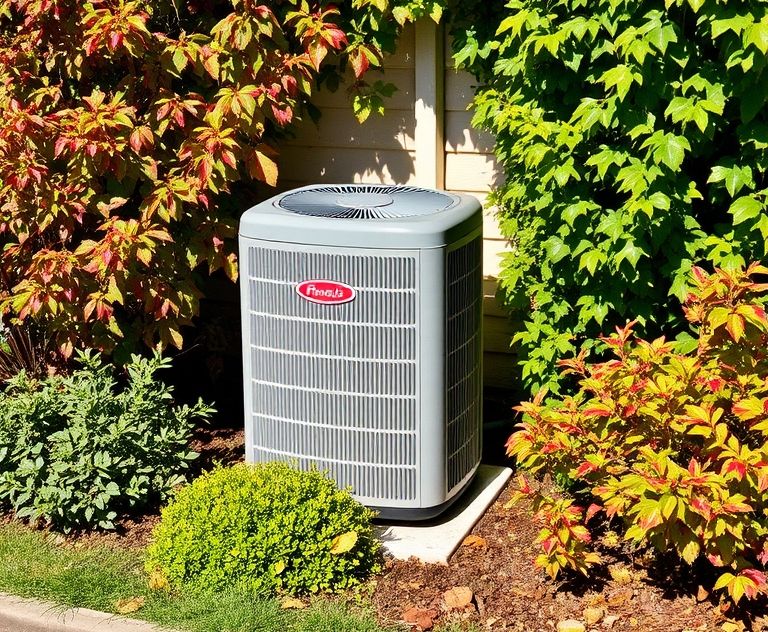
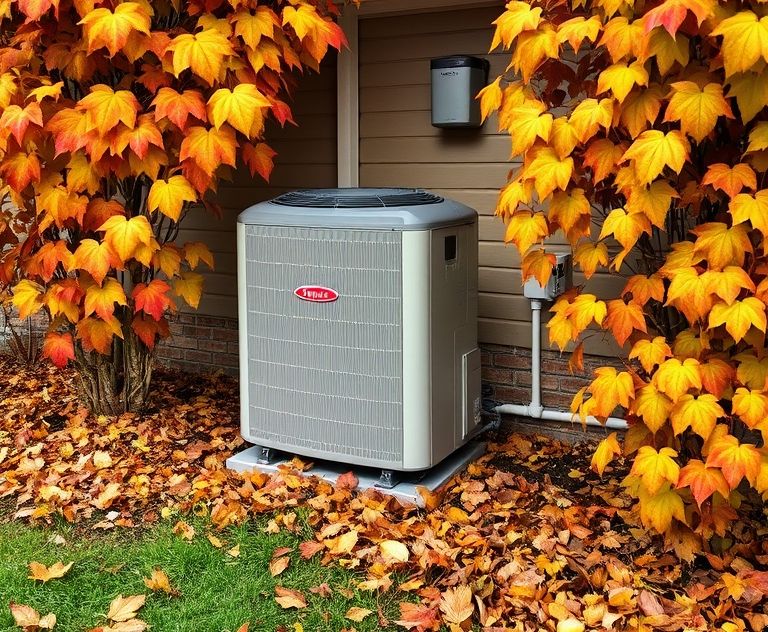
Fall presents optimal conditions for installing a heat pump. With moderate temperatures, HVAC technicians can work efficiently without weather-related interruptions. This season often sees lower demand, leading to quicker scheduling and potential discounts from providers eager to fill their calendars before winter. Additionally, installing in fall ensures your system is fully operational before the coldest months, providing reliable heating when you need it most. Homeowners can also take advantage of end-of-year promotions or rebates offered by manufacturers and utility companies.
2. Benefits of Spring Installation
Spring is another prime window for heat pump installation. As temperatures rise but remain mild, the installation process is straightforward, avoiding the extreme heat of summer that can challenge both equipment and installers. HVAC companies typically have more availability in spring, reducing wait times. Installing during this season prepares your home for efficient cooling in summer while allowing any necessary follow-ups or adjustments to be handled before peak season. It’s also a great time to leverage tax incentives or energy-efficient rebates that are often renewed annually.
3. Comparing Seasonal Installation Advantages
| Season | Pros | Cons |
|---|---|---|
| Fall | Mild weather, pre-winter readiness, potential discounts | Shorter days may limit installation windows |
| Spring | Moderate temperatures, summer preparation, rebate availability | Spring rains could cause minor delays |
| Winter | Immediate need for heating | Higher costs, weather delays, limited availability |
| Summer | Immediate cooling benefits | Peak pricing, busy schedules, extreme heat challenges |
4. How to Plan Your Installation Timeline
Planning your heat pump installation involves strategic timing and coordination. Start by researching local HVAC companies and their seasonal availability—booking several weeks in advance for fall or spring can secure better rates. Check for current rebates or federal incentives, such as those listed on Energy.gov, which can reduce overall costs. Schedule the installation during a period of mild weather forecasts to avoid disruptions. Also, consider complementary upgrades, like smart thermostats, which integrate seamlessly with new systems and enhance efficiency.
5. Maximizing Savings and Efficiency
To maximize savings, pair your installation with energy-efficient practices. Seal any drafts in your home to ensure the heat pump operates at peak performance. Explore utility rebates or tax credits available for high-efficiency models—these can significantly offset upfront costs. Regular maintenance, such as cleaning filters and checking refrigerant levels, will prolong the system’s life and maintain efficiency. For more tips on maintaining heating systems, see our guide on heater maintenance.
Summary Table: Best Times for Heat Pump Installation
| Factor | Fall | Spring |
|---|---|---|
| Weather Conditions | Mild, stable | Moderate, predictable |
| Installation Cost | Often lower | Competitive pricing |
| Technician Availability | High | High |
| System Readiness | For winter | For summer |
Timing your heat pump installation during fall or spring ensures a smoother process, cost savings, and optimal performance. Plan ahead, leverage incentives, and enjoy year-round comfort with your new system.
Related pick: Check today's price on Amazon

HeaterGuides covers home heating, water heating and HVAC: how the equipment works, what it costs to run, and how to use it safely.