


Table top patio heaters bring warmth and convenience to outdoor gatherings without taking up floor space. They’re compact but powerful enough to extend your outdoor season on patios, decks, and porches.
Choosing the right one means balancing heat output, fuel type, safety, and how much space you want to cover. This guide ranks five excellent models and explains how to pick the right one for your needs.
Compare Table Top Patio Heaters
| Model | Best for | Heat Output (BTU) | Tabletop Surface | Ignition Type | Safety Features | Price |
|---|---|---|---|---|---|---|
| Pamapic Propane Tabletop Heater | Best Overall | — | Round tabletop | One-touch ignition | Tip-over protection; CSA certification | Check price on Amazon |
| Mars Explo 50,000 BTU Brown Heater | Best Heat Focusing | 50,000 BTU | Round tabletop | One-touch ignition | Conical design for stability and wind resistance | Check price on Amazon |
| Mars Explo 50,000 BTU Black Heater | Best Black Finish | 50,000 BTU | Round tabletop | One-touch ignition | Conical design for stability and wind resistance | Check price on Amazon |
| VEVOR 50,000 BTU Flame Heater | Best Flame Display | 50,000 BTU | — | Push-button ignition | Tilt auto-shutoff sensor | Check price on Amazon |
| Hykolity 50,000 BTU Patio Heater | Best For Small Patios | 50,000 BTU | — | Piezoelectric ignition | Waterproof and rainproof design | Check price on Amazon |
Best Table Top Patio Heaters Ranked
Pamapic Propane Tabletop Heater
Mars Explo 50,000 BTU Brown Heater
Mars Explo 50,000 BTU Black Heater
VEVOR 50,000 BTU Flame Heater
Hykolity 50,000 BTU Patio Heater
Check Heat Output and Coverage for Your Outdoor Area
Check the heat output in BTUs and the coverage area the heater can warm effectively. Outdoor heaters differ widely here, from about 4,000 BTU models for small table use to 10,000 or more for larger spaces. A heater rated at 9,000 BTU might cover roughly 100 to 150 square feet on a calm night, but wind reduces that. Match the heater’s output to your usual outdoor setup to avoid cold spots or wasted fuel.
BTU means British thermal units per hour, so a 50,000 BTU heater can deliver far more heat than an 11,000 BTU compact model. Coverage claims are usually measured as a diameter in calm conditions; treat them as a starting point rather than a force field against January wind.
| Heater size | Typical coverage | Best fit |
|---|---|---|
| 11,000 BTU compact heater | About 6–10 ft diameter | One small table, balcony or closely grouped seats |
| 50,000 BTU patio heater | About 15–20 ft diameter | A larger patio, dining area or several seats |
| Pamapic Outdoor Heater | Advertised with 20-foot heat coverage | A residential or commercial seating area needing broader reach |
Wind is the biggest outdoor spoiler: it carries heat away, makes radiant warmth feel weaker and can leave the side of the table nearest the heater comfortable while the far side stays chilly. A wall, roof overhang or sheltered corner can improve comfort, but keep the clearances and placement rules in the heater’s manual.
More BTUs also mean greater fuel use when the heater runs at full output. A 50,000 BTU model makes sense for a broad, exposed seating area; an 11,000 BTU heater is the saner choice for a compact space where a larger flame would mostly heat the neighborhood.
If your patio has an outlet and you prefer to avoid propane storage, compare electric patio heaters; the heat pattern and installation limits are different, so don’t swap one type into the other’s job.
Look for Safety Features That Matter Outdoors
Safety features are crucial outdoors because wind and moisture can affect operation. Look for a tip-over switch that cuts power if the heater falls, and a flame failure device on gas models to stop gas flow if the flame goes out. A weather-resistant frame and controls also help prevent damage and accidental burns. Avoid heaters without these protections for outdoor use.
A tip-over shutoff switch should stop the burner if the heater is knocked over or tilted. Check that the base sits flat, the cylinder is secured and the switch resets only after the heater is upright; a safety device is useful, but it isn’t permission to place the unit on an unstable table.
An oxygen depletion sensor, or ODS, monitors oxygen conditions and shuts off gas on appliances designed to use that system. It doesn’t make an outdoor heater safe inside a porch, garage, tent or enclosed patio. Combustion still consumes oxygen and can produce carbon monoxide, so use only the ventilation stated by the manual and keep a working carbon monoxide alarm where the manufacturer recommends one.
Look for a CSA certification mark or another recognized safety listing shown on the heater or its documentation, then confirm the listing applies to the complete appliance. 304 stainless steel resists corrosion better than ordinary steel, which helps on a damp patio, but it doesn’t cancel the need for a cover, inspection or proper storage.
Store the propane cylinder upright, secured in its designed compartment, with the valve closed when the heater is off; keep it away from flames, heat sources and areas where it can be struck. A magnetic locking door can keep the tank compartment closed and discourage casual access, but it isn’t a gas seal and shouldn’t replace checking the hose, regulator and connections.
For a broader comparison of propane designs and safety hardware, see outdoor propane patio heaters before choosing a table-top model.
Choose Between Propane and Pellet Fuel Types
Propane heaters burn clean and deliver instant heat, making them popular for patio use. Pellet heaters use compressed wood pellets and can offer a wood-fired ambiance with lower emissions. Propane models need a 20-pound tank and an oxygen depletion sensor for indoor-rated units. Pellet heaters require electricity to feed pellets and power the fan, so consider your power access. Your choice depends on fuel availability, heat output needs, and the atmosphere you want.
Wood pellet patio heaters for outdoor use do exist, but a table top pellet heater outdoor setup is uncommon. Pellet burners usually need a hopper, auger and controls, so they tend to be bulkier than propane models and often need electricity. That combination makes them a poor fit for a small table unless you specifically want pellet fuel and have an outlet nearby.
Propane suits dinners, tailgates and rentals because you can disconnect the cylinder and carry the heater separately. Refilling means exchanging or filling the correct cylinder, checking the connection for damage, and storing spare fuel outdoors as local rules require. A propane buying guide can help if you want more full-size options: propane gas patio heaters.
Fuel cost depends on your heater’s listed consumption, local propane price and how long you run it. Use burn rate multiplied by hours, then multiply that result by the price per gallon; compare the answer with the cost of a pellet bag and the heater’s stated pellet consumption. Electric heaters avoid fuel storage and ignition altogether, but they need a suitable outdoor-rated outlet and usually keep you tied to one location. See electric patio heaters if outlet access matters more than portability.
Pick a Design That Fits Your Space and Use
The heater’s design affects how well it fits your space and style. Some table top heaters have a conical shape with a wide reflector to spread heat evenly, while others are compact cylinders. Consider the height and width so it won’t crowd your table or block views. Also check if the heater includes a tabletop cover or wheels for easy movement. A design that suits your outdoor furniture and use patterns will get the most from your heater.
A table top patio heater should leave room for plates, hands and the heater’s required clearance, so measure the tabletop before buying. Check the heater’s height as well as its footprint: a taller heat source can spread warmth over seated people, while an oversized body may block sightlines or crowd a small café table. Heat still follows the wind, unfortunately; furniture geometry can’t repeal weather.
Choose wheels or a lighter body when you’ll move the heater between a deck, porch and storage area. Full-size wheeled models are easier to roll across a firm surface, while a compact tabletop heater is simpler to lift but still needs a secure place away from traffic. The VEVOR 50000BTU Patio Heater for Outdoor Use With Ro… is the type to consider when rolling a larger unit matters; compare its size with your paths and storage space first.
Look for materials and coatings intended to resist rust and weather damage, then cover and store the heater when the season ends. Paint can slow corrosion, but it won’t make untreated metal invincible around rain, salt air or standing water. If you need a wheeled design specifically, outdoor patio heaters on wheels gives you a narrower set of choices.
Don’t Forget Running Costs and Maintenance
Running costs depend on fuel type and heater efficiency. A 9,000 BTU propane heater burns about 0.5 pounds of propane per hour. With propane at roughly $3 per gallon and 4.2 pounds per gallon, that’s about $0.36 per hour. Electric pellet heaters use around 100 watts plus pellets; pellet costs vary but can be about $0.15 per hour. Maintenance includes cleaning the burner and checking connections annually. Knowing these numbers helps avoid surprises on your energy bill.
Actual use will be lower when you turn the control down, and wind can tempt you to run the heater harder. Check the rating plate for the model’s BTU input, then multiply its hourly gallons by your local propane price. The 50,000 BTU models from Mars Explo, VEVOR and Hykolity therefore have similar fuel math at the same setting; the difference is how often you need that setting.
Choose An Ignition You’ll Maintain
A piezo ignition creates its spark mechanically, so it avoids disposable batteries and one more small part that can refuse to cooperate in cold weather. Pressing the igniter should produce a consistent click and spark; if gas flows but the pilot won’t light, stop trying and follow the model’s shutoff and relighting instructions.
Infrared outdoor patio heaters warm people and nearby surfaces more directly than they warm moving air. Propane infrared models still consume fuel according to their BTU rating, while electric infrared models trade propane refills for electricity and a suitable outdoor-rated connection; propane patio heater options make more sense where outlets aren’t convenient.
Protect The Burner Before Winter
- Choose a heater with a stainless steel burner when possible; stainless resists corrosion and helps burner ports stay usable, though dirt and insects can still clog them.
- Turn off the propane, let the heater cool completely, and inspect the burner ports, pilot opening, hose and regulator before the season starts.
- Keep the heater covered when it’s cool and dry. Remove the cover completely before lighting, and don’t store a propane cylinder in an enclosed room or shed.
Questions People Ask
What is a table top patio heater and how does it work?
Are table top patio heaters safe for outdoor use?
Can I use wood pellet heaters as table top patio heaters outdoors?
How much area can a typical table top patio heater warm?
What maintenance is needed to keep my table top patio heater running well?

I am a mechanical engineer and love doing research on different home and outdoor heating options. When I am not working, I love spending time with my family and friends. I also enjoy blogging about my findings and helping others to find the best heating options for their needs.
Related guides

Top Picks for Efficient Water Heaters That Transform Comfort
Searching for the best water heater for radiant floor heat? Look no further—experience warmth and comfort with top-rated…
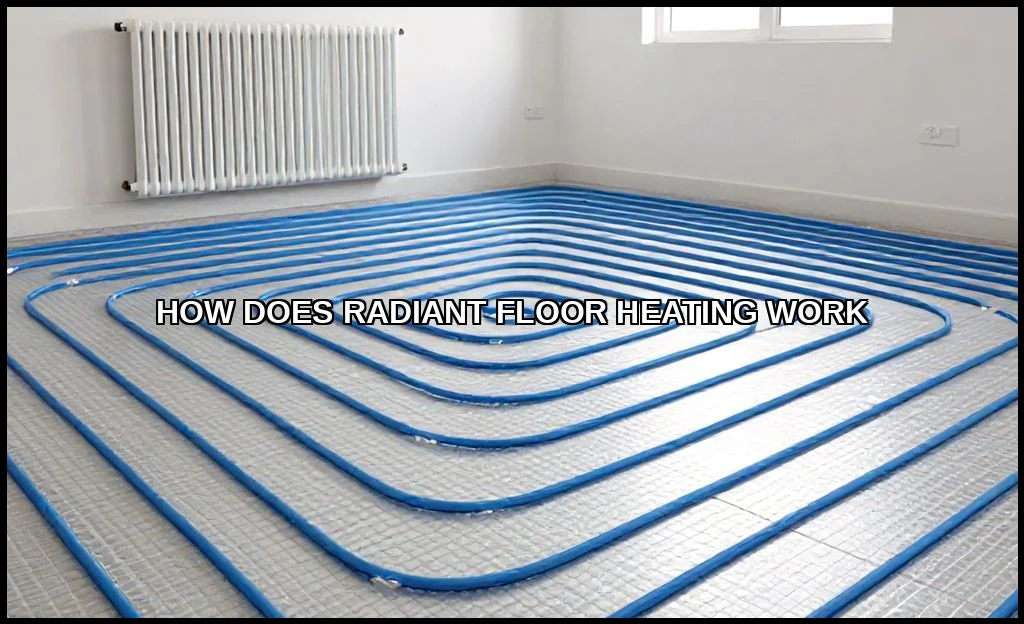
How Radiant Floor Heating Works in Your Home
Imagine stepping out of bed onto a warm floor on a frigid morning. No blast of dry air,…

Radiant Heater Types Explained: About 12 Cents an Hour to Run
Understand radiant heater types, how they warm your space, costs, and safety to choose the right system for…
