
Extending your swimming season doesn’t have to mean skyrocketing energy bills. For above ground pool owners, harnessing the sun’s free energy is a smart, sustainable move. A solar pool heater can be the perfect solution, gently raising your pool temperature for those extra weeks of comfortable swimming in the spring and fall.
You might be wondering, are solar pool heaters worth it for small pools? Absolutely. The technology is scalable and surprisingly effective. Whether you’re looking at a full solar pool heating system or simpler options like a solar blanket, the goal is the same: capture and transfer heat efficiently. For a popular and reliable entry point, many owners of smaller pools find success with the Intex 28685E 47. It’s a straightforward solar dome design that’s often cited as the best solar heater for Intex above ground pool setups.
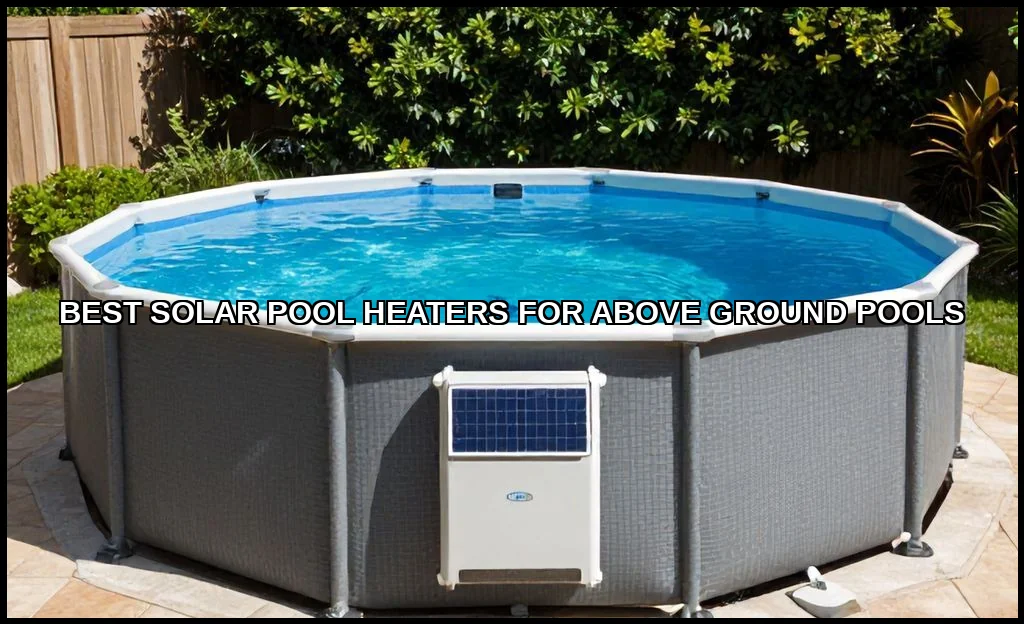
How Solar Pool Heaters Work for Above Ground Pools
The principle is beautifully simple. Your pool’s pump moves water through a series of solar collector panels or mats, usually placed on a sunny roof or rack. As the water trickles through these dark, sun-absorbing panels, it warms up before returning to the pool. It’s a continuous, passive cycle.
Key to this process is the solar collector itself. Its efficiency dictates how much heat you capture. Think of it like this: a larger collector surface area means more sunlight absorbed and a higher potential BTU output. This is why pairing your system with a solar cover is non-negotiable. The cover traps the heat you’ve gained, preventing overnight evaporationthe primary cause of heat loss. It’s the one-two punch for effective pool heating.
Top 5 Solar Pool Heater Models Reviewed
Choosing the right model depends on your pool size, budget, and DIY comfort level. Heres a breakdown of top contenders across different categories.
1. Fafco Solar Bear System
A professional-grade option, Fafco’s panels are durable and highly efficient. They’re designed for permanent installation and offer excellent BTU output. Ideal for larger above ground pools where you want a set-and-forget solution.
2. SunHeater S120U Universal System
This two-panel system is a fantastic balance of affordability and performance. It’s versatile, easy to install on roofs or the ground, and can raise temperatures by up to 10 degrees. A consistent performer and a great best value pick.
3. Intex Solar Heater Mat
For the ultimate in simplicity, these solar pool mat systems are hard to beat. You simply lay the interconnected mats in the sun, often on the ground beside the pool. They’re the epitome of a DIY solar heater and represent one cheapest way to heat an above ground pool with solar.
4. Solar Pool Rings
Not a traditional heater, but a clever hybrid. Solar rings are individual floating discs that link together to cover the pool’s surface. They function as both a heater and a cover, absorbing sunlight and reducing evaporation. Perfect for irregularly shaped pools.
5. Generic Solar Dome Heaters (like the Intex 28685E)
These compact, black dome units connect directly to your pool’s return line. Water flows through a spiral channel inside the dome, heating rapidly. They’re low-cost, easy to hook up, and surprisingly effective for pools under 15 feet. A solid entry point.
Cost Breakdown & ROI Calculation
Let’s talk numbers. The upfront cost is the main hurdle, but the long-term savings are real.
- System Cost: Basic solar mats or a single dome can cost $100-$300. Full panel systems range from $500 to $2,000+.
- Installation: A major advantage for DIY-ers. Many above ground systems require no professional help, saving hundreds.
- Operating Cost: Virtually zero. Your existing pool pump does the work.
Calculating your payback period is straightforward. Compare the system cost to what you’d spend on gas or electric heating for the same season extension. For many, the solar system pays for itself in 1-3 swimming seasons. After that, it’s free heat. The return is even faster if you live in a sunny climate. It’s a different calculus than, say, finding the best ventless natural gas wall heaters for your home, where fuel costs are always a factor.
Step-by-Step Installation Guide
How to install a solar pool heater on an above ground pool is a common question. The process is manageable for most homeowners. Heres a general guide.
Planning & Placement
First, identify the sunniest location. A south-facing roof is ideal, but a ground-based rack works too. Ensure the location is close to your pump to minimize plumbing runs. Measure your available space to determine how many solar panels or mats you can fit.
Mounting the Collectors
- For Roofs: Use non-penetrating racking systems designed for flat or slightly pitched surfaces. They weigh down with ballast, protecting your roof.
- For Ground: Build or buy a simple angled frame facing south. This is often the easiest method for above ground pools.
- For Mats: Simply unroll them on a clean, sunny surface like a lawn or driveway.
Plumbing & Connection
This is the technical part. You’ll tee into your pool’s return line after the filter. Use flexible PVC or approved hose to run from the pump to the collectors and back. Include a bypass valve. This lets you control the flow, or divert water away from the panels on cloudy days or for winterizing. Always follow the manufacturer’s instructions precisely.
Priming and Startup
Once connected, open the valves and let your pump push water through the system. Check for leaks at all connections. You might see air bubbles initially; they should purge quickly. Within a few hours of good sun, you should feel a temperature difference at the return jet.
Maintenance Tips & Common Problems
A solar pool heating system is famously low-maintenance, but not no-maintenance. A little care ensures longevity.
Routine Upkeep
- Visual Inspection: Periodically check panels or mats for debris, leaves, or shading from new plant growth.
- Clean Gently: Hose off collectors a few times a season to remove dust and pollen, which can block sunlight.
- Check Connections: Look for hose leaks or loose fittings, especially after winter.
Troubleshooting Common Issues
Even the best systems can have hiccups. Heres what to watch for.
| Problem | Likely Cause | Solution |
|---|---|---|
| No temperature rise | Bypass valve closed; severe shading; pump flow too low | Ensure valve is open, clear obstructions, check pump filter |
| Water leaking at connections | Loose fittings or degraded seals | Tighten or replace plumbing tape/gaskets |
| Reduced flow from pool returns | Air lock in panels; clogged collector channels | Bleed air from high points, flush system |
Winterization is Key
In freezing climates, you must winterize. Drain all water from the panels, mats, and hoses completely. This prevents ice from cracking and destroying the solar collector. Store ground-based components if possible. For more on efficient heating technologies, this authority guide from the DOE is an excellent resource.
Heating your above ground pool with solar is a practical investment in more swim days. It combines upfront DIY effort with long-term simplicity and savings. Start by assessing your pool’s size and your sun exposure. Whether you choose a robust panel system or a simple mat, the core idea remains: use what’s free. Pair your heater with a quality solar cover, perform basic maintenance, and you’ve built a system that pays you back in comfort. Your future self, enjoying a warm October swim, will thank you.
