

Installing solar water heaters reduces energy bills, lowers carbon footprint, and provides a sustainable hot water solution, enhancing home efficiency and value.
Solar water heaters harness the sun’s energy to provide hot water, offering significant savings and environmental benefits. With rising energy costs, these systems are becoming essential for eco-conscious homeowners.

4Patriots
4Patriots Sun Kettle: Portable Solar Water Heater…
- BOIL WATER: The Sun Kettle uses solar power to boil your water. It traps sunlight & focuses it on the tempered glass tube in the m…
- PORTABLE & LIGHTWEIGHT: The Sun Kettle weighs 2.65 lbs. It's light enough to pack in a backpack, Bug-Out Bag or in a handbag. It's…
- 16.9 FLUID OUNCES: Each Sun Kettle holds up to 16.9 fluid oz of water. It's a great solar cooker for MRE meals, a couple of hotdog…
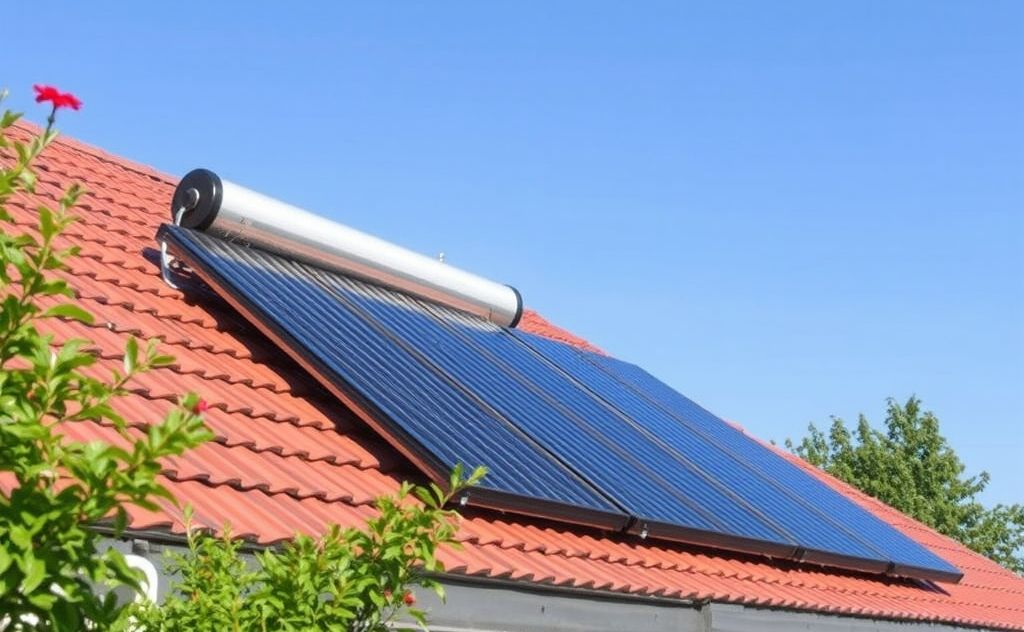
How Solar Water Heaters Work
Solar water heating systems use collectors to absorb sunlight and transfer heat to water. They come in active and passive designs, each suited for different climates and needs.
Active vs. Passive Systems
Active systems use pumps to circulate water or heat-transfer fluid through collectors. Passive systems rely on natural convection, making them simpler but less efficient.
Active System Types
- Direct circulation: Pumps water through roof collectors (best for warm climates)
- Indirect circulation: Uses antifreeze fluid (works in freezing temperatures)
Passive System Types
- Thermosyphon: Relies on natural water movement (requires roof-mounted tank)
- Integral collector-storage: Combines collection and storage in one unit
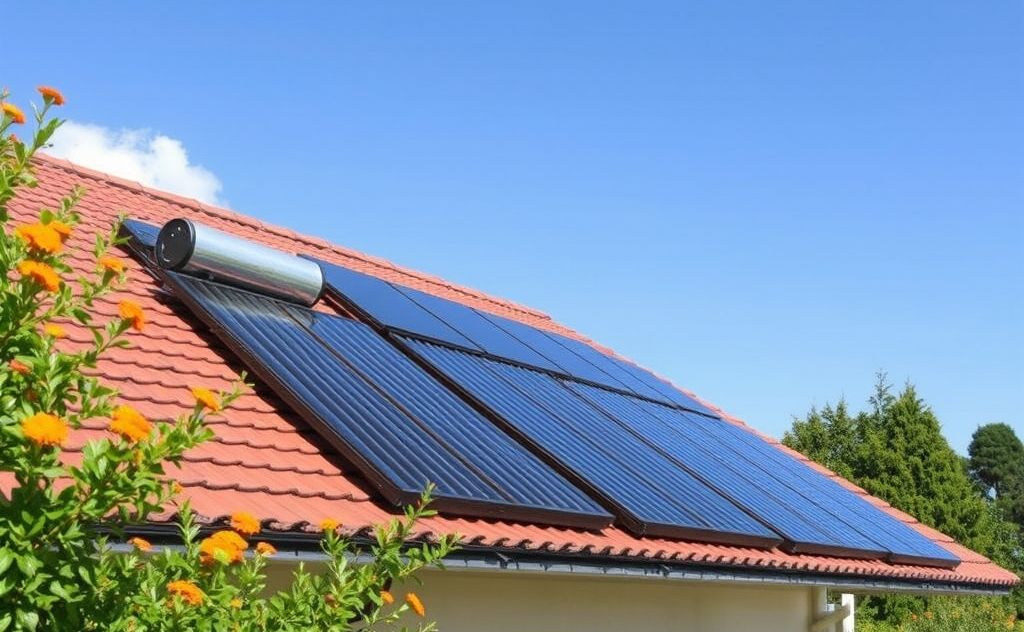
Key Benefits of Solar Water Heating
1. Significant Energy Savings
Solar water heaters can reduce water heating bills by 50-80%. According to U.S. Department of Energy, they’re most cost-effective for homes using 41+ gallons of hot water daily.
2. Environmentally Friendly
These systems produce zero emissions during operation. A typical residential installation reduces carbon dioxide emissions by 4,000 pounds annually.
3. Low Maintenance Requirements
Most systems only need inspection every 3-5 years. Passive systems require even less maintenance than conventional water heaters.
4. Energy Independence
Solar water heaters reduce reliance on utility companies. Pair them with solar window heaters for greater home energy independence.
5. Long System Lifespan
Quality solar water heaters last 20+ years – twice as long as conventional electric water heaters. Many come with 10-year warranties.
6. Government Incentives
The federal solar tax credit covers 30% of installation costs through 2032. Many states and utilities offer additional rebates.
7. Increased Home Value
Homes with solar water heaters sell for 3-4% more on average, according to National Bureau of Economic Research data.
8. Reliable Performance
Modern systems include backup heating for cloudy days. Many outperform conventional heaters in summer months.
9. Space Efficiency
Solar thermal collectors require less roof space than photovoltaic panels – typically 40-80 square feet for an average home.
10. Quiet Operation
Unlike heat pumps or tankless heaters, passive solar systems operate silently with no moving parts.
Installation Considerations
| Factor | Requirement |
|---|---|
| Roof Space | 40-80 sq.ft south-facing area |
| Sun Exposure | Minimum 4 hours direct sunlight |
| Local Climate | Freeze protection needed below 42°F |
| Water Quality | Hard water may require treatment |
Comparing Solar to Conventional Heaters
While solar water heaters have higher upfront costs ($2,500-$5,000 installed), they pay for themselves in 5-10 years through energy savings. According to EnergySaver, they’re 50% more efficient than gas or electric models.
Maintenance Tips
- Inspect collectors annually for debris
- Check pipes and connections for leaks
- Monitor system pressure monthly
- Drain and flush system every 3-5 years
For those considering alternatives, tankless water heaters offer another energy-efficient option, though with different advantages.
Related pick: Check today's price on Amazon

I am a mechanical engineer and love doing research on different home and outdoor heating options. When I am not working, I love spending time with my family and friends. I also enjoy blogging about my findings and helping others to find the best heating options for their needs.
Related guides

Solar Pool Heaters: Extend Your Swim Season & Save Money
Solar pool heaters extend swimming seasons by efficiently warming water using renewable energy, reducing heating costs, and promoting…
Can Solar Heaters Power Industrial Applications Effectively?
Yes, solar-powered heaters can be effectively used for industrial heating applications, providing sustainable energy solutions for various processes.…
Best Non-Electric Heaters for Power Outages & Off-Grid Living
Yes, there are non-electric heaters like propane, kerosene, and wood-burning stoves that provide effective heating without electricity. When…
