Discover the Best Residential Heat Pump for Year-Round Comfort!
On this page 8 sections
- Residential Heat Pump Comparison
- Top Residential Heat Pumps Reviewed
- How To Choose a Heat Pump for Your Home
- Sizing Your Heat Pump Correctly
- Running Costs Compared: Heat Pumps vs Tankless Water Heaters
- Safety, Certification, and Installation Requirements
- Why Quiet Operation and Smart Controls Matter
- Frequently Asked Questions
Residential Heat Pump Comparison
| Rank | Model | Best for | Heating Capacity (BTU) | Cooling Capacity (BTU) | Refrigerant Type | Price |
|---|---|---|---|---|---|---|
| 1 | Cooper & Hunter 15,000 BTU PTAC Heat PumpBest for Most Homes | Year-round heating and cooling in homes, apartments, and small commercial spaces | 13,500/13,200 | 14,700/14,500 | R-32 | Check price |
| 2 | Cooper & Hunter 9,000 BTU PTAC Heat PumpBest for Smaller Spaces | Heating and cooling smaller rooms like dorms, hotel rooms, or small apartments | — | 9,000 | R-32 | Check price |
| 3 | Goodman 3 TON R-32 Heat Pump SystemBest for Whole-House Systems | Whole-house heating and cooling in larger homes requiring multi-position installation | — | — | R-32 | Check price |
| 4 | Hayward HeatPro Pool Heat PumpBest for Pool Heating | Maintaining consistent temperature in in-ground pools, especially in coastal climates | 140,000 | — | — | Check price |
| 5 | Cooper & Hunter 60,000 BTU Mini Split Heat PumpBest for Large Spaces | Heating and cooling large commercial or open-plan residential spaces with flexible mounting | 60,000 | — | — | Check price |
Heat pumps are the most energy-efficient way to heat and cool your home all year. They move heat instead of generating it, cutting energy use and costs compared to traditional furnaces or AC units.

Choosing the right heat pump depends on your home’s size, climate, and installation type. This guide compares top residential heat pumps and breaks down what specs matter most for comfort and savings.
Top Residential Heat Pumps Reviewed

Cooper & Hunter 15,000 BTU PTAC Heat Pump

Cooper & Hunter 9,000 BTU PTAC Heat Pump

Goodman 3 TON R-32 Heat Pump System
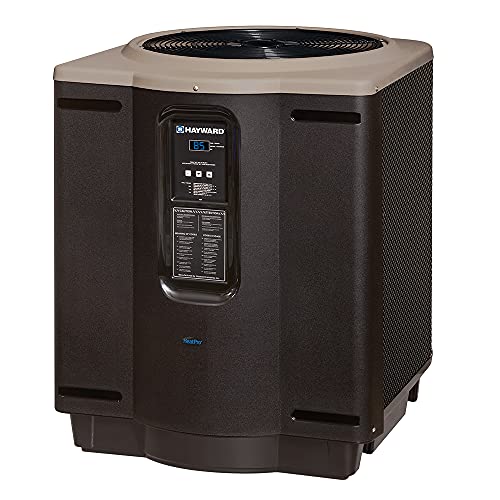
Hayward HeatPro Pool Heat Pump

Cooper & Hunter 60,000 BTU Mini Split Heat Pump
How To Choose a Heat Pump for Your Home
The best residential heat pump matches your home’s heating and cooling needs with efficiency and smart features.
Start with BTU capacity. This rating measures how much heat the pump can move per hour. A 15,000 BTU unit suits about 600 to 1,000 square feet, while larger homes may need 30,000 BTU or more. Too small and the pump runs constantly; too large and it wastes energy cycling on and off.
Look for high SEER and HSPF ratings. SEER (Seasonal Energy Efficiency Ratio) measures cooling efficiency; HSPF (Heating Seasonal Performance Factor) measures heating. A SEER above 15 and HSPF above 8 means you’re getting a system that won’t spike your electric bill.
The refrigerant type impacts efficiency and environmental footprint. R-32 refrigerant, used in many modern heat pumps, offers a lower global warming potential and better heat transfer than older types like R-410A.
Smart controls let you program schedules, adjust settings remotely, and integrate with home automation. Quiet operation is crucial since these often run all day; look for units with sound levels below 60 decibels.
In colder climates, electric backup heaters are essential. They kick in when the heat pump can’t extract enough heat from outside air. Without them, your home risks dropping below comfortable temperatures during cold snaps.
The Cooper & Hunter 15,000 BTU PTAC heat pump stands out as the best residential choice for most homes. It balances capacity, efficiency with R-32 refrigerant, smart wireless controls, and quiet operation for year-round comfort.
Energy-efficient HVAC means selecting a heat pump that fits your home’s size and climate, has high SEER and HSPF ratings, uses modern refrigerant, and supports smart management. That’s how you avoid overpaying on energy while staying comfortable.
 Heating System Upgrade PlannerChoose between a heat pump, a furnace, a boiler or a hybrid with your own numbers, and hire the right installer.Every system compared side by side25 questions for contractors, red flagsRunning-cost, payback and quote calculator (Excel)
Sizing Your Heat Pump Correctly
Sizing your heat pump right is critical for efficiency and comfort—too big wastes power, too small struggles to heat or cool.
Calculate BTU needs by multiplying your room or home square footage by a factor between 20 and 30 BTU per square foot, depending on insulation quality and climate. For example, a well-insulated 500 square-foot living room needs about 12,500 to 15,000 BTU.
Oversizing causes short cycling, where the unit turns on and off frequently, wearing parts and increasing bills. Undersizing means the heat pump runs nonstop and can’t maintain set temperatures.
Multi-position and ductless systems affect sizing too. Ductless mini splits can target specific zones, so size each indoor unit to the room it serves. Multi-position units adapt to different airflow setups, offering flexibility but requiring precise load calculations.
Modernizing HVAC with a heat pump improves efficiency only if sized properly. A correctly sized system runs longer cycles, reducing wear and saving energy, which lowers your utility bills and extends equipment life.
For whole-home installations, consult a professional load calculation or use established guidelines to match BTU capacity to your home’s square footage and insulation level. This step prevents expensive mistakes and ensures your system performs as promised.
Running Costs Compared: Heat Pumps vs Tankless Water Heaters
Heat pumps are more energy efficient than tankless water heaters because they move heat instead of generating it. A heat pump extracts heat from the air or ground, using roughly one unit of electricity to transfer three or more units of heat. That makes its coefficient of performance (COP) typically between 3 and 4. In contrast, tankless water heaters use electric resistance or gas combustion to produce hot water on demand, with an efficiency around 0.8 to 0.95 for gas models and close to 1 for electric resistance.
Electric tankless water heaters rank as the most efficient type of tankless units, converting nearly all electricity into heat. However, their operating cost depends heavily on electricity prices. Assuming a residential electricity rate of 17 cents per kWh, running a 4.5 kW electric tankless heater for an hour costs about 77 cents. Comparatively, a heat pump water heater consuming 1.5 kW with a COP of 3.5 costs about 7 cents for the same heat output (1.5 kW × 1 hr ÷ 3.5 × $0.17 = $0.07). That’s a big difference if you use hot water frequently.
Heat pump water heaters make the most sense when you want both space heating and hot water with high efficiency, especially in mild climates. Tankless water heaters are best if you only need hot water on demand and want to avoid storing it. They also require natural gas or propane for lower operating costs compared to electric resistance units.
Oil-filled radiators are less efficient than heat pumps because they rely on electric resistance heating. They draw about 1,500 watts continuously when running, which costs roughly 25 cents per hour at 17 cents per kWh. Unlike heat pumps, they don’t move heat from the environment, making them more expensive to run for space heating.
If your main goal is energy-efficient hot water, the most efficient hot water heater typically is a heat pump water heater with a high COP. Tankless models come close but use more energy overall if electric. Gas tankless heaters offer good efficiency but depend on fuel prices. For combined space and water heating, heat pumps are usually the best choice.
Safety, Certification, and Installation Requirements
Energy-efficient HVAC systems, including heat pumps, must meet strict safety and performance standards. Look for UL or ETL certification, which confirms the unit has passed safety tests for electrical and fire hazards. The AHRI certification verifies the heat pump’s performance matches the manufacturer’s claims for capacity and efficiency.
Professional installation is essential for heat pumps. Technicians ensure proper electrical wiring, refrigerant charging, and system setup. Incorrect installation can reduce efficiency, cause premature failures, or create safety hazards. HVAC pros also follow local code requirements for permits and inspections.
Clearances around indoor and outdoor units are critical. Manufacturers specify minimum distances from walls, ceilings, and combustibles to ensure airflow and prevent overheating. Electrical circuits must be sized to handle the unit’s load, usually requiring a dedicated 240 V breaker for larger systems.
Handling refrigerants like R-32 requires certified technicians because these substances are regulated due to environmental impact and safety risks. Proper recovery and disposal prevent leaks that harm the ozone layer and contribute to global warming.
Unlike gas heaters, heat pumps don’t produce combustion gases, so they don’t need carbon monoxide alarms. Still, if your home uses gas appliances, working CO alarms remain critical for safety.
If you’re shopping for efficiency, certified heat pumps with AHRI labels ensure you get the rated performance. For installation, consider expert heat pump installation services to avoid common pitfalls and keep your system running safely and efficiently for years.
Why Quiet Operation and Smart Controls Matter
Quiet operation enhances comfort, especially in bedrooms and living areas where noise can disrupt sleep or conversation. Most residential heat pumps run between 40 and 60 decibels, roughly the sound of a quiet office to normal conversation. Choosing a model with a lower decibel rating, like the Cooper & Hunter 15,000 BTU PTAC, can make a noticeable difference in daily living.
Smart controls add convenience and reduce energy waste. Smartphone apps and remote controls let you adjust settings from anywhere, so your home is always at the right temperature when you arrive. Scheduling features allow you to program temperature changes through the day, avoiding heating or cooling an empty house.
Geofencing uses your phone’s location to trigger heating or cooling only when you’re nearby, cutting costs without sacrificing comfort. Sleep modes gently lower noise and adjust temperatures overnight for uninterrupted rest, while turbo modes temporarily boost output to quickly reach your desired climate after a setback.
These features work best on heat pumps designed for year-round use with integrated smart thermostats and quiet compressors. The Cooper & Hunter 15,000 BTU PTAC stands out here, combining low noise levels with wireless smart control, making it the best residential heat pump to balance comfort, convenience, and efficiency.