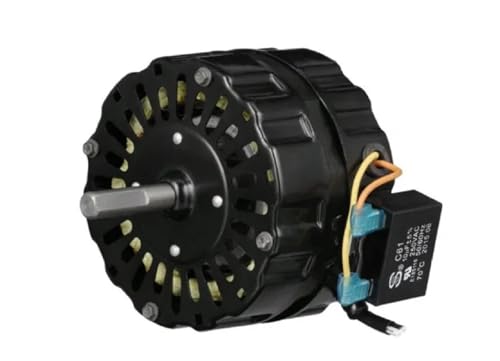
Are you tired of running out of hot water during showers? The right water heater can solve that problem efficiently—but if your home lacks a chimney or you want flexible venting, a power vented gas water heater is often the smartest choice.
The core purpose of a water heater is to provide a consistent supply of hot water for your home. Top products like the State Proline XE Power Vent Series and Ranein Natural Gas Tankless Water Heater deliver reliable performance. A key benefit is their energy efficiency, which can save you money on utility bills—but unlike atmospheric models, power vent units use an induced draft fan to push exhaust through PVC pipes, giving you far more installation flexibility.
Standout features include the State Proline’s impressive 50,000 BTU heating input and the Ranein’s instant hot water capability at 4.3 GPM. These features simplify your daily routines and enhance comfort.
In our full review, we break down performance, durability, and more—plus the installation constraints, noise levels, and electrical requirements that often get overlooked. That way, you can choose the perfect water heater for your specific home layout.
Maximum Vent Length and Termination Points
Each model has a maximum vent length—often 100 feet or less—and that limit drops when you add elbows. For example, a 90-degree elbow might count as 5 feet of equivalent length. Always consult the manufacturer’s table before designing your vent run. If you need a long run or multiple turns, choose a model with a higher BTU output or a dedicated long-vent kit. Also, the vent termination must be at least 12 inches above grade and clear of snow accumulation, and you can’t terminate near a window or air intake.
Installation Requirements and Venting Rules
Electrical Needs and Clearances
Every power vent water heater requires a 120V electrical outlet within reach of the unit’s cord—typically a dedicated circuit is recommended. Check the amperage draw (usually 2-5 amps) and make sure the outlet is grounded. Also, maintain proper clearances: at least 12 inches from the vent termination to any door, window, or intake, and follow local codes for distances from grade and building corners.
Power Vent vs. Atmospheric Vent vs. Power Direct Vent
Key Differences in Venting and Installation
An atmospheric vent water heater relies on natural convection to draw combustion gases up a metal chimney. A power vent model uses a fan to push gases through PVC pipe, which can be routed more freely. A power direct vent system goes a step further: it draws combustion air from outside through a separate pipe, so it doesn’t use indoor air at all. For most homes, a power vent is the easiest retrofit because it only needs one pipe for exhaust—but if your utility room is airtight, a direct vent might be safer.
Why Choose a Power Vent Gas Water Heater?
Power vent water heaters solve a common problem: you want a gas unit, but your home doesn’t have a chimney or an adequate draft. These systems use an induced draft fan to push exhaust gases through a plastic (PVC) vent pipe, which can run horizontally or vertically to an outside wall. That flexibility opens up installation in basements, closets, and even interior rooms where a traditional atmospheric vent wouldn’t work. But that convenience comes with trade-offs—they need electricity, they make some noise, and they have specific venting limits you must respect.
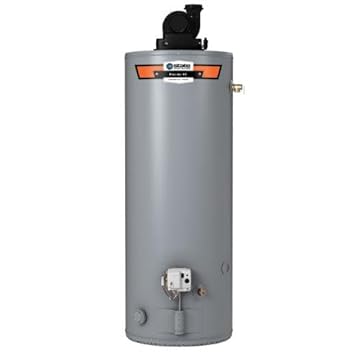
State Proline XE 50 Gallon Gas Water Heater
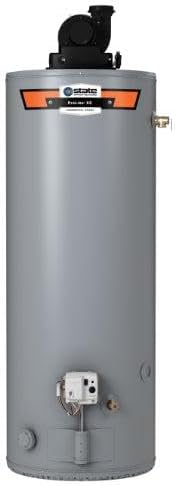
Proline XE Power Vent Series 50 Gallon Capacity: 50,000 BTU Heating Input, 96 Gallons per Hour First Hour Rating, 0.72 Uniform Energy Factor Rating, 56 Gallons per Hour Recovery at 90°F Rise. Dimensions: 68-1/8″ H x 22″ D.
Benefits
- High efficiency with a 0.72 Uniform Energy Factor, ensuring lower energy bills.
- Fast recovery rate of 56 gallons per hour, ideal for busy households.
- Large capacity of 50 gallons, providing ample hot water for multiple uses.
Drawbacks
- Requires professional installation, which may add to initial costs.
- Limited warranty compared to some competitors, which may concern long-term users.
A practical pick for large families and homes with high hot water demands. The Proline XE Power Vent is designed for efficiency and reliability, making it suitable for users looking for a robust hot water solution. However, it requires a 120V electrical connection and a dedicated circuit—something to plan for if you’re replacing an older atmospheric unit.
To buy this product, click here.
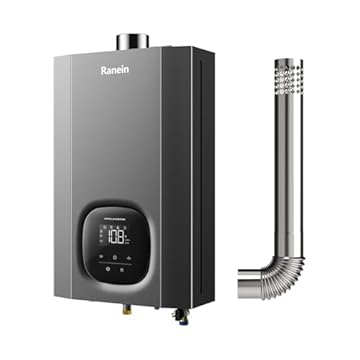
Ranein Tankless Gas Water Heater 4.3 GPM
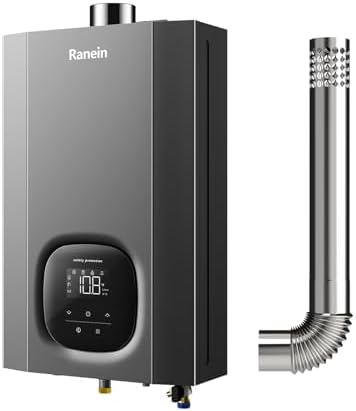
Ranein Natural Gas Tankless Water Heater: 12” long, ABS plastic, 2-year warranty.
Benefits
- Provides 4.3 GPM of hot water, suitable for multiple outlets simultaneously.
- Four Seasons Function adjusts temperature based on seasonal changes.
- Instant hot water eliminates waiting time, offering convenience.
- Energy-efficient with reduced heat loss due to the oxygen-free copper water tank.
Drawbacks
- No dishwasher-safe parts may complicate cleaning.
This unit is ideal for those in small spaces who need reliable hot water without the bulk of traditional heaters. Its compact design and efficient performance make it a practical choice for households with limited space. The included exhaust pipe saves additional costs, enhancing its value. However, installation should be performed by licensed professionals to ensure compliance with local regulations—and remember that tankless units also require electricity for their control boards and fans.
To buy this product, click here.
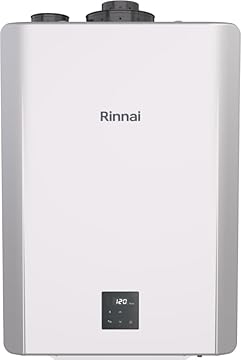
Rinnai RX130iN Tankless Water Heater
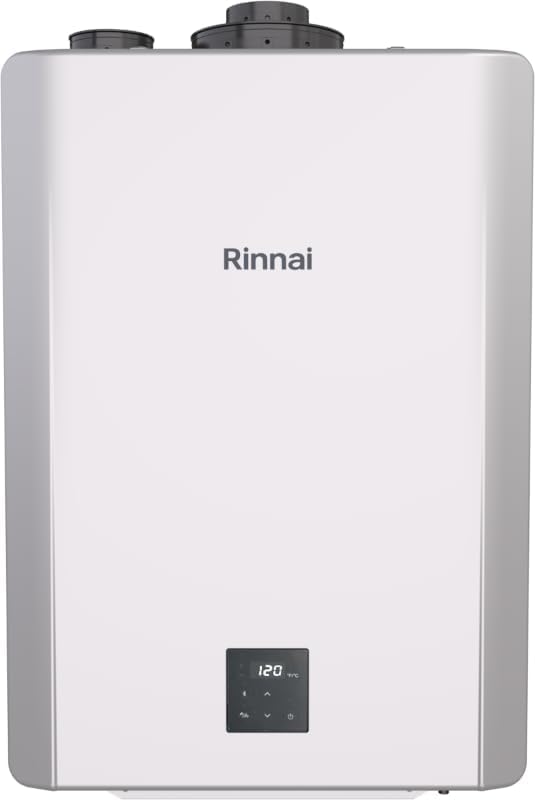
Rinnai RX130iN Condensing Smart Sense Tankless Water Heater: 12” long, ABS plastic, 2-year warranty.
Benefits
- Provides up to 7.1 GPM, supporting multiple fixtures simultaneously without running out of hot water.
Drawbacks
- Requires professional installation for optimal performance and safety.
The Rinnai RX130iN is an innovative tankless water heater that offers both versatility and efficiency. Its compact design allows for installation in tight spaces, making it ideal for homes with limited room. With the ability to deliver up to 7.1 gallons per minute, this unit can efficiently service multiple outlets at once, ensuring that you never run out of hot water during peak usage times. Like all power vent units, it requires a nearby electrical outlet; plan for that during installation.
However, the need for professional installation may deter some users, as it adds to the overall cost. Additionally, the unit’s parts are not dishwasher-safe, which could complicate maintenance for some users.
This water heater is a practical pick for small spaces and is perfect for households that prioritize efficiency and consistent hot water availability. If you’re looking for a reliable tankless solution that fits into a compact area, the Rinnai RX130iN is worth considering.
To buy this product, click here.
Rinnai CX199iN High Efficiency Tankless Water Heater
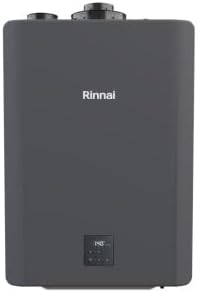
Rinnai CX199iN High Efficiency Plus Natural Gas Interior Tankless Water Heater: 11 GPM, 97% thermal efficiency, Smart Connect app compatibility, 2-year warranty.
Benefits
- Provides up to 11 GPM of hot water, ensuring you never run out during peak usage.
Drawbacks
- Professional installation recommended for optimal performance, which may add to initial costs.
The Rinnai CX199iN is designed for efficiency and convenience. Its 97% thermal efficiency rating means lower energy bills, making it a cost-effective choice for homeowners. The ability to provide up to 11 gallons per minute ensures that multiple fixtures can be used simultaneously without a drop in temperature. The Smart Connect feature allows for easy management and monitoring via a smartphone app—but note that it also needs a power source for its electronic ignition and vent fan.
However, potential buyers should note that professional installation is highly recommended, which could increase the overall investment. Additionally, while the unit is designed for flexibility with indoor and outdoor installation options, the RX-OVC vent cap is required for outdoor setups.
This water heater is an ideal pick for small spaces where efficiency and performance are paramount. Its compact design and high output make it perfect for modern homes looking to maximize hot water availability without the bulk of traditional tanks.
To buy this product, click here.
Forimo Tankless Propane Water Heater 4.21GPM
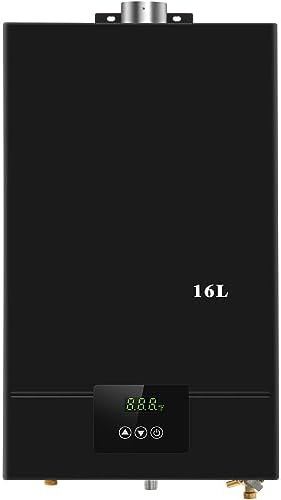
Forimo Tankless Water Heater Propane: 4.21GPM, 16L Indoor, Instant Hot Propane Gas Water Heater, Constant Propane Water Heater with Fahrenheit Digital Display, Multi-Protection (Black). This unit measures compactly for easy installation and offers a maximum temperature rise of 167°F.
Benefits
- Outputs 4.21 gallons of hot water per minute, making it suitable for simultaneous use in bathrooms and kitchens.
- Energy-efficient design saves over 50% of space compared to traditional tank heaters.
- Crafted from stainless steel and features a built-in oxygen-free copper water tank, ensuring high temperature resistance and durability.
- LED smart digital display allows effortless adjustments of temperature settings between 86°F-167°F.
Drawbacks
- No expansion tank is required, which may limit some installation options.
- Must be installed with proper ventilation to ensure safe operation.
- No dishwasher-safe parts, which may complicate cleaning for some users.
A practical pick for small spaces, the Forimo Tankless Water Heater is ideal for those seeking efficient, on-demand hot water without the bulk of traditional systems. Its robust safety features and compact design make it a reliable choice for homes, cabins, and remote apartments. But because it’s power vented, it won’t operate during a power outage—consider a battery backup or generator if that’s a concern.
To buy this product, click here.
Frequently Asked Questions About Power Vented Gas Water Heaters
1: What is a power vented gas hot water heater?
A power vented gas hot water heater uses a fan to exhaust combustion gases outside, allowing for flexible installation options and improved efficiency. Unlike atmospheric models that rely on a chimney, power vent units can vent horizontally through a wall using PVC pipe.
2: What are the benefits of using a power vented gas hot water heater?
Benefits include efficient venting, reduced risk of backdrafts, and the ability to install in locations without a traditional chimney. They also offer higher energy factor ratings and lower standby heat loss, which can reduce your annual operating costs.
3: How do I choose the best power vented gas hot water heater?
Consider factors like capacity, energy efficiency ratings, warranty, installation space, and user reviews to find the best option for your needs. Also check the maximum vent length and number of elbows your installation will require—every power vent model has specific limits that affect performance.
4: What maintenance is required for power vented gas hot water heaters?
Regular maintenance includes checking the venting system, inspecting for leaks, flushing the tank annually, and testing the pressure relief valve. For power vent models, you should also clean the vent blower and inspect the pressure switch to prevent soot buildup and premature failure.
5: Are power vented gas hot water heaters energy efficient?
Yes, they are generally more energy-efficient than traditional atmospheric models, often featuring higher Uniform Energy Factor (UEF) ratings and lower operating costs. However, they do consume a small amount of electricity to run the fan, so factor that into your total cost comparison.
6: Can I install a power vented gas hot water heater myself?
While DIY installation is possible, it is recommended to hire a professional to ensure safety and compliance with local codes.
Conclusion
The State Proline XE 50 Gallon Gas Water Heater exemplifies reliability and efficiency, catering to households with significant hot water demands. Its robust construction and advanced features ensure optimal performance and longevity, making it a commendable choice for traditional setups.
Conversely, the Ranein Tankless Gas Water Heater, with its impressive 4.3 GPM flow rate, offers unparalleled convenience and space efficiency for modern living. This innovative solution provides endless hot water on demand, appealing to those seeking a contemporary and eco-friendly alternative.

I am a mechanical engineer and love doing research on different home and outdoor heating options. When I am not working, I love spending time with my family and friends. I also enjoy blogging about my findings and helping others to find the best heating options for their needs.
Related guides

Mr Heater Buddy Not Lighting? Try These Fixes
To fix a Mr. Heater Buddy not lighting, ensure the propane tank is full, check the connection for…
Top 5 Propane Gas Patio Heaters That Will Transform Your Outdoor Space
85% of homeowners choose the best heat focusing propane gas patio heater for efficient outdoor warmth. That’s why…
How to Properly Vent a Gas Space Heater for Safety
To properly vent a gas space heater, ensure it is connected to a venting system that directs exhaust…