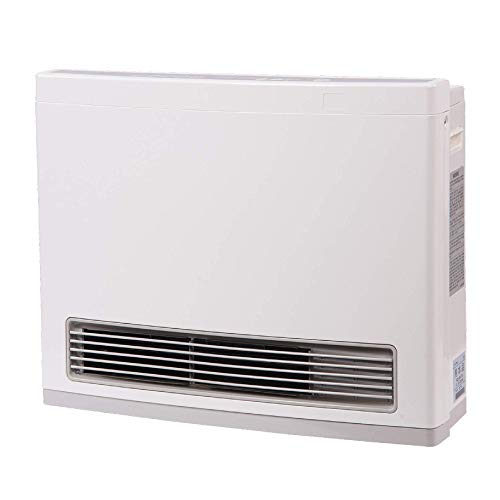
For most readers, Product 1 is the best ventless propane heater because it adds an oxygen depletion sensor, thermostat control, and wall-or-floor placement in a 10,000 BTU unit. Ventless heaters can heat a room fast, but they also add moisture and need the room size, altitude, and safety rules to fit the job.
What to remember
Pick Product 1 if you want the safest all-around fit for a bedroom, office, or smaller living room and you want wall or floor placement.
Pick Product 2 or 5 if the room is larger and you need more output, but check the space you actually have before you chase BTU numbers.
Choose Product 3 or 4 if you want programmable controls and a wall-mounted heater with professional installation in mind.
Do not buy a ventless propane heater for any space that cannot handle the manual’s clearance, oxygen, and altitude limits.
If you want backup heat during outages, a model that does not need house power can matter more than a fancy control panel.
A lot of shoppers think ventless propane heaters are all the same. The half-true part is that they all burn propane indoors without a flue; the part that matters is that BTU output, safety controls, and room size decide whether one is a good fit or a headache with a pilot light.
If you’re comparing indoor propane heaters now, the useful question is simple: which model matches your room, your gas supply, and your local rules without wasting fuel or buying more heat than the room can use?
Best for Bedrooms, offices, and living rooms up to 500 sq. ft.
Product 1 fits the widest range of small-room needs with 10,000 BTU output, thermostat control, and wall-or-floor placement. Its built-in pilot oxygen depletion sensor adds a safety shutdown, while push-button ignition and no electricity requirement help during power outages.
Heat output 10,000 maximum BTURoom size Up to 500 sq. ft.Placement Wall mount or floor with base feetIgnition Push-buttonSafety Built-in pilot oxygen depletion sensor
Why it made the cut
High, medium, and low thermostat control
Wall mount and base feet included
No electricity required
Good to know
Limited to 10,000 BTU maximum output
Propane combustion adds moisture indoors
Skip it if Skip it if you need to heat more than 500 sq. ft. or want programmable digital controls.
Best for Indoor rooms up to 700 sq. ft. that need more heat
Product 2 moves up to 20,000 BTU per hour and is rated to heat up to 700 sq. ft., making it a practical step up from a small personal heater. Battery-operated electronic ignition uses one included AAA battery, and the heater does not require electricity, venting, or a chimney.
Heat output 20,000 BTU/hrRoom size Up to 700 sq. ft.Ignition Battery operated electronic ignitionBattery One AAA battery includedInstallation No venting or chimney required
Why it made the cut
20,000 BTU per hour output
Rated for spaces up to 700 sq. ft.
Battery-operated electronic ignition
Good to know
Requires one AAA battery for ignition
No thermostat control is listed
Skip it if Skip it if your room is smaller and you mainly want thermostat control.
Best for Small rooms where programmable temperature control matters
Product 3 is the control-heavy choice, with a programmable thermostat display, digital adaptive control, and self-diagnostics. Its flame failure device, overheat switch, oxygen depletion sensor, tilt switch, and child-safe cabinet suit households that want more built-in safeguards and are prepared for professional installation.
Control Programmable thermostat displaySafety Flame failure device, overheat switch, oxygen depletion sensCabinet Cool-to-touch child-safe cabinetInstallation Professional installation recommendedDesign Ventless and ductless
Why it made the cut
Programmable thermostat display
Self-diagnostics feature
Child-safe cabinet with safety lock
Good to know
Professional installation is recommended
The product data does not list heat output or room size
Skip it if Skip it if you need a heater you can install without a technician.
Best for Homes that want digital control and multiple shutdown devices
Product 4 combines a programmable thermostat display with digital adaptive control and self-diagnostics. The flame failure device, overheat switch, oxygen depletion sensor, tilt switch, and safety-lock cabinet give it a strong safety feature set, though Rinnai recommends professional installation.
Control Programmable thermostat displaySafety Flame failure device, overheat switch, oxygen depletion sensCabinet Cool-to-touch child-safe cabinetInstallation Professional installation recommendedDesign Ventless and ductless
Why it made the cut
Programmable thermostat display
Multiple automatic shutdown devices
Cool-to-touch child-safe cabinet
Good to know
Professional installation is recommended
The product data does not list heat output or room size
Skip it if Skip it if you need a published room-size rating or heat output before choosing.
Best for Spaces up to 1,000 sq. ft. that need the highest output here
Product 5 supplies 30,000 BTU per hour and is rated to heat up to 1,000 sq. ft., so it is the largest-output pick in this group. An adjustable built-in thermostat helps manage that output, while battery ignition and no electricity requirement keep operation simple.
Heat output 30,000 BTU/hrRoom size Up to 1,000 sq. ft.Control Built-in adjustable thermostatIgnition Battery operated electronic ignitionInstallation No outdoor venting required
Why it made the cut
30,000 BTU per hour output
Rated for spaces up to 1,000 sq. ft.
Built-in adjustable thermostat
Good to know
More heat than a small room may need
No specific safety features are listed in the product data
Skip it if Skip it if your room is small or you do not need the highest heat output.
A ventless propane heater burns propane indoors without a chimney or exhaust vent, so the room must meet the manual’s size, clearance, and ventilation rules. That design sends the heat into the room quickly, but it also leaves combustion byproducts and water vapor indoors. In plain terms, propane heaters indoor ventless models can work, but only when the heater and room are a proper match.
In short
The best indoor propane heaters ventless models are indoor-rated units with an oxygen depletion sensor, a working carbon monoxide alarm nearby, and enough room for the listed BTU output. Ventless means no flue, not no rules.
An oxygen depletion sensor watches the burner flame and shuts the gas off if oxygen falls too low. A CO alarm gives you a separate warning about carbon monoxide, which the sensor does not measure. Moisture is the other practical tradeoff: burning propane produces water vapor, so condensation on windows or a damp smell means the room needs attention rather than more heater.
Altitude matters
There isn’t one universal answer to the question, “what is the max elevation for use with ventless propane heaters?” The maximum is model-specific. Combustion gets fussier as elevation rises, so check the heater’s manual for its rated maximum elevation before buying or installing it; don’t guess from the BTU label.
Use the right class of heater
Indoor-rated ventless models can be used indoors only as directed by the manufacturer and local code. An outdoor patio heater, construction heater, or tent heater is not a substitute, even if its flame looks similar. Keep a working CO alarm in the space, follow the required ventilation, and never ignore a headache, dizziness, soot, or a flame that looks wrong.
The main dangers of ventless propane heaters are carbon monoxide, oxygen depletion, excess moisture, fire, and an incorrectly sized room. Product 1’s oxygen depletion sensor and wall-or-floor placement address some of that fit, but no feature overrides the manual’s room-size and clearance requirements. For another look at indoor-rated options, see indoor safe portable propane heaters.
How To Choose The Right Size
The best-rated ventless propane heater for your room is the one whose BTU output fits the space; the highest BTU ventless propane heater is not automatically the best choice. Use room size, ceiling height, insulation, controls, and outage needs together before choosing among these five models.
Output
Best match
What to check
10,000 BTU
Smaller rooms
Product 1 fits this lower-output category; confirm the manual’s room-size minimum and maximum.
20,000 BTU
Medium rooms
The Mr. Heater 20,000 BTU Blue Flame model suits a larger space than a 10,000 BTU unit, if the room and local code allow it.
30,000 BTU
Larger rooms
The Mr. Heater 30,000 BTU Radiant model needs a genuinely larger approved space; don’t use its output to heat a small room.
BTU narrows the choice; the manual’s room-size table makes the final call.
Thermostat control helps prevent the blast-and-freeze cycle by reducing or stopping the burner as the room reaches the set temperature. Programmable controls suit regular schedules and tighter day-to-day temperature control, which is why the Rinnai FC824P and FC510P deserve attention for steady use. A fixed high-output heater can warm faster, but faster is not the same as cheaper or more comfortable.
30,000 BTU
Highest listed output here
Product 5 reaches 30,000 BTU, but its extra output belongs only in a larger room that meets the manual and local code. More flame in a small room is mostly a shortcut to cycling, stuffiness, and wasted propane.
Match the controls to the job
Battery ignition and models that don’t need household electricity are useful during outages. A programmable wall heater is usually the better fit for a room you heat on a schedule every day. If you’re comparing Amazon ventless listings, verify the exact model’s ignition, thermostat, power, and room-size details instead of relying on the listing title.
The most efficient ventless propane heater is usually the one that runs at the right output for the room and doesn’t cycle hard. A 10,000 BTU heater in a small approved room can waste less fuel than a 30,000 BTU unit that repeatedly overshoots the set temperature; the burner still has to follow the model’s controls and manual.
What The Running Cost Looks Like
The most efficient ventless propane heater is usually the one that fits the room and cycles off, not the biggest model; for best indoor propane heaters ventless, look for an indoor-rated unit with a thermostat and enough output for the space.
Worked Example
Say you run a 20,000 BTU heater for 4 hours a day for 30 days. At full input, that is 2,400,000 BTU for the month. One gallon of propane contains about 91,500 BTU, so 2,400,000 ÷ 91,500 equals about 26.2 gallons. At an assumed $3 per gallon, the bill would be about $79 for that month. Swap in your local propane price, and remember that a thermostat may cycle the burner off before four full hours of fuel use each day.
Daily use20,000 BTU × 4 hours
Monthly heat input2,400,000 BTU
Estimated propaneAbout 26.2 gallons
Example fuel costAbout $79 at $3 per gallon
Burn rate and run time set the bill. A 30,000 BTU heater uses fuel faster than a 10,000 BTU heater when both run continuously, even though it may warm the room sooner; sizing the output correctly keeps you from buying heat you don’t need.
Thermostat control can reduce run time after the room reaches its set temperature, which is usually where the savings come from. The heater doesn’t save propane merely because its cabinet looks modern. Product 1’s thermostat control is useful for that reason, while a manual-control model leaves the cycling to you.
Myth
Ventless means the heater is free to run forever because nearly all the heat stays indoors.
Fact
Ventless combustion still uses indoor oxygen and adds water vapor to the room. Efficient means more of the fuel’s heat remains indoors; it doesn’t make propane cheap or remove the need to follow the manual’s ventilation and room-size rules.
Safety And Installation Details
Ventless propane heaters can be safe only when the indoor-rated model, room, clearances, ventilation rules, and controls all match; a working carbon-monoxide alarm belongs in the room, and the manufacturer’s required clearances are non-negotiable.
Check Local Code First
Vent-free gas heaters are restricted or banned in some states and cities. Check your local building or fuel-gas rules before buying, even if a retailer lists the product under “propane heaters indoor ventless.” A store category is not approval for your room.
Keep an outdoor, patio, torpedo, or construction heater outdoors. Only an indoor-rated propane heater belongs inside, and the installation still has to follow its manual for room size, placement, fuel connection, and clearance from curtains, furniture, walls, and other combustibles.
Professional Installation
Product 3, the Rinnai FC824P, and Product 4, the Rinnai FC510P, recommend professional installation. That’s the right call for wall-mounted gas heat and gas connections; use a qualified professional rather than improvising fittings or relocating a gas line.
Before You Turn It On
Confirm the model is rated for indoor use and permitted by local code.
Measure the room and verify the manual’s minimum room size and clearances.
Install and test a working carbon-monoxide alarm nearby.
Check the propane connection for the fitting and pressure specified by the manual.
Keep the heater away from curtains, furniture, bedding, and foot traffic.
Never use the heater for sleeping or leave it unattended unless the manual explicitly allows it.
If the model needs electricity for ignition or controls, plug it directly into a wall outlet—never an extension cord or power strip.
Stop using the heater if you smell propane, the flame behaves abnormally, the carbon-monoxide alarm sounds, or the unit repeatedly shuts down. Turn off the fuel supply when safe, leave the area, and have the installation checked; don’t defeat an oxygen-depletion or tip-over safety device to keep the flame going.
What Competitors Leave Out
A ventless propane heater should be chosen by its model specifications, not the brand name in the search box. There is no single maximum elevation for every ventless propane heater; many manuals limit use to about 4,500 feet, while the actual model label and manual control the answer.
Searching for a Martin propane heater? Compare the proposed heater’s BTU output, listed room size, oxygen-depletion sensor, thermostat or other controls, clearances, and installation method. The right heater fits your room and local code; a familiar name cannot fix a poor match.
In short
Altitude limits are model-specific, so check the manual before buying or installing above the stated elevation. Also confirm whether the heater mounts to a wall, stands on base feet, and operates during a power outage.
Altitude changes how much oxygen is available for combustion, which is why the manual may reduce the approved elevation or require a different setup. Wall mounting saves floor space but fixes the heater’s location; base feet make placement easier, while clearance rules still apply. A heater that works without house power may use a standing pilot or mechanical controls, but electronic ignition, a fan, or programmable controls can require electricity—verify that detail rather than guessing.
Match The Type To The Job
Small-room portable: choose it for a modest room and occasional heat; skip it if you need whole-room coverage or fixed installation.
Medium-room blue flame: choose it when you want broader room heating from a 20,000 BTU class model; skip it if the room is too small or poorly matched to that output.
Large-room radiant: choose the 30,000 BTU class for directed heat and a larger approved room; skip it where people or furniture can’t meet the listed clearances.
Programmable wall heater: choose it for scheduled, fixed-location heating; skip it if you need dependable heat during outages and the manual requires house power.
The ProCom Heating Liquid Propane Ventless Infrared Plaque Heater suits buyers who want flexible wall-or-floor placement and thermostat control in a 10,000 BTU unit. For a larger room, compare the Mr. Heater blue-flame and radiant models by their listed room limits, then check elevation and installation rules before the cart gets involved.
Questions People Ask
What is a ventless propane heater?
A ventless propane heater burns propane inside the room without sending exhaust through a chimney or flue. That makes installation simpler, but combustion adds water vapor and requires the room, clearances, ventilation, and model rating to match the manual.
Are ventless propane heaters safe indoors?
They can be used indoors only when the heater is specifically indoor-rated and installed as directed. Keep a working carbon-monoxide alarm nearby, maintain the required clearances and ventilation, and stop using the heater if the flame looks abnormal, the room becomes damp, or the alarm sounds.
What is the max elevation for use with ventless propane heaters?
The maximum elevation depends on the specific heater, so the manual is the authority. Higher elevations can change combustion because the air contains less oxygen; don’t assume a model approved at sea level is approved at your location without checking its altitude limit or adjustment instructions.
How do I size a ventless propane heater for my room?
Match the heater’s BTU output to the room size and the manufacturer’s sizing table, then account for insulation, ceiling height, outdoor exposure, and altitude. A 10,000 BTU heater may suit a smaller room than a 30,000 BTU model; oversizing can cause short cycling, excess heat, and more moisture.
Do ventless propane heaters need electricity?
Many ventless propane heaters can produce heat without household electricity because propane supplies the heat and the controls may be mechanical or battery-operated. Check the model before buying: electronic ignition, a blower, or a digital thermostat may require batteries or an outlet even when the burner itself does not.
Can I install a ventless propane heater myself?
A portable model may only need the approved propane connection and the clearances listed in its manual, but local rules still control where it can operate. Fixed gas piping, regulator work, leak testing, or wall installation should be handled by a qualified gas professional, and vent-free heaters are restricted or banned in some locations.