In House Heating Systems Cost About 12 Cents an Hour to Run
On this page 8 sections
- Heating Systems Comparison
- Top Heating Systems for Home Comfort
- Choosing the Right Heating System for Your Home
- How to Size Your Heating System Correctly
- Understanding Running Costs and Energy Efficiency
- Electric Floor Heating Systems for Consistent Comfort
- Safety and Certification You Should Never Skip
- More Questions, Answered
Heating Systems Comparison
| Rank | Model | Best for | Heat Output | Room Size Coverage | Energy Efficiency | Price |
|---|---|---|---|---|---|---|
| 1 | Mountman Mini Split AC/Heating System 12000 BTUBest for Most Homes | Heating spaces up to 750 sq. ft. with quiet, energy-efficient operation | 12,000 BTU | Up to 750 sq. ft. | Inverter technology with ECO mode | Check price |
| 2 | DREO Portable Electric Space Heater 1500WBest Portable Heater | Fast heating of small to medium rooms up to 200 sq. ft. | 1500 W | Up to 200 sq. ft. | PTC ceramic heating, ECO mode | Check price |
| 3 | DREO Large Room Electric Heater 1500WBest for Large Rooms | Heating living rooms or offices up to 250 sq. ft. quietly and safely | 1500 W | Up to 250 sq. ft. | PTC ceramic heating, ECO mode | Check price |
| 4 | LuxHeat 45sqft Electric Floor Heating Cable KitBest Underfloor Heating | Adding electric radiant floor heat to tiled or laminate floors up to 45 sq. ft. | 540 W | 45 sq. ft. | Radiant floor heating, low EMF | Check price |
| 5 | LuxHeat 40sqft Radiant Floor Heating SystemBest for Tile Floors | Underfloor heating with waterproof membrane for 40 sq. ft. tiled areas | 480 W | 40 sq. ft. | Radiant floor heating, low EMF | Check price |
Choosing the right house heating system means balancing comfort, efficiency, and your home’s size. This guide highlights top picks that suit various needs and budgets, from mini splits to electric floor heating.
You’ll find clear specs and practical advice to help you pick a system that heats effectively without wasting energy or money.
Top Heating Systems for Home Comfort

Mountman Mini Split AC/Heating System 12000 BTU

DREO Portable Electric Space Heater 1500W
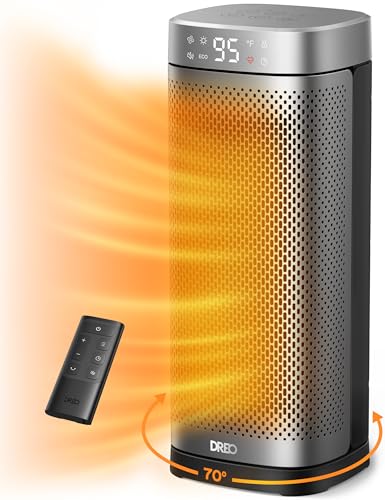
DREO Large Room Electric Heater 1500W

LuxHeat 45sqft Electric Floor Heating Cable Kit

LuxHeat 40sqft Radiant Floor Heating System
Choosing the Right Heating System for Your Home

Choosing the right heating system depends on your home’s size, insulation, and your budget. Efficient systems save money and keep you comfortable, but the best choice balances upfront cost, running expenses, and how well it heats your space.
Matching heating capacity to room size is essential. Heating systems are rated by BTUs or watts, which measure their heat output. A system too small won’t warm the space adequately, while one too large wastes energy and may cause uneven temperatures or excessive cycling.
Energy efficiency ratings help cut costs and environmental impact. Look for the Annual Fuel Utilization Efficiency (AFUE) for furnaces, Seasonal Energy Efficiency Ratio (SEER) for heat pumps, or Energy Star labels. High-efficiency systems use less fuel or electricity for the same heat output, saving you money over time.
Mini split heat pumps like the Mountman 12000 BTU heat efficiently and quietly, making them a good option for many homes. They offer flexible installation and can cool as well, but their upfront cost is higher than simple electric heaters.
High-efficiency heating systems like inverter-driven mini-split heat pumps deliver precise, energy-saving heat in most homes. In contrast, baseboard electric heaters or oil-filled radiators suit smaller spaces or supplemental heating. The most efficient home heating system for you balances fuel type, installation cost, and operating expenses.
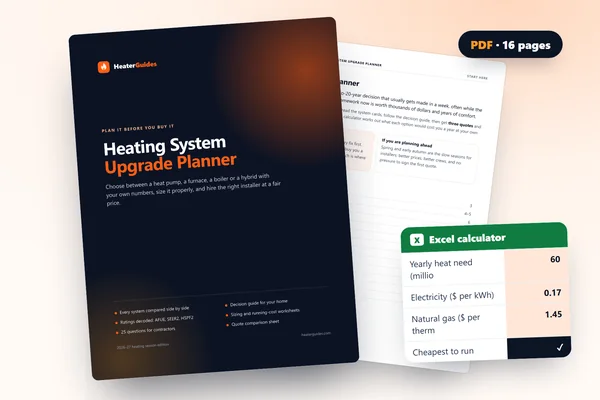 Heating System Upgrade PlannerChoose between a heat pump, a furnace, a boiler or a hybrid with your own numbers, and hire the right installer.Every system compared side by side25 questions for contractors, red flagsRunning-cost, payback and quote calculator (Excel)
How to Size Your Heating System Correctly
Sizing your heating system starts with calculating the square footage of the area to heat. Measure length by width of each room and sum the totals. This gives the baseline for how much heat the system must supply.
To size your heating system, calculate your home’s heat loss in BTUs per hour. For example, a 1,500 sq ft well-insulated house in a moderate climate might need about 30,000 BTU/hr. Oversizing wastes energy; undersizing leaves you cold.
Insulation and climate zone strongly affect heat loss. Well-insulated homes in mild zones require less output. Conversely, older homes with drafty windows or colder regions require a bigger system to maintain comfort. Factor these by adjusting BTU estimates accordingly.
For floor heating system installation, accurate sizing is critical to avoid uneven warmth or wasted energy. Radiant floor systems are rated by watts per square foot, typically 10 to 15 W/sq ft for bedrooms and living rooms. A 300 sq ft living room might need a 3,000 to 4,500 W system.
Choosing the best heating system for your home means preventing undersized units that struggle or oversized ones that cycle too often. Calculations based on square footage, insulation, and climate guide you to a system that keeps your rooms consistently comfortable without high energy bills.
For more detailed advice on picking the right heating system, consider consulting a buying guide that matches system types to your specific needs Discover the Best Heating for Your House This Winter.
Understanding Running Costs and Energy Efficiency
Running costs depend on the fuel type and system efficiency. Electric heaters use about 1,500 W, so running 8 hours a day at 17 cents per kWh costs roughly $2.04 daily. Propane heaters burn about 1 gallon per 10 hours; at $3.50 per gallon, that’s 35 cents an hour.
To estimate running costs, start by knowing your heater’s power rating in watts. For electric resistance heaters, multiply watts by hours used, then divide by 1,000 to get kilowatt-hours (kWh). At a typical US electricity rate of 17 cents per kWh, 1,500 watts running for 8 hours equals 12 kWh, costing about $2.04 per day.
Compare that to a heat pump rated at 3 COP (Coefficient of Performance). It uses about one-third the electricity to deliver equivalent heat. So, 1,500 watts of heat output would need only 500 watts input, costing roughly 68 cents for 8 hours at the same rate.
Fuel-burning heaters like propane or natural gas require different calculations: multiply the burn rate by fuel price and hours of use. For example, a propane heater burning 1 gallon per 8 hours at $3 per gallon costs $3 per day, but efficiency varies widely by model.
Look for energy-saving features: programmable thermostats cut costs by reducing heat when you’re away or asleep. ECO modes adjust output to maintain comfort without waste. These features work well with heat pumps and modern electric heaters alike.
High-efficiency heating and cooling systems combine efficient heat transfer with smart controls. Models certified by ENERGY STAR or with variable-speed compressors usually save you money long term, even if they cost more upfront.
Electric Floor Heating Systems for Consistent Comfort
An electric floor heating system uses electric cables or mats installed beneath the floor surface to warm the room evenly from the ground up.
These systems work best under tile, stone, or laminate floors because those materials conduct heat well. Installation generally involves embedding heating cables in thinset mortar or using pre-made mats that stick to the subfloor before laying the finish floor.
Programmable thermostats let you schedule heating times and maintain a steady temperature, improving comfort and saving energy. Most systems also include built-in safety features like ground-fault circuit interrupters to prevent electrical hazards.
Electric radiant floor heating uses energy efficiently by warming the room’s occupants and surfaces directly, rather than heating the air. This means you can feel comfortable at lower air temperatures, reducing overall energy use.
To find the best underfloor heating system, pick a kit sized for your floor area and compatible with your floor type. Make sure it includes a dependable thermostat and straightforward installation steps. The LuxHeat 40sqft Electric Radiant Floor Heating System meets these requirements for many rooms.
Safety and Certification You Should Never Skip
Choosing the best heating and cooling systems for your home means considering safety features first. These systems often use sensors to manage heat output and prevent hazards, ensuring reliable and secure operation.
Tip-over and overheat protections are critical safety features for electric space heaters and portable units. The tip-over switch cuts power instantly if the heater falls over, stopping potential fires. Overheat protection turns off the heater if internal temperatures rise too high, preventing damage and danger.
Look for certifications from UL, ETL, or CSA when buying any heating system. These marks confirm the product has passed rigorous safety and performance tests. Without them, a heater might lack essential safeguards or quality controls.
Fuel-burning heating systems, including propane, kerosene, and natural gas models, pose a carbon monoxide (CO) risk if not ventilated properly. These units must have oxygen depletion sensors indoors to shut down if oxygen runs low, reducing CO buildup.
Proper ventilation is non-negotiable with fuel-burning heaters. Exhaust gases must vent outdoors, and indoor spaces need sufficient air exchange. A working carbon monoxide detector in the same room, tested regularly, is your last line of defense against silent CO poisoning.
Electric heaters use sensors that regulate temperature by cycling the heat on and off. This helps maintain a steady room temperature without overheating. Fuel-burning systems rely on sensors to monitor flame and oxygen levels, shutting down if conditions get unsafe.
Following manufacturer installation guidelines and local codes for venting and clearance is essential. Never use outdoor or construction heaters indoors; they lack safety features for enclosed spaces.