Most heating and cooling failures in Salt Lake City start with a dirty filter or thermostat issue. Check these first before moving on to more complex repairs to restore your system’s function quickly.
When your heating or cooling system stops working, it can turn your home into an uncomfortable place fast. The most common cause is surprisingly simple: clogged air filters or thermostat problems. These two issues alone cause about 60% of service calls in Salt Lake City.
Understanding the typical causes and how to test them can save you time and money before calling a technician. This article walks you through quick checks and fixes for the most frequent heating and cooling breakdowns in Salt Lake City homes.
What to remember
Start troubleshooting with the air filter and thermostat — they cause most common failures.
Check power supply and circuit breakers before assuming a mechanical fault.
Thermocouples and igniters often fail in gas furnaces; test them before replacing.
Dirty coils or refrigerant leaks reduce cooling efficiency and need professional repair.
Call a licensed technician if you smell gas, your system won’t ignite, or repairs require wiring or refrigerant handling.
Heating and Cooling Repair in Salt Lake City
Most heating and cooling problems in Salt Lake City homes start with simple issues like dirty filters, thermostat errors, or power supply glitches. Checking these first can save you time and money before calling a professional.
Gas and Electrical Safety
Never attempt repairs on gas furnaces or electrical components without shutting off power and gas supply first. Carbon monoxide risks and electrical shocks are real dangers if you skip this step.
60-Second Spot Checks Before Repair
Confirm the thermostat is set to heating or cooling mode and the temperature is above or below room temperature accordingly.
Look at the air filter—if it’s clogged or dirty, replace it.
Check the circuit breaker or fuse box for tripped breakers or blown fuses.
Make sure the outdoor AC unit isn’t blocked by debris or plants.
Inspect visible wiring for damage or loose connections.
1
Test the Thermostat
Set the thermostat to a temperature that should trigger heating or cooling. If the system doesn’t respond, replace batteries if it’s battery-powered or check the wiring connections behind the thermostat.
2
Inspect and Replace Dirty Filters
Remove the air filter and hold it up to light. If you can’t see light clearly, replace it. Dirty filters reduce airflow and cause the system to overheat or freeze up.
3
Check Power Supply
Reset tripped breakers or replace fuses. Confirm the heater or AC is plugged into a proper outlet without extension cords.
Furnace problems often include failure to ignite, frequent cycling, or no heat output. A common fix is cleaning or replacing the flame sensor and ensuring the pilot light or igniter works properly. For air conditioners, lack of cooling usually comes from low refrigerant, dirty coils, or a malfunctioning fan motor.
Worked Example
Your furnace isn’t heating, and the thermostat reads 70°F but the room feels cold. You check the filter—it’s black and clogged. Replace the filter and reset the system. After this, the furnace runs and warms the room as expected.
Room15 × 20 ft
Filter ConditionClogged
ResultFurnace runs normally after filter chang
Heating repair services in Salt Lake City typically begin with these basic checks since they identify over 70% of common failures. If these steps don’t fix the problem, deeper issues like a faulty thermostat board, motor failure, or gas valve problems might be the cause.
Salt Lake City homes often face dry winter air and temperature swings, which can strain heating and cooling systems. Regular maintenance and quick troubleshooting keep your system running efficiently through the season.
Start with these simple checks to avoid unnecessary expenses and downtime. When in doubt or if you smell gas, call a licensed professional immediately.
Parts and Tools to Fix Common HVAC Issues
Basic replacements for troubleshooting heating and cooling problems
Corrosion Resistant
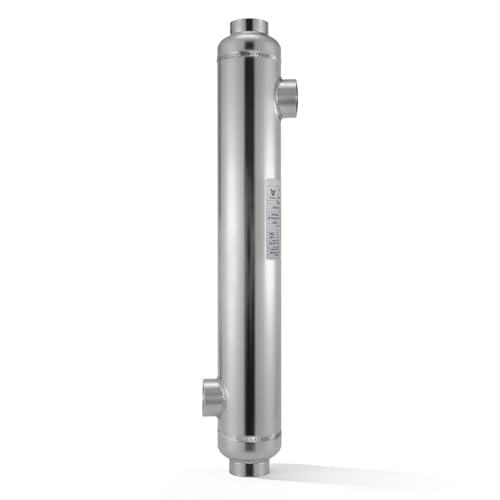
AB Titanium Salt Water Heat Exchanger 85kBtu
This heat exchanger uses 99.99% pure titanium, which resists corrosion better than stainless steel. It’s designed for salt water heating and cooling applications where long-term durability and leak resistance are essential.
Check the Thermocouple and Igniter Before Buying Parts
The thermocouple is a simple safety device that detects whether your gas furnace pilot light is lit and signals the gas valve to stay open. If it’s faulty, the furnace won’t heat properly or at all.
1
Turn off the gas and power to the furnace
Before inspecting the thermocouple or igniter, switch off the furnace’s power at the breaker and close the gas valve to avoid hazards.
2
Locate the thermocouple
It’s a thin metal rod positioned near the pilot light, connected to the gas valve by a copper tube.
3
Test the thermocouple
Use a multimeter set to millivolts. Heat the thermocouple tip with a lighter or pilot flame and check for a reading around 25-30 mV. No or very low reading means replacement is needed.
4
Inspect and clean the igniter
A dirty or cracked igniter won’t spark properly. Use fine sandpaper or steel wool to gently clean it, or replace it if visibly damaged.
5
Restore power and gas
Turn the gas valve and breaker back on and test the furnace to confirm the ignition system works.
Safety Steps for Gas Furnace Ignition
Never work on the furnace while power or gas is on. Always ensure good ventilation and have a carbon monoxide detector running. If you detect gas smells or are unsure, call a professional immediately.
A heating capacitor controls the fan motor and sometimes the compressor in HVAC units. If the fan doesn’t start or hums loudly, or there’s a burning smell, the capacitor likely needs replacement.
For heating repair services in Salt Lake City, local HVAC pros usually handle thermocouple and igniter issues quickly. They have the tools and parts, so if your tests fail or you’re uneasy working near gas, it’s safer and often more cost-effective to call them.
Replace Dirty Filters and Clean Coils to Improve Efficiency
Dirty air filters and coils are the sneaky reason your heating and cooling feel weak and your energy bills climb.
1
Check the air filter
Locate the filter in your furnace or air handler. Pull it out and hold it up to a light. If you can’t see much light through it or it’s covered in dust, it needs replacement.
2
Replace the filter
Buy a filter matching the size and MERV rating your system requires. Slide the new filter in the same orientation as the old one. Replace every 1-3 months depending on use and air quality.
3
Inspect evaporator and condenser coils
Evaporator coils are inside the air handler; condenser coils are outside the home on the AC unit. Look for dirt, dust, or debris clogging the fins.
4
Clean coils if lightly dirty
Use a soft brush or coil cleaner spray designed for HVAC coils. Avoid bending the fins. Rinse gently with water if instructions allow.
5
Call a pro for heavy buildup
If coils are deeply clogged, bent, or you’re unsure, professional coil cleaning ensures no damage and better efficiency.
Energy Efficient Heating and Cooling
Clean filters and coils reduce the system’s workload and electricity use. A 1/8 inch layer of dust on coils can increase energy use by 21%.
Efficient heating and cooling come from unrestricted airflow and proper heat exchange. Neglected filters and coils block airflow, causing uneven heating, frequent cycling, and higher wear on components.
When to Call a Licensed HVAC Technician or Replace Your System
Signs like a persistent gas odor, repeated failure to ignite, or visible refrigerant leaks mean it’s time to call a licensed HVAC technician. These issues aren’t just inconvenient; they can be dangerous and are governed by strict safety codes in Salt Lake City.
Gas Odor and Safety
A gas smell demands immediate professional attention. Don’t try to fix this yourself or delay calling a pro. It risks fire, explosion, and carbon monoxide poisoning.
Heating repair services in Salt Lake City are your best bet for handling complex problems safely and legally. Licensed techs ensure all work meets local codes, protecting your family and your home.
When to Call a Pro
Gas odor inside or near the furnace
Furnace won’t ignite after multiple attempts
Refrigerant visible or suspected leak
Repeated cycling or short-cycling
Strange noises or burning smells
Electrical issues beyond resetting breakers
Deciding between repair and replacement comes down to cost, age, and reliability. A good rule: If repair costs exceed 50% of a new unit’s price and your system is older than 10–15 years, replacement is usually smarter.
Older furnaces and AC units lose efficiency and break down more often. Newer models save energy and can reduce your heating and cooling bills in Salt Lake City’s cold winters and hot summers.
Factor
Repair
Replacement
Cost
Often cheaper short term
Higher initial cost, long term savings
System age
Better if under 10 years
Better if over 15 years
Efficiency
May improve slightly
New unit much more efficient
Reliability
Temporary fix
Long-term solution
Comparing repair and replacement for heating and cooling systems
Local licensing and safety codes require that more involved repairs—especially anything involving gas lines, refrigerant, or electrical systems—must be done by licensed professionals. This ensures compliance and safety.
For the best heating and cooling repair in Salt Lake City, choose licensed services with solid customer feedback and clear guarantees. They handle everything from minor fixes to full replacements with the expertise and permits needed.
Final 60-Second Checklist Before Buying Parts or Calling a Technician
Quick Pre-Service Checklist
Check that the breaker or fuse for your heating or cooling system is on and hasn’t tripped
Verify the thermostat is set to heat or cool, and replace batteries if it uses them
Inspect the air filter for dirt or clogging and replace if needed
Look around the unit for visible damage, water leaks, or refrigerant stains
Listen for unusual noises like banging, rattling, or humming
Sniff for any strange odors such as burning or gas smell
This quick check often solves common problems or helps you explain the issue clearly when you call the best heating and cooling repair in Salt Lake City. It prevents unnecessary parts purchases and speeds up technician visits.
Many failures trace back to simple fixes: a tripped breaker, dead thermostat batteries, or a dirty filter. Confirm these before buying parts or setting up a service call.
If everything here looks normal but your system still won’t run properly, it’s time to contact a licensed professional. Providing them with this checklist’s info reduces diagnostic time and cost.
Questions People Ask
How do I know if my HVAC system needs repair or replacement?
Look for frequent breakdowns, rising energy bills, or uneven heating and cooling. If your system is over 15 years old and requires costly repairs repeatedly, replacement is usually more cost-effective and energy-efficient than repair.
What are the safest steps to troubleshoot a gas furnace?
Start by checking the thermostat settings and power supply. Inspect the pilot light or electronic igniter for proper function, and never attempt to work on gas components without turning off the gas supply and power first.
Can I fix my air conditioner if it’s not cooling well?
If the air conditioner runs but doesn’t cool well, start by cleaning or replacing the air filter and checking the outdoor unit for debris. Refrigerant issues or compressor problems require a licensed technician for safe and correct repair.
How often should I replace my HVAC air filters?
Replace standard filters every 1 to 3 months depending on use and air quality. Homes with pets or allergies may need filter changes more often to maintain airflow and system efficiency.