For a heater core flush kit, choose a physical backflush tool only after checking that its connections fit your vehicle’s heater hoses and that you can control the water pressure. The supplied product details don’t establish a best-fitting kit, so no specific model can be responsibly named as the top pick.
Key takeaways
Match the tool’s connectors to your vehicle’s heater-hose size and connection style before ordering.
Weak cabin heat alone doesn’t prove the heater core is clogged; check engine temperature and coolant level first.
Use a backflush tool for controlled water flow, not maximum pressure.
Choose a cleaner for the suspected deposits and confirm it suits your cooling-system materials.
Stop if flushing reveals a leak, and don’t treat a bypass kit as a cleaning tool.
Buying the wrong part can leave you with a cleaner instead of a tool, or a bypass fitting that blocks cabin heat rather than clearing a core. A forceful flush can also turn a restricted core into a leaking one.
The picks provided for this page are electric room heaters, not automotive flush equipment. They can’t be ranked honestly for this job; the guide below explains what to verify before buying a flush tool or cleaner.
No Verified Flush Kit Picks
#1Not A Flush Kit
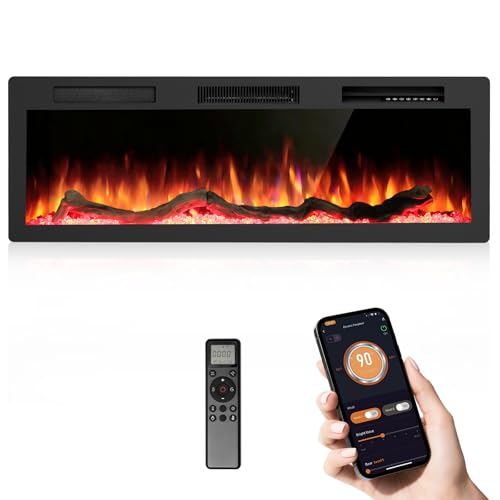
R.W.FLAME 50-Inch Electric Fireplace
Best for Supplemental heat and flame effects in a room
This recessed or wall-mounted electric fireplace offers 750 W and 1,500 W heating modes, plus adjustable flame colors and speeds. Those features suit room heating and decor, not flushing a vehicle’s heater core.
Heating modes 750 W and 1,500 WCoverage Up to 400 square feetInstallation Wall-mounted or recessed
Why it made the cut
750 W and 1,500 W heating modes
Wall-mounted or recessed installation
Good to know
Not an automotive flush tool
No heater-hose connections or water-pressure controls listed
Skip it if Skip it if you need to flush a heater core; it is an electric fireplace.
Best for Portable supplemental heat in a small room
The 1,500 W ceramic heater has a thermostat, remote, timer and listed tip-over shutoff. Those are room-heater features; the supplied details say nothing about connecting it to a cooling system.
Power 1,500 WCoverage Up to 200 sq.ftTimer 24H
Why it made the cut
1,500 W power
Thermostat and remote control
Good to know
Not a flush kit
No heater-hose fittings or pressure-control details
Skip it if Skip it if your goal is clearing deposits from a vehicle heater core.
Best for Portable supplemental heat for an office or bedroom
Its 1,500 W PTC ceramic system, thermostat and remote are intended for heating indoor spaces. The product details do not identify any automotive fittings or a way to regulate flushing water.
Power 1,500 WNoise level 34dBThermostat range 41-95℉
Why it made the cut
1,500 W PTC ceramic heating
Thermostat range of 41–95℉
Good to know
Not an automotive tool
No flush-kit connections or pressure specifications
Skip it if Skip it if you need equipment for a heater-core backflush.
Best for Wall-mounted or recessed supplemental room heat
This electric fireplace has adjustable heating output and a built-in thermostat, with Alexa and Google Home compatibility. It is designed for a room opening, not a vehicle’s heater hoses.
Heating output 750W/1500WThermostat range 62F to 82FOpening fit 49″ x 15″ x 6″
Why it made the cut
Wall-mounted or recessed installation
750 W and 1,500 W output settings
Good to know
Not a heater-core flushing tool
No automotive connections or water-pressure information
Skip it if Skip it if you came here to choose an automotive flush kit.
Best for Portable supplemental heat in a large room
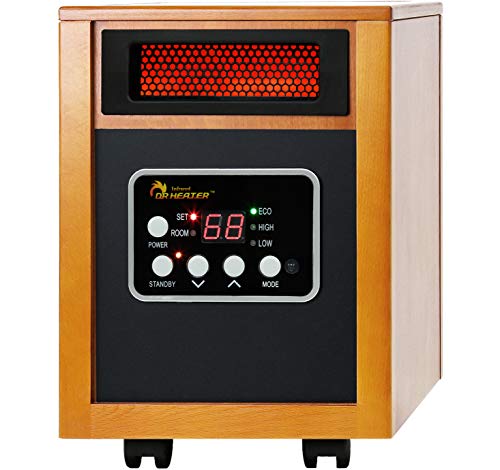
The DR-968 combines an infrared quartz tube and PTC heating, with a thermostat and caster wheels. Those features address indoor room heat, not heater-core cleaning or hose compatibility.
Power 1500 WattsAmperage 12.5 AmpsThermostat range 50 to 85 degrees
Why it made the cut
1,500 W power
Tip-over and overheat protection
Good to know
Not an automotive flush kit
No heater-hose fittings or flushing-pressure details
Skip it if Skip it if you need a tool to circulate water through a vehicle heater core.
A heater core flush kit is physical hardware that connects to the heater-hose circuit and directs water through the core; which physical flush kit fits your vehicle depends on its hose connections, not a universal fit claim. Check your service information and measure the connection before buying.
Myth
A flush gun, chemical cleaner, and bypass kit all clean the heater core.
Fact
They do different jobs: a physical flush tool connects to the heater hoses and sends water through the core; a chemical cleaner is added to coolant; a bypass kit routes coolant around the core rather than cleaning it.
Check Before You Buy
Measure the heater-hose inside diameter and identify the connection style at the core or hose ends.
Confirm the tool includes adapters for those connections; a listed 5/8-inch or 3/4-inch fitting alone doesn’t prove it fits your vehicle.
Check how the tool connects to a hose or garden hose, and whether it has a valve or trigger to control flow.
Look for instructions that specify a pressure limit, and follow that limit.
Compare the measurements and connection details with your vehicle’s service information.
No supplied product is a verified physical flush kit, and there’s no model-specific fitment data to compare. That means a ranked list of kits or a claim that one model fits your car wouldn’t be supported by the available information.
The named products are chemical cleaners, not flush-tool hardware: Prestone AS105 is listed as 22 oz, BlueDevil Radiator Flush as 32 oz, Irontite Thoro-Flush as 16 oz powder, and Motor Medic C1412 as 11 oz. The available evidence doesn’t establish comparative cleaning results, vehicle compatibility, or a universally best cleaner; use a heater core flush chemical buying guide only if you’re choosing a cleaner rather than a tool.
Check the Cause of Weak Cabin Heat First
Weak cabin heat can point to restricted heater-core flow, but it doesn’t confirm a clog by itself. To tell whether the heater core may be clogged, compare the two heater hoses at operating temperature using a safe method; a substantial temperature difference is a clue, not a diagnosis. Low coolant, air in the cooling system, a thermostat problem or an HVAC blend-door fault can also reduce heat, and a flush won’t fix those faults.
1
Check coolant when the engine is cold
Use the vehicle manual to find the coolant reservoir and its proper level marks. Never open a hot cooling system; pressurized coolant can cause severe burns. Look around the reservoir, hoses and beneath the vehicle for visible leaks.
2
Confirm normal operating temperature
Follow the vehicle-specific guidance and watch the temperature gauge as the engine warms. An engine that doesn’t reach its normal operating temperature may have a thermostat problem, so don’t assume the heater core is blocked.
3
Compare the heater hoses safely
Once the engine is at operating temperature, use a safe method to assess both heater hoses; don’t touch hot hoses or reach near moving parts. A substantial temperature difference can suggest restricted coolant flow through the core, but low coolant, trapped air and vehicle design can affect the result too.
Myth
Weak cabin heat means the heater core is clogged.
Fact
Weak heat alone doesn’t prove a clog. Rust, scale, mineral deposits or coolant gel can restrict coolant flow and heat transfer, but you can’t identify a specific deposit without inspection.
Diagnose These Signs Before Flushing
Overheating, repeated coolant loss, a sweet coolant smell inside the cabin, wet carpet or persistent window fogging call for diagnosis before any flush. Those signs can point to problems beyond restricted flow; continuing to drive an overheating vehicle can cause further damage.
Flush Gently and Keep Coolant Out of the Wrong Places
Many heater cores can be flushed in place through their heater hoses, but access and the vehicle’s service procedure vary; some cores must be removed or need professional repair. A backflush tool reverses coolant flow through the core to help dislodge debris, and it’s most relevant when restricted flow is suspected and the service information permits it.
A careful flush can still damage a weak core. Excessive pressure or a sudden burst of water can split a corroded core, cause leaks, or push coolant and debris into places they don’t belong. There’s no universal pressure setting that’s safe for every core, so don’t treat a garden-hose setting or a tool’s maximum rating as permission to turn it up.
1
Let the engine cool completely
Don’t open the cooling system while it’s hot or pressurized. Check the vehicle’s service procedure first; it may specify a different sequence, access point, or reason not to flush the core in place.
2
Protect yourself and the work area
Wear eye protection and gloves, set a drain pan under the connections, and keep children and pets away from drained coolant. Collect it rather than letting it run onto the ground, and dispose of it according to local requirements.
3
Identify the heater hoses
Disconnect the hoses only as directed by the service information. Confirm which connection is the inlet and outlet before attaching anything; don’t guess from hose position alone.
4
Connect and flush cautiously
Fit the tool to the hose connections as directed, secure the discharge hose over the drain pan, and use controlled flow. If the procedure allows backflushing, reverse the flow through the core; don’t force a blockage or keep going if flow stops.
5
Stop and check for leaks
Stop if the core leaks, a hose connection won’t seal, or the correct procedure is unclear. Reconnect and refill the cooling system only as the vehicle instructions specify, then check for leaks and follow the prescribed bleeding procedure.
Stop if the core leaks
Coolant loss can leave the engine without enough coolant, and debris or air left in the system can cause problems after the flush. Don’t run the vehicle to see whether a leaking core will hold. Have the core and cooling system assessed before driving.
A heater-core flush has no verified universal time estimate. Access, the vehicle’s procedure, the amount of buildup, and whether hoses or coolant need service all affect the job. The flushing itself may be only one part; a difficult connection or a system that needs bleeding can take longer.
Use the vehicle-specific procedure
Check the service information for hose identification, coolant handling, refill, and bleeding steps before disconnecting anything. If those instructions aren’t available or the core’s condition is uncertain, a repair shop is safer than improvising with water pressure.
Match Cleaner to the Deposits and Cooling-System Materials
No listed cleaner is proven best for rust, scale, coolant gel, or routine maintenance. Those deposits can restrict coolant flow and heat transfer, but the right treatment depends on what’s in the system and which cooling-system materials your vehicle uses. For routine service, follow the vehicle manufacturer’s coolant interval; for a suspected blockage, use only a cleaner whose current label and directions fit the vehicle’s service procedure.
Heater cores can clog when rust, scale, mineral deposits, or coolant gel collect in their narrow passages. Old coolant, corrosion, incompatible fluids, or neglected maintenance may contribute, but the available information can’t identify one cause for a particular vehicle. There’s no established fixed schedule for flushing the heater core by itself.
Product
Supplied size or property
Compatibility and comparative results
Prestone AS105
22 oz; described as non-toxic and non-acidic
Not established
BlueDevil Radiator Flush
32 oz
Not established
Irontite Thoro-Flush
16 oz powder
Not established
Motor Medic C1412
11 oz
Not established
Rislone Hy-per Cool Radiator Cleaner and Super Flush
16 oz
Not established
Listed descriptions and sizes don’t establish which cleaner works best on a specific deposit or is compatible with a particular vehicle.
For Prestone AS105, the supplied directions describe adding it to the coolant reservoir, bringing the engine to operating temperature, allowing it to circulate, then draining and flushing. Check the current product label and your vehicle’s service information before use; don’t assume those directions suit another product or vehicle.
Don’t mix cleaners
Never mix cleaners or combine one with coolant unless the product label and vehicle procedure explicitly allow it. An unsuitable cleaner can damage cooling-system materials. If the coolant type or prior products are unknown, check the vehicle service information or ask a qualified technician before adding anything.
A flush has no meaningful heater-electricity cost while the car is parked. The variable expenses are the tool, cleaner, replacement coolant, and disposal; check local requirements for used coolant rather than pouring it down a drain.
Do These Checks Before You Order
Choose and use a heater core flush kit only after you’ve confirmed the vehicle’s service procedure, the core’s condition, and the tool’s fit. A few checks first can keep a manageable clog from turning into a coolant leak or a repair you didn’t need.
1
Identify the vehicle and procedure
Look up the year, make, model, engine, and the vehicle-specific cooling-system service instructions. Check whether the procedure allows an in-place flush and where the heater hoses connect; don’t assume a universal kit fits.
2
Check the cooling system cold
With the engine fully cool, check the coolant level in the reservoir and look for signs of coolant loss. Don’t flush a vehicle that’s overheating or losing coolant until the cause is diagnosed.
3
Check for leaks or HVAC faults
Look for wet carpet, a sweet coolant smell inside the cabin, or visible coolant around the heater hoses. Weak heat can also come from an HVAC door or control problem, so a flush may not address the fault.
4
Measure the hose connections
Compare the heater-hose connection sizes and types with the kit’s fittings and instructions. Confirm you can control water pressure; if the fit or setup is unclear, don’t force an adapter or improvise.
5
Decide whether to DIY
Flush only if the core appears sound, the vehicle procedure is clear, and you can follow it safely. If the core leaks, access is difficult, instructions are unclear, or coolant loss or overheating is present, leave the job to a qualified repair shop.
A bypass isn’t a repair
Bypassing the heater core may stop a leak temporarily, but it also removes cabin heat. It doesn’t clean or repair the core.
Before ordering, verify both fitment and the vehicle-specific procedure; if either remains uncertain, pause and identify the repair information for your exact vehicle.
Frequently Asked Questions
Can I flush a heater core without removing it?
Often, yes: the heater hoses can provide access to the core while it remains in the vehicle. Check the vehicle’s service procedure first, since access, hose routing, and whether the core can tolerate flushing vary by model.
When should I use a backflush tool on a heater core?
Use one when testing points to restricted flow through the core and the tool’s connections match your heater hoses. Backflushing sends water opposite the normal coolant direction; control the pressure, because a weak or corroded core can leak.
How long does it take to flush a heater core?
The time depends on access, how much buildup is present, and the vehicle’s required drain-and-refill steps. Allow extra time to catch coolant, rinse the core, restore the correct coolant mixture, and check for leaks; don’t run the engine with an incomplete cooling system.
What causes a heater core to clog?
Rust, scale, mineral deposits, and deteriorated or incompatible coolant can restrict its narrow passages. Mixing coolant types or neglecting coolant changes can contribute to buildup, so identify the coolant specified for your vehicle before refilling.
Could flushing damage a heater core or other cooling-system parts?
Yes. Excessive water pressure can damage a fragile core, while the wrong chemical or an incomplete rinse can harm cooling-system materials or leave contamination behind. Follow the vehicle and product instructions, and stop if the core leaks.
How often should a heater core be flushed?
There’s no universal heater-core flush interval; follow the vehicle’s coolant service schedule rather than flushing on a fixed calendar. Flush the core when diagnosis supports restricted flow, not as a substitute for maintaining the coolant system.
Can a heater core bypass kit unclog the heater core?
No. A bypass kit routes coolant around the core, so it can take a leaking core out of the circuit but won’t remove a clog or restore cabin heat. Bypassing also removes cabin heat, and the repair should follow the vehicle’s service procedure.