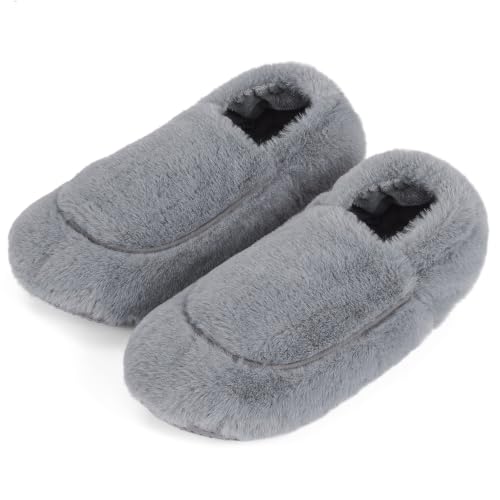
RTDEP is the best pick for most readers looking for cozy toes because it heats the whole sole and instep, has two independent heat zones, and runs on a 5000mAh battery for up to 8 hours. If you want warm feet without a cord or microwave, it fits the brief better than the rest.
What to remember
Pick battery heated slippers if you want repeated use and adjustable heat.
Pick microwavable slippers if you want simple, cord-free warmth for short sessions.
Use disposable toe warmers for a commute, ski day, or outdoor shift, not for bed.
Check battery runtime at the heat setting you’ll actually use; high heat drains faster.
Skip any product that doesn’t fit your foot width, or your toes will get cold from compression instead of weather.
A half-true belief hangs around every winter: battery heated slippers are the best choice for everyone because they’re cordless. The cordless part is true; the “best for everyone” part falls apart fast once you compare runtime, heat coverage, and whether you need something for the couch, the bed, or a pair of ski boots.
The right pair depends on where your feet get cold and how long you need heat. For lounging indoors, battery slippers make sense; for short bursts, microwavable booties are simpler; for boots and outdoor use, a disposable toe warmer or a thin neoprene toe cover usually works better than a thick house slipper.
Best Heated Slippers and Foot Warmers
#1Best Overall
RTDEP Heated Foot Warmer
Best for Indoor cold feet needing adjustable heat for up to 8 hours
RTDEP heats the whole sole and instep, so warmth reaches the toes, top of the foot, and bottom of the foot. Two independent switches let you control the heating zones separately, while the 5000mAh battery provides up to 8 hours of warmth. It suits most indoor users who want even heat without a cord or microwave.
Heating coverage Whole sole and instepBattery 5000mAh polymer lithium batteryBattery life Up to 8 hoursControls Two independent heating-zone switchesSole Thick non-slip outsole
Why it made the cut
Whole-sole and instep heating
Two independent heating-zone switches
5000mAh battery with up to 8 hours of battery life
Memory foam and plush lining
Good to know
Battery needs charging
Designed as an indoor foot warmer rather than an outdoor boot
Skip it if Skip it if you need disposable warmers for ski boots or another tight-fitting outdoor shoe.
Best for Indoor lounging when you want three preset heat levels
Lilia uses hidden heating wire around the toes and foot bottom for even heat distribution. Three temperature settings—149°F, 131°F, and 113°F—give you more direct control than a simple on-or-off warmer. The 5000mAh batteries provide up to 8 hours of warmth for home or desk use.
Temperature settings 149°F, 131°F, and 113°FBattery 5000mAh lithium polymer batteriesBattery life Up to 8 hoursHeating wire Around the toes and foot bottomLining Lambswool
Why it made the cut
Three adjustable temperature settings
Hidden heating wire around toes and foot bottom
5000mAh rechargeable batteries
Soft lambswool lining and cushioned footbed
Good to know
The heat settings require a long press to activate and a short press to change
The data describes heating around the toes and foot bottom, not the instep
Skip it if Skip it if you want separate controls for different heating zones.
Best for Bed, couch, or desk use without batteries or charging
Magic Gel uses natural clay beads that you heat in the microwave, then slip on for warmth from heel to toe. There’s no cord, battery, or charging routine, which makes it a straightforward choice for relaxing at home. The non-slip bottom is suited to indoor floors.
Heat source Natural clay beads heated in a microwaveUse Bed, couch, desk, and indoor relaxationCoverage Heel to toeSole Non-slip bottom
Why it made the cut
No cord, batteries, or charging
Reusable natural clay bead filling
Warmth from heel to toe
Non-slip indoor bottom
Good to know
Requires microwave heating before use
Heat duration is not stated in the product data
Made for indoor relaxation rather than outdoor wear
Skip it if Skip it if you need controlled heat for a full workday or while moving outdoors.
Best for Outdoor work, ski days, and other disposable boot warmth
HotHands toe warmers activate when you open the package and provide up to 8 hours of heat per warmer. Built-in adhesive backing attaches each warmer to the bottom of your sock, making this the least complicated option for boots, outdoor work, or a ski resort. They’re lightweight and single-use.
Activation Air-activatedHeat duration Up to 8 hours per warmerPack size 20 pairsAttachment Built-in adhesive backingUse Outdoor work, ski resorts, and winter sports
Why it made the cut
Air-activated with no charging
Up to 8 hours of heat per warmer
Adhesive backing helps keep the warmer in place
Pack includes 20 pairs
Good to know
Single-use and disposable
Warms the toes rather than the entire foot
The product data does not state a temperature setting
Skip it if Skip it if you want reusable slippers or adjustable heat for indoor lounging.
Best for Cycling, hiking, skiing, and other outdoor sports
These 3mm neoprene toe covers add insulation inside your shoes without batteries, microwave heating, or disposable packets. The material is stretchy, washable, reusable, windproof, and waterproof, so they fit people who want a simple layer for active outdoor use. Measure your toe width before choosing the M size.
Material thickness 3mm neopreneSize MPackage 2 pairsCare Washable and air dryUses Cycling, hiking, skiing, fishing, and other outdoor sports
Why it made the cut
Reusable and washable
3mm neoprene retains heat
Windproof and waterproof material
Works inside many types of shoes
Good to know
Covers the toes rather than the whole foot
The package is M size only
No battery or heat-control system
Skip it if Skip it if you need active heating instead of insulation from a neoprene layer.
Choose by routine first: rechargeable slippers suit hours of indoor lounging, microwavable booties suit a short warmup, disposable toe warmers suit outdoor boots, and neoprene toe covers suit ski use when you already have a snug boot. If you searched for cozy wall furnaces propane, that’s a separate heating job; slippers don’t heat a room. A gif cozy comfy animal won’t help your toes either, charming as it may be.
For long evenings at home, pick the RTDEP Foot Warmer or another rechargeable slipper. RTDEP covers the sole and instep and uses a 5000mAh battery, so it fits reading, desk work, or watching TV without a cord trailing across the floor. Short indoor sessions favor Magic Gel Microwavable Slippers: warm them as directed, use them while they’re comfortable, then reheat them later. The heat won’t last like a battery-powered pair.
Outdoor boots need a different shape. HotHands Toe Warmers Value Pack works inside compatible footwear because the warmer sits near the toes instead of taking up slipper-like space. The 2 Pairs 3mm Neoprene Toe Warmers add insulation without making heat; they’re more useful for skiing or cold boots that already fit properly. Lilia Heated Slippers for Women are aimed at indoor wear, not a substitute for a ski boot liner.
The plain rule
Need heat for hours indoors? Buy rechargeable. Need quick warmth with no charging? Buy microwavable. Need boot-friendly warmth outside? Buy a toe warmer instead of a slipper.
Myth
More heat always means warmer feet.
Fact
Better coverage often matters more. A strong hot spot under the heel can leave your toes and instep cold, while gentler heat spread across the areas that lose warmth may feel better.
Check Before You Buy
Measure your foot width and check the product’s size guidance; a tight slipper can crush insulation and a loose one can let warm air escape.
Decide where you’ll use it: indoor lounging, brief indoor warming, outdoor boots, or ski boots.
Check that the heating element reaches the toes and instep if those are the areas going numb.
Confirm the design leaves enough room for your normal sock and footwear; boot warmers need space differently from slippers.
For a simple decision, start with the hours and footwear, not the product name. A person sitting indoors for six hours needs a rechargeable slipper; a skier needs a boot-compatible warmer or heated insole, which is covered in heated insoles for skiing.
Match Battery, Microwave, Or Disposable Heat
Battery slippers are the practical choice for repeated indoor warmth, while microwavable booties and disposable warmers solve shorter or more specialized problems. The heat source changes the routine: batteries need charging, clay beads need a microwave, and air-activated warmers need exposure to air and a suitable boot.
Rechargeable slippers such as the RTDEP Foot Warmer use a 5000mAh battery and can run for up to 8 hours according to the product information. That makes them the better fit for a desk, sofa, or cold bedroom floor, provided you remember to charge them. A battery slipper is still a slipper, so don’t treat it as ski equipment simply because it produces heat.
Up to 8 hours
RTDEP stated battery runtime
The actual time depends on the selected heat setting and use, but the listed figure explains why rechargeable slippers suit long indoor sessions better than a quick microwave warmup.
Microwavable clay-bead booties such as Magic Gel Microwavable Slippers provide a short warmup without a battery or charging cable. They’re handy when your feet are cold now and you’ll stay indoors, but the beads cool as they release stored heat. Follow the product’s heating instructions; guessing at microwave time is a poor experiment when fabric and heat are involved.
Air-activated toe warmers such as HotHands fit outdoor footwear better because they’re small and disposable. They’re the sensible choice for a cold walk or time outside, while neoprene toe covers add insulation only. The covers can help retain warmth in a well-fitting shoe, but they can’t replace a heat source.
Heat source
Best use
Runtime and cleanup
Rechargeable battery
Indoor lounging for longer sessions
Needs charging; no microwave reheating
Microwave clay beads
Short indoor warmups
Reheat as directed; cools over time
Air-activated warmer
Boots and outdoor cold exposure
Single-use; remove after use
Neoprene toe cover
Ski or outdoor insulation
No heat created; reusable
Match the heat source to the footwear and the length of the session.
Numb Toes While Skiing
Slippers are the wrong tool inside ski boots because their bulk can interfere with fit and circulation. A heated insole or heated sock is the better path; see ski boot heaters and heated socks for snow for boot-specific options.
Check Heat Coverage And Fit Before You Buy
Heated slippers work by sending battery power through small heating elements, and whole-sole plus instep coverage usually feels better in a cold room than heat aimed at the toes alone. Warmth under your arch and across the top of the foot spreads through the slipper instead of leaving your heel and midfoot feeling like spare parts.
Washability depends on the care label, so remove the battery and controller before cleaning and never submerge electrical parts. Some slippers can be hand-washed after the electronics come out; others should only be wiped clean. If the instructions don’t clearly allow washing, treat them as wipe-clean footwear.
Independent switches help when one foot runs colder, while multiple heat settings let you settle on steady warmth instead of full blast. Fit still matters more than a dramatic temperature number: memory foam cushions the sole, a non-slip outsole helps on smooth floors, and your toes need room to move without pressing against the heating element.
Worked example
Say RTDEP’s 5000mAh battery is rated for up to 8 hours. That figure applies to lower heat, so wearing maximum heat can shorten the useful runtime. Choose the setting you’ll actually wear, not the one that looks most impressive on the box.
Battery5000mAh
Rated runtimeUp to 8 hours
Best readingLower heat, not maximum
Good fit check
Whole-sole and instep heating
Independent controls
Memory-foam cushioning and non-slip sole
Warning sign
A loose slipper wastes heat
Tight toe boxes can press against warm components
Maximum heat may reduce battery runtime
Useful for even foot coverage
RTDEP Foot Warmer
RTDEP suits readers who want whole-sole and instep warmth, independent heat zones, and a rechargeable battery instead of a microwave routine.
Heated slippers are generally safe when you follow the product instructions, inspect them before use, and keep damaged batteries and wiring out of service. Battery life depends on the model and heat setting; RTDEP is rated for up to 8 hours, while higher heat can reduce that runtime.
Battery slippers are indoor footwear unless the manufacturer specifically approves another use, and they can’t replace insulated boots or proper cold-weather gear outside. Charging, storage, and cleaning instructions matter because crushed wiring, a damaged battery pack, or moisture near the electronics can turn a warm floor into a repair job.
Stop using damaged footwear
Don’t wear slippers with exposed wiring, a swollen or cracked battery pack, scorch marks, or a controller that gets unusually hot. Unplug the charger and follow the manufacturer’s replacement instructions rather than taping the damage and carrying on.
Microwavable slippers need the exact heating time and method printed in their instructions. Extra microwave time can damage the filling or fabric and create hot spots. Disposable toe warmers are single-use; place them under socks, and don’t put them against bare skin when the package says otherwise.
Before your first wear
Read the charging, cleaning, and storage instructions
Check the battery pack, cable, seams, and heating areas
Confirm the microwave directions for microwavable slippers
Keep a working CO alarm nearby if another fuel-burning heater is in use
Numb feet need more than heat
Heated slippers aren’t a treatment for numbness from a medical cause. If your feet stay numb, pale, painful, or unusually cold, stop relying on warmer footwear and seek medical advice; extra heat can mask a problem.
Buy Something Else For Ski Boots And Long Days Outside
For ski boots, snow boots, and long outdoor days, heated slippers are the wrong tool; their soft, bulky shape needs room that a close-fitting boot shell doesn’t leave. For the best heated slippers for women, choose a slipper such as Lilia for indoor lounging, then switch to heated socks or heated insoles when numb toes are the problem outdoors.
Assume heated slippers aren’t machine-washable unless the care label specifically says otherwise. Remove the battery if the design allows it, spot-clean the fabric, and let the slipper dry completely before reconnecting anything; soaking the wiring or battery pocket is a poor laundry experiment.
Disposable toe warmers and thin neoprene toe covers make more sense for walking, standing, commuting, or a short outdoor session because they fit inside ordinary footwear without adding a slipper’s bulk. For all-day outdoor warmth, shop the heated-sock class rather than the softest indoor slipper; heated socks for numb toes are built around that job.
Useful for short outdoor sessions
HotHands Toe Warmers Value Pack, 20 Pair
HotHands Toe Warmers suit brief walks or time standing outside when you need a thin, disposable heat source inside a boot; choose heated socks or insoles for repeated full-day use.
Put on your ski or snow boot with its normal sock and footbed, then check the toe room. If your toes already brush the shell, a heated slipper won’t solve the fit problem and may restrict circulation.
Questions People Ask
What are heated slippers?
Heated slippers are insulated indoor footwear with small electric heating elements, usually powered by rechargeable batteries. They warm your feet from inside the slipper instead of relying on a heated floor or a microwave insert.
How do heated slippers work?
A battery sends low-voltage electricity through heating elements in the slipper, creating warmth near the sole, toes, or instep. Models with separate heat zones can warm more of your foot without putting all the heat in one small spot.
Are heated slippers safe to use?
They’re generally safe when the slippers, battery, and wiring are intact and you follow the manual’s charging and wear instructions. Stop using them if you see fraying, swelling, overheating, a burned smell, or moisture damage, and don’t sleep in them unless the manufacturer specifically allows it.
How long do heated slippers last on a charge?
Runtime depends on the heat setting, battery condition, and model; RTDEP is rated for up to 8 hours from its 5000mAh battery. Higher heat uses the battery faster, so the advertised maximum is best treated as a low-setting figure rather than a promise for every use.
Can heated slippers be washed?
Check the care label before washing because many heated slippers aren’t machine washable. Remove the battery only when the design allows it, keep charging ports and electronics dry, and never reconnect or charge the battery until the slippers are completely dry.
Can I wear heated slippers outside?
Only for brief, dry trips if the manufacturer says outdoor use is allowed and the sole provides suitable traction. Most heated slippers are indoor footwear; wet ground, snow, limited tread, and exposed electronics make them a poor choice for long outdoor use.
Are microwavable heated slippers better than battery ones?
Microwavable slippers heat up without a battery and work well for a short warmup, but their heat fades and they require reheating. Battery slippers are the better fit for repeated indoor warmth because you can wear them for hours and adjust or manage the heat without returning to the microwave.