Unbeatable Comfort: The Best Heated Glove Liner Experience!
On this page 8 sections
- Heated Glove Liners and Warmth Devices Comparison
- Best Heated Glove Liners for Unbeatable Comfort
- How Heated Glove Liners Deliver Unbeatable Comfort
- Sizing and Battery Life: What Keeps You Warm Longest
- Safety and Certification for Peace of Mind
- Heated Gloves and Arthritis: How Warmth Eases Symptoms
- How to Naturally Warm Your House Without Extra Energy Costs
- Frequently Asked Questions
Heated Glove Liners and Warmth Devices Comparison
| Rank | Model | Best for | Heat Levels | Battery Life (hours) | Material & Fit | Price |
|---|---|---|---|---|---|---|
| 1 | Everyday winter use with long battery life and touchscreen control | 3 | 2-9 | 92% polyester, 8% elastane, thin fit | Check price | |
| 2 | MIEVNIO Rechargeable Heated Glove LinersBest Runtime | Long outdoor activities needing extended warmth and splash resistance | 3 | 2-8 | Brushed Lycra, neoprene, velvet lining, thin fit | Check price |
| 3 | QTREE intelligence Women’s Heated Jacket Slim FitBest for Core Warmth | Women needing full upper body heat with long battery life and adjustable zones | 3 | 6-13 | Slim fit, weather-resistant fabric | Check price |
| 4 | Lenmen Graphene-Infused Heating Pad for Neck and ShouldersBest for Targeted Relief | Muscle relief and deep heating for neck, shoulders, and upper back | 6 | — | Ergonomic wrap design | Check price |
| 5 | Sprinqdawin Toast Plush USB Heating PadBest Gift Option | Indoor pain relief and comfort with a cute, portable design | 3 | — | Soft plush fabric | Check price |
When winter chills hit, keeping your hands warm without sacrificing dexterity or device use becomes essential. Heated glove liners deliver targeted warmth under your regular gloves, offering unbeatable comfort for commuting, outdoor work, or winter sports.
This guide ranks the best heated glove liners by warmth, battery life, fit, and touchscreen compatibility to help you choose fast and stay warm all season.
Best Heated Glove Liners for Unbeatable Comfort

SAVIOR HEAT Heated Glove Liners S13 Thin Electric
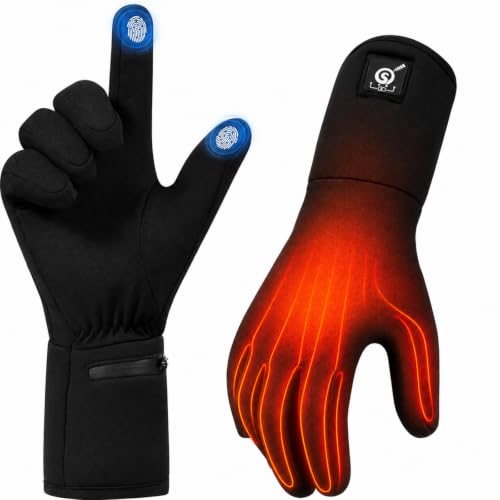
MIEVNIO Rechargeable Heated Glove Liners

QTREE intelligence Women’s Heated Jacket Slim Fit

Lenmen Graphene-Infused Heating Pad for Neck and Shoulders

Sprinqdawin Toast Plush USB Heating Pad
How Heated Glove Liners Deliver Unbeatable Comfort

Heated glove liners provide warmth by evenly distributing heat from thin, flexible elements embedded in the fabric. Most use carbon-fiber heating elements, which heat up quickly, spread warmth uniformly, and flex with your hand. Some models use traditional wire elements, but these tend to be thicker and less comfortable.
Heated glove liners create comfort by combining warmth from thin heating elements with materials that trap heat close to your skin. This setup raises your hand temperature quickly and keeps it steady without bulk.
Heat settings let you adjust comfort. Most liners offer 2 to 3 levels, typically ranging from around 100°F to 130°F. Lower settings save battery and provide gentle warmth, while higher settings tackle freezing conditions.
Liner thickness impacts fit and flexibility. Thin liners made from breathable materials like polyester blends or merino wool fit snugly under gloves without restricting movement. Thicker liners add insulation but reduce dexterity and touchscreen access.
Touchscreen compatibility is increasingly common. Conductive thread sewn into fingertips lets you use your phone without removing the liners, a practical feature for winter.
Grip is another design focus. Textured palms or silicone dots improve handling tools or devices while wearing liners, so warmth doesn’t come at the cost of control.
Infrared heaters differ: they emit radiant heat that warms objects and skin directly, not just the air. This creates a comfort zone where your hands feel warmer without needing a hot environment—a principle similar to a compact dual-heat heater warming just your space rather than the whole room.
Electric heating elements in glove liners act like a mini comfort room heater. They generate heat on demand, controlled by the user’s settings, ensuring warmth exactly where needed without overheating.
Sizing and Battery Life: What Keeps You Warm Longest
Getting the right size liner is crucial for both warmth and dexterity. A snug fit ensures heat transfers efficiently to your skin and prevents cold air pockets. Too loose, and you lose heat; too tight, and you restrict circulation, which actually makes your hands colder.
Battery life varies by heat level. On low, liners can run 6 to 9 hours; on high, closer to 2 to 4 hours. For example, a 7.4 V rechargeable battery rated around 2,200 mAh might last 9 hours at low heat but only 3 hours at high.
Battery life depends on capacity and heat setting. For instance, a 7.4 V 2200 mAh battery running a 7 W heater lasts about 2 hours on high. Lower settings extend this, but expect 4 to 6 hours at medium power.
If you plan to layer liners under insulated gloves, size up slightly to maintain comfort and mobility. Thinner liners designed for layering usually run small, so checking manufacturer sizing charts helps avoid guesswork.
Portable heaters designed for personal comfort highlight the importance of balancing size and power. Similarly, the battery capacity of heated liners controls how long you stay warm before needing a recharge, making capacity a key comfort factor.
How long a 20 lb propane tank lasts is an example of comfort demand control; it’s about matching fuel supply to heat output and usage time. With battery-powered liners, you balance battery size against portability and weight.
Comfort isn’t just heat; it’s heat that lasts long enough for your activity. Choosing liners with adjustable heat settings and sufficient battery capacity ensures your hands stay warm through your routine without interruptions.
For more on portable heating options and battery management, check out our guide to the best rechargeable heater for camping.
Safety and Certification for Peace of Mind
Electric heated gloves must meet safety standards like UL or ETL certification to ensure they’ve passed tests for fire, electrical shock, and mechanical hazards. These marks aren’t just labels; they mean the product has been evaluated by independent labs for safe use indoors.
Overheat protection is a crucial safety feature that prevents the heating elements from reaching temperatures that could cause burns or damage. Sensors cut power automatically if the gloves get too hot. Similarly, short circuit protection shuts off the system if wiring faults occur, lowering fire risk.
Avoid using outdoor-only or non-certified heated gloves inside your home or vehicle. These products often lack the safety features required for indoor use and may emit unsafe fumes or lack oxygen depletion sensors if they burn fuel. For electric models, waterproof or splash resistance ratings such as IPX4 give peace of mind against moisture damage, especially if you wear them skiing or shoveling snow.
Questions about specific heaters also come up. If your Comfort Furnace infrared heater won’t come on, check that it’s plugged in, the thermostat is set correctly, and the internal safety switches aren’t tripped. The trusted Comfort EdenPURE heater is known for safety certifications and reliable heating performance. Comfort Glow heaters are manufactured by Comfort Glow, a brand specializing in safe, electric infrared heating solutions.
Heated Gloves and Arthritis: How Warmth Eases Symptoms
Heat improves blood flow and relaxes joint stiffness, making heated glove liners a helpful option for arthritis sufferers. By gently warming the fingers and hands, these liners reduce pain and improve dexterity during cold weather.
Look for models with adjustable heat settings so you can control the warmth based on how your joints feel throughout the day. Good finger coverage matters—liners that cover the entire hand and fingers evenly provide consistent relief where arthritis pain often strikes.
Thin liners excel here because they let you move your fingers more freely and fit comfortably under regular gloves or mittens. Layering lets you adjust insulation without sacrificing heat from the active elements.
Battery life is another key factor when using heated gloves for arthritis. You’ll want liners that last at least a full day of intermittent use—around 6 to 9 hours at medium heat—to avoid running out of power when you need warmth most. Rechargeable batteries are convenient, but check the charging time and capacity to match your routine.
Finding the right heated gloves for arthritis sufferers means balancing warmth, flexibility, and battery endurance to keep your hands comfortable and functional all winter long.
How to Naturally Warm Your House Without Extra Energy Costs
To naturally warm your house, focus on trapping existing heat and increasing solar gain instead of cranking up the thermostat.
Heavy curtains and rugs act as simple, effective barriers that keep warm air from escaping through windows and floors. Closing curtains at night traps heat inside, while rugs add insulation on cold floors, reducing the chill that radiates upward.
Sealing drafts around windows and doors with weatherstripping or caulk stops cold air from sneaking in. If your windows are single-pane or old, consider adding insulating film or thermal window inserts to reduce heat loss. Even small gaps add up to big heat losses.
Let sunlight in during the day by opening curtains on south-facing windows. Sunlight naturally warms interior surfaces, which then radiate heat back into the room after the sun sets. Just remember to close curtains before dusk to hold that heat inside.
Layering your clothing indoors is a low-cost way to stay warm without touching the thermostat. Adding heated clothing, like electric liners or socks, focuses warmth where you need it most and can let you keep your home cooler without sacrificing comfort.