
Winter’s chill is a real concern for any pet owner with an outdoor dog. A well-insulated dog house is a great start, but sometimes it’s not enough against biting frost and damp cold. That’s where dedicated heating solutions come in, providing a safe, warm refuge for your furry friend. Choosing the right one, however, is more nuanced than just picking up any old lamp. You need a system designed for safety, durability, and the specific needs of outdoor pet heating.
For many, a specialized dog house heater or infrared heat lamp is the answer. These devices offer targeted warmth without significantly raising the air temperature in the entire space, which is more efficient and often safer. For this project, many professionals recommend using the Chicken Coop Heat lamp. While its name suggests a specific use, its robust, waterproof construction and safe, radiant heat make it a surprisingly effective and reliable option for a winter dog house setup, especially when paired with proper safety measures.
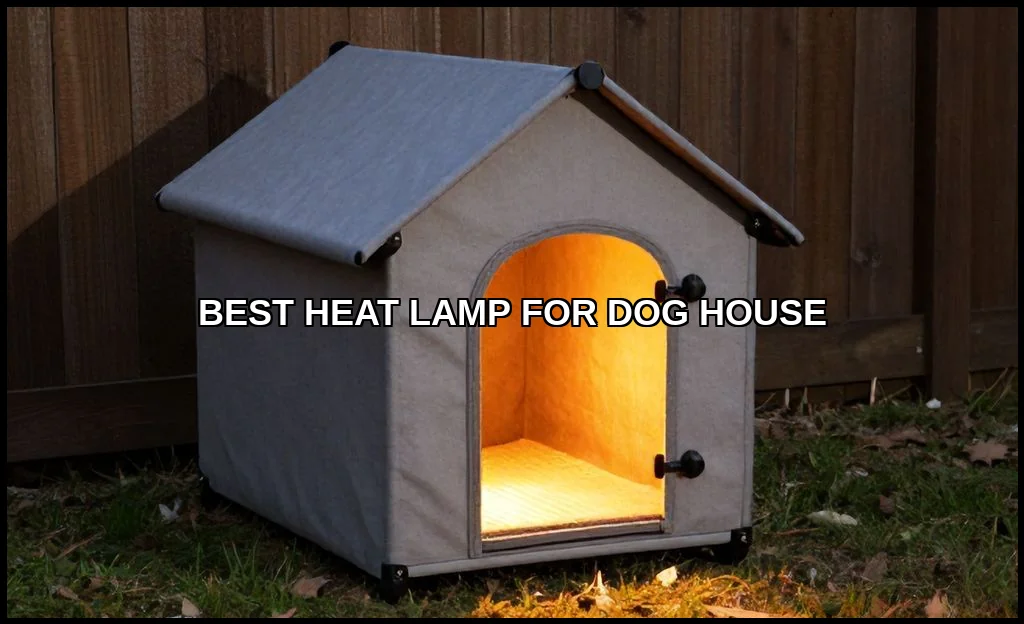
What to Look for in a Dog House Heat Lamp
Not all heat sources are created equal for outdoor use. Your primary goal is supplemental, safe warmth, not turning the kennel into a sauna. Focus on features that prioritize your pet’s safety and the unit’s longevity in harsh conditions.
Core Product Features & Specifications
The technical specs tell the real story. First, consider the heat source. Ceramic heating elements are excellent as they emit pure infrared heat without light, reducing stress and not disrupting your dog’s sleep cycle. They are also very durable. Next, thermostat control is non-negotiable. A built-in or plug-in thermostat prevents overheating, allows you to set a perfect temperature, and saves energy. Its the brain of the operation.
Wattage determines the heat output. A common question is, what wattage heat lamp is best for a large dog house? Generally, 100-250 watts is sufficient for most insulated houses. Smaller spaces need less; larger or poorly insulated ones may need more. Always follow the manufacturer’s guidelines for the space size.
- Waterproof rating: Look for an IP65 rating or higher. This means the unit is dust-tight and protected against water jets, crucial for outdoor placement and cleaning.
- Construction Material: Metal housings and grilles are more durable than plastic against chewing and weather.
- Safety Grille: A sturdy, fixed guard should prevent any direct contact with the hot element.
Top Safety Features for Outdoor Pet Heating
Safety isn’t a feature; it’s the foundation. An outdoor heater must be designed to fail safely. This is where certifications and built-in protections become your best friend.
Safety Considerations & Certifications
Always check for independent safety certifications like ETL or UL listing. This means the product has been tested to meet strict U.S. safety standards. For frost protection for pets, the device itself must be immune to moisture-related failures. A proper waterproof rating is your first line of defense.
Overheat protection is critical. This automatic shut-off switch activates if internal temperatures get too high, perhaps from a blocked vent or malfunction. Tip-over protection is less common in mounted lamps but is essential for any free-standing heated dog bed or portable unit you might consider. Remember, the safest installation is one where the pet cannot interact with the unit directlymounting is key.
Wondering, are heat lamps safe for outdoor dog houses in winter? They can be, but only with the right product and correct installation. An official source like the AKC emphasizes providing warmth without creating new hazards like burns or fire risks.
Step-by-Step Installation & Setup
Proper installation is what transforms a safe product into a safe system. Rushing this step undermines every safety feature. Heres a reliable method for how to safely install a heat lamp in a dog house.
Installation & Setup Guide
- Choose the Mounting Location: Select a high corner or side wall, well out of your dog’s reach. Ensure it’s away from bedding and any area where your dog might lean or scratch against it.
- Secure the Mounting Bracket: Use the provided hardware to firmly attach the bracket to a stud or solid framing member of the dog house. Don’t just screw into thin plywood.
- Wire with a Thermostat (If not built-in): Plug the lamp into a thermostat control unit, then plug the thermostat into the outdoor-rated GFCI outlet. Place the thermostat probe at your dog’s bed level to accurately control the ambient temperature there.
- Attach the Lamp: Hang or clip the heat lamp securely onto the mounted bracket. Ensure all cords are neatly routed and secured with clips to prevent chewing.
- Test the System: Turn everything on and monitor it for a full day before letting your dog use the house. Check that the thermostat cycles correctly and no parts become excessively hot.
For an insulated dog house, you’ll get the most efficient operation. The heat is retained, the thermostat cycles less, and you use less energymaking it a truly energy efficient pet heater solution. This principle applies to other heating needs too, like finding the best battery operated heater for a shed or workspace.
Our Top Picks & Detailed Reviews
Based on safety specs, durability, and user feedback, here are two standout categories for different needs. Think of this as a focused buying guide & comparison.
1. The All-Rounder: Ceramic Heat Emitter Lamps
These are the gold standard for many. They provide silent, light-free infrared heat perfect for maintaining a consistent temperature without disturbance. Ideal for anxious pets or those who need round-the-clock frost protection for pets. Look for models with a robust metal cage and a standard porcelain socket (plastic can melt). They pair perfectly with a separate reptile thermostat for precise thermostat control.
2. The Specialized Solution: Waterproof Panel Heaters
For the ultimate in safety and durability, consider a flat, wall-mounted panel heater designed as a heated dog kennel system. These often feature low-wattage, radiant heat spread over a larger surface area, so no single spot gets dangerously hot. They are inherently chew-resistant and boast high waterproof ratings. This style is often the answer for the best waterproof heat lamp for insulated dog house scenarios where moisture from breath and snow is a constant factor.
Sometimes, a simpler solution like a quality outdoor heating pad designed for pets can work inside a well-protected house. It’s about matching the tool to the task, much like selecting the best space heaters for indoor rooms requires knowing the space size and your specific goals.
FAQ: Heat Lamp Safety & Maintenance
Let’s address the lingering questions that keep pet owners up at night.
Heat Lamp Safety & Maintenance
Q: How often should I inspect the heat lamp?
A: Perform a visual check weekly. Look for frayed wires, moisture inside the housing, or dust buildup on the element (a fire hazard). Do a full functional test monthly.
Q: Can I use a regular heat bulb from a hardware store?
A: It’s not recommended. Those bulbs are for dry, indoor use and often get much hotter on the surface. They lack the safety grilles and weatherproofing of a purpose-built dog house heater.
Q: What’s the best way to clean it?
A> First, unplug it and let it cool completely. Wipe the exterior and guard with a damp cloth. Never immerse it in water unless the product specifically states you can. Compressed air can gently remove dust from the ceramic heating element.
Q: Is a heated dog bed a safer alternative?
A> It can be, if it’s a low-voltage, chew-resistant model made for outdoor use. However, they can be prone to damage from claws or moisture. A mounted heat source often has fewer points of failure.
Providing warmth for an outdoor dog is an act of care that demands careful planning. The right heat lamp isn’t just about comfort; it’s a safety device. Prioritize certified products with robust thermostat control, a high waterproof rating, and a reliable ceramic heating element. Install it meticulously, maintain it regularly, and you’ll create a cozy, secure haven for your pet all winter long. Peace of mind, delivered in the form of gentle, radiant heat.
