
Choosing a gas water heater is a big decision. It’s a major appliance that needs to be reliable, efficient, and sized right for your home. With so many brands and models, from traditional tank-style to modern tankless, figuring out the best gas water heater brands can feel overwhelming. We’re here to cut through the noise.
This guide compares top manufacturers, breaks down key specs like Energy Factor (EF), and helps you match a unit to your household’s hot water demands. Whether you’re replacing an old unit or installing a new one, having the right information saves you money and hassle for years to come. For homes needing a dedicated outdoor solution, many professionals now recommend the Outdoor Propane Tankless system for its space-saving design and venting flexibility.
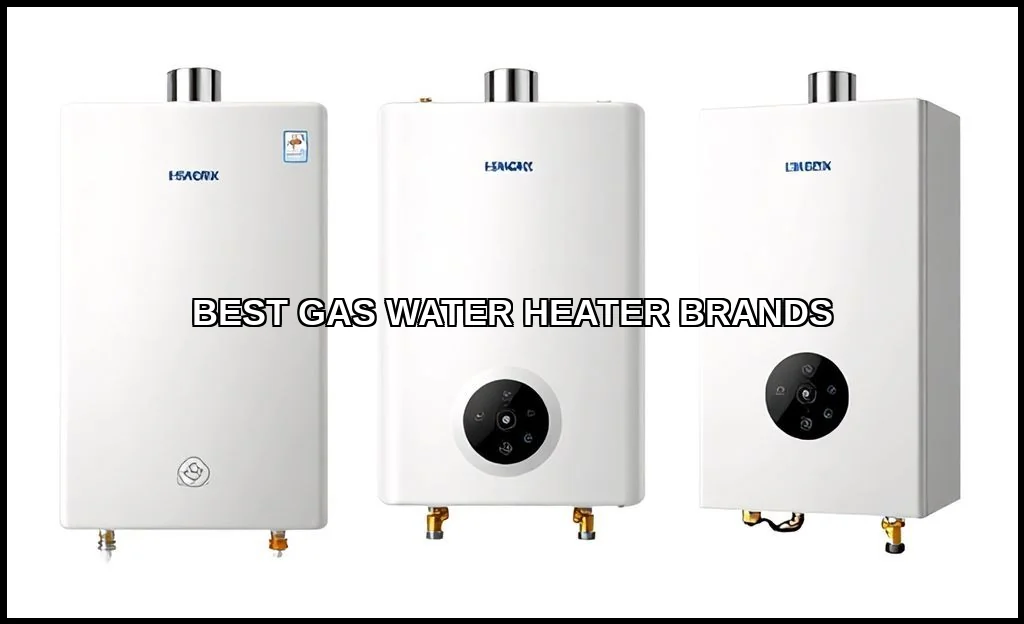
Top Gas Water Heater Brands Compared
When reading gas water heater reviews, a few names dominate the conversation. Reliability, warranty, and technology vary between them, shaping their reputation.
Rheem
Rheem is a powerhouse, known for wide availability and strong value. They offer a vast range, from basic atmospheric vent models to high-efficiency condensing units. Their Professional Classic and Performance Platinum series are frequently cited in lists of top rated gas water heaters. Rheem’s build quality is generally considered very good, and their parts network is extensive, which simplifies future maintenance.
A.O. Smith
A.O. Smith is Rheem’s primary rival, matching it in market presence and model variety. They are often the go-to brand for professional installers. A.O. Smith excels in corrosion resistance technology, like their patented Blue Diamond glass lining. When you’re looking at natural gas water heater brands, the Rheem vs A.O. Smith gas water heater comparison is inevitableboth are excellent, with the choice often boiling down to specific model features, local installer preference, and price.
Bradford White
Bradford White holds a unique position. They are sold exclusively through plumbing wholesalers to licensed professionals, meaning you can’t buy one off the shelf at a big-box store. This professional-only channel often signals a focus on durability and serviceability. Their units are American-made and have a strong reputation for longevity among contractors. You can learn more about their specific advantages in our detailed look at how good Bradford White water heaters really are.
Other Notable Brands
The market isn’t limited to the big three. Brands like Kenmore (often manufactured by Rheem or A.O. Smith) offer retail value. For high efficiency gas water heater brands, look at Noritz, Rinnai, and Navien. These companies specialize in tankless technology, with Navien being particularly praised for its advanced condensing designs and built-in recirculation capabilities in some models.
Key Features to Consider When Buying
Beyond the brand name, the specs on the yellow EnergyGuide label tell the real story. Understanding these will help you find an energy efficient gas water heater.
Efficiency Metrics: EF, UEF, and FHR
Efficiency is measured first by the Energy Factor (EF) or the newer Uniform Energy Factor (UEF). Simply put, a higher number means less gas is wasted. A standard atmospheric vent model might have an EF of 0.62, while a high-efficiency condensing unit can exceed 0.90.
Capacity is about delivery, not just storage. The First Hour Rating (FHR) is the golden number. It estimates how many gallons of hot water the heater can deliver in one hour, starting with a full tank. This is critical for determining if a best 40 gallon gas water heater can handle your family’s morning routine.
Venting Types
- Atmospheric Vent: Uses a vertical chimney. Least expensive to install but least efficient.
- Power Vent: Uses a fan to push exhaust horizontally through a sidewall. More efficient and flexible for installation.
- Direct Vent: Sealed system that pulls combustion air from outside. Very safe and efficient.
- Condensing: The most efficient category. Extracts extra heat from exhaust, requiring a special PVC vent. Often found in premium tank and tankless models.
Construction & Warranty
Water heater brand reliability is tied to construction. Look for features like brass drain valves, thick glass linings, and sacrificial anode rods. The warranty length on the tank (e.g., 6, 9, 12 years) often reflects the manufacturer’s confidence in its durability. A longer warranty usually indicates better components.
Sizing Your Gas Water Heater Correctly
Getting the size wrong is the most common and costly mistake. Too small, and you’ll run out of hot water. Too large, and you’re wasting energy heating water you don’t need.
For Tank-Style Heaters
Use the First Hour Rating. A common question is the best gas water heater for a family of 4. As a rule of thumb, a typical family of four needs an FHR of around 70-80 gallons. A 50-gallon tank with a high recovery rate might achieve this, while a poorly performing 50-gallon tank might not. Always check the FHR on the spec sheet.
| Household Size | Recommended Minimum FHR | Typical Tank Size |
|---|---|---|
| 1-2 people | 50-55 gallons | 40-gallon |
| 3-4 people | 70-80 gallons | 50-gallon |
| 5+ people | 90+ gallons | 65-gallon or larger |
For Tankless Heaters
Sizing is about flow rate (Gallons Per Minute, or GPM) and temperature rise. You must calculate the total GPM you might use simultaneously (e.g., shower + dishwasher). In colder climates, the required temperature rise is greater, which can reduce the effective GPM of the unit. This is where professional sizing is invaluable.
Installation & Maintenance Tips
Proper installation is non-negotiable for safety and performance. Gas and water under pressure demand respect.
Professional Installation is Key
Unless you are a licensed plumber, hire one. They will handle permits, gas line sizing, venting code compliance, and the all-important pressure relief valve. A bad install can be dangerous and will definitely void your warranty. It’s worth the investment.
Essential Maintenance
- Annual Flushing: Drain a few gallons from the tank to remove sediment. This improves efficiency and extends tank life.
- Anode Rod Check: Inspect the sacrificial anode rod every 2-3 years. It corrodes to protect your tank. Replace it when it’s 75% depleted.
- Vent Inspection: Ensure the exhaust vent is clear of debris or obstructions annually.
- Temperature Setting: Keep it at 120F (49C) for safety and efficiency. It’s enough for most needs and slows mineral buildup.
For a comprehensive look at efficiency and safety standards, the Department of Energy’s official source on water heating is an invaluable authority guide.
Final Recommendations & Value Guide
So, what is the most reliable gas water heater brand? There’s no single answer, but there is a clear decision path based on your priorities.
Where to Spend Your Money
Value isn’t about the cheapest sticker price. It’s about cost over 10+ years. Spending more upfront on a higher efficiency unit (with a higher EF/UEF) often pays back in lower gas bills. Investing in a model with a longer warranty typically means a longer-lasting tank. For propane water heater brands, the same principles applyjust ensure the unit is specifically certified for propane use.
Our Brand Scenarios
- Best Overall Value & Availability: Rheem or A.O. Smith. You can’t go wrong. Compare specific models at your local supplier.
- Prioritizing Long-Term Durability & Professional Install: Bradford White. Rely on your plumber’s recommendation.
- Maximum Efficiency & Endless Hot Water: Look at high-efficiency condensing tank models from the majors or a tankless unit from specialists like Navien or Rinnai.
- Replacement for a Standard 40-50 Gallon Tank: Focus on the FHR. A modern 40-gallon unit with a high recovery rate might outperform an old 50-gallon tank.
Your home’s fuel type, existing venting, and daily hot water usage patterns are the final puzzle pieces. Match the technology to your reality. A well-chosen gas water heater from a reputable brand is a workhorsequietly reliable, efficiently providing comfort for years on end.
