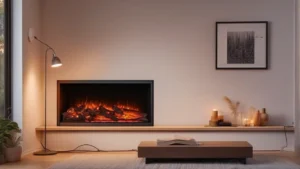
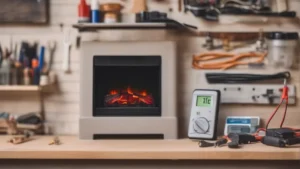
The best fake fireplace heater for most readers is a 1,500 W freestanding electric fireplace with independent flame control, because it gives you real room heat and the fireplace look without extra wiring. If you want a quick pick, start with the room size first and ignore the BTU marketing fluff until you check the wattage.
What to remember
Pick 1,500 W if you want the heater to do real work; pick 750 W only for milder supplemental heat.
Choose a model with independent flame and heat controls if you want the look year-round.
Freestanding stoves are easier to place; inserts make more sense if you already have a fireplace opening.
A realistic flame is nice, but room size and outlet limits matter more.
Keep 3 feet of clearance and plug the unit straight into a wall outlet.
A fake fireplace heater is just an electric space heater dressed like a hearth, so the useful comparison is heat output, controls, and how much floor space it eats. Most plug-in models top out at 1,500 W, which is enough for a bedroom, office, or one-zone living room, not a whole house.
If you want the flame effect only, make sure the model can run without heat. If you want real warmth, look for 750 W and 1,500 W settings, overheat protection, and a standard 120 V plug so you can use it on a normal wall outlet.
Best Fake Fireplace Heater Picks
#1Best Overall
Duraflame Freestanding Stove, Cream
Best for Supplemental heat and flame ambiance in rooms up to 1,000 square feet
This freestanding stove combines infrared heat for rooms up to 1,000 square feet with independent flame and heat controls, so you can keep the fire glowing without heating the room. The adjustable thermostat and flame dial suit readers who want simple controls and a traditional stove appearance.
Heat type Infrared heatRoom coverage Up to 1,000 square feetFlame control Adjustable flame dialHeat control Adjustable thermostatDesign Side viewing windows and opening glass door
Why it made the cut
Independent flame and heat controls
Infrared heat for rooms up to 1,000 square feet
Adjustable thermostat and flame dial
Good to know
No stated heat wattage
Less suited to recessed installation
Skip it if Skip it if you need a recessed insert or want detailed flame-color controls.
Best for Living rooms that need supplemental heat and a black stove-style look
The black version offers the same useful core setup as the cream stove: infrared heat for rooms up to 1,000 square feet, plus separate flame and heat controls. Choose it when the finish fits your room better and you want an adjustable thermostat instead of a remote-heavy control scheme.
Heat type Infrared heatRoom coverage Up to 1,000 square feetFlame control Adjustable flame dialHeat control Adjustable thermostatFinish Black
Why it made the cut
Independent flame and heat controls
Infrared heat for rooms up to 1,000 square feet
Adjustable thermostat and flame dial
Good to know
No stated heat wattage
No stated safety certification or overheat feature
Skip it if Skip it if your room suits a lighter finish or you need recessed installation.
Best for Readers who want strong flame customization with 1,500 W heat
Twelve flame and log colors, adjustable flame speed, and front-and-side flame visibility make this the flexible ambiance pick. Its 500 W and 1,500 W settings let you choose lower holding heat or the higher setting for faster warming, with a remote for couch-side control.
Heat settings 500 W and 1,500 WRoom claim Up to 1,000 square feet in 10 minutesFlame controls 12 flame and log colors; adjustable flame speedOperation Remote controlSafety Overheat protection
Why it made the cut
500 W and 1,500 W heat settings
12 flame and log colors
Independent flame effect and top air outlet
Overheat protection
Good to know
The 25-inch freestanding design needs floor space
The stated 1,000-square-foot claim is tied to a 10-minute warm-up statement
Skip it if Skip it if you want a compact unit with mechanical knobs or a recessed insert.
Best for Recessed or freestanding installation with detailed flame adjustment
This insert works freestanding or recessed and gives you 750 W and 1,500 W heat choices for different conditions. Its remote and touch panel control four flame colors, 12 log colors, five flame speeds, and brightness, while the ETL certificate adds a stated safety credential.
Dimensions 23.15 in W × 18.5 in H × 6.52 in DHeat settings 750 W and 1,500 WFlame controls Four flame colors, 12 log colors, five flame speeds, and adjControls Wireless remote and touch screen control panelSafety ETL certificate approved
Why it made the cut
Freestanding or recessed installation
750 W and 1,500 W heat settings
Four flame colors, 12 log colors, and five flame speeds
ETL certificate approved
Good to know
The 23.15-inch width and 6.52-inch depth require careful measuring
Installation is less portable than a compact freestanding stove
Skip it if Skip it if you want a lightweight heater you can move between rooms often.
Best for Small rooms, offices, and readers who prefer simple knob controls
This compact 7.8-pound fireplace offers 750 W and 1,500 W modes, a flame-only setting, and two mechanical knobs instead of a remote. The 14-inch by 7.8-inch by 18.9-inch body is easy to relocate, while its 167°F overheat protection and cool-down fan cycle cover useful everyday details.
Heat settings 750 W and 1,500 WHeat output 5,110 BTUDimensions 14 in × 7.8 in × 18.9 inWeight 7.8 lbSafety 167°F overheat protection and cool-down fan cycle
Why it made the cut
Compact 7.8-pound design
Flame-only, low-heat, and high-heat modes
Simple mechanical knob controls
167°F overheat protection
Good to know
Smaller than the other freestanding fireplace options
No stated room-size coverage
Skip it if Skip it if you need a stated large-room coverage figure or recessed installation.
The R.W.FLAME Electric Fireplace Heater 25″ with Remote Control is the lead pick for most buyers because its 1,500 W heat setting, independent flame control, overheat protection, ETL listing, 3D flame effect, and 12 flame and log colors cover the useful features without requiring a fireplace opening. The flame can stay on when the heat is off, so you aren’t paying to run the heater just for the room’s focal point.
In short
Pick a freestanding stove for an open floor area, an insert for an existing fireplace opening, and a compact unit for a small bedroom. Skip insert models if you rent without a suitable opening, and treat any 1,000 sq. ft. claim as supplemental zone heat rather than whole-home heating.
Pick
Best fit
Why it stands out
R.W.FLAME 25″ with Remote Control
Best overall
1,500 W, independent flame control, overheat protection, ETL listed, 3D flame, and 12 flame and log colors
R.W.FLAME Electric Fireplace Insert
Existing fireplace opening
An insert-format choice for replacing the look of a built-in fireplace; renters without an opening should skip it
duraflame Freestanding Electric Fireplace Stove Heater
Floor placement
A freestanding stove format for rooms where you don’t want an insert
duraflame Freestanding Electric Fireplace Stove Heater
Freestanding stove setup
A second duraflame option for buyers comparing the listed heat settings and room-size claim
OLIXIS Freestanding Electric Fireplace, 19″ Small Space Heater
Small bedroom or compact room
The 19″ format suits tighter spaces better than a larger fireplace unit
Use the physical format first; flame effects and furniture style come after fit.
For the “duraflame electric fireplaces” search, start with one of the freestanding duraflame stove models if you need a heater that stands on the floor; an insert is the wrong shape for that job. For “electric fireplace logs,” none of these five is a separate log-set product, so don’t buy an insert expecting loose logs to solve a fireplace-opening problem.
The most realistic electric fireplace in this group is the model with the 3D flame and 12 flame and log color options, which points to the R.W.FLAME 25″ rather than a basic flame-only unit. Buyers searching for the best electric fireplace with mantel need to check the actual package and dimensions first; the supplied product details don’t establish that any listed model includes a mantel. The same caution applies to the best 16 inch electric fireplace: the listed compact OLIXIS is 19″, not 16″.
12.5 A
What a 1,500 W heater draws
At 120 V, a 1,500 W fireplace uses about 12.5 amps, so plug it directly into a wall outlet rather than an extension cord or power strip. A 1,500 W setting running for 8 hours uses 12 kWh; multiply that by your electric rate for the nightly cost.
Good for
Choosing the heater before the decorative details
Keeping flame effects on without room heat
Adding supplemental heat to one occupied room
Skip it if
A 1,500 W plug-in heater has limited output for a large or poorly insulated home
A fireplace-opening insert cannot replace a freestanding unit’s placement flexibility
Small-room pick
If your room is tight, compare the OLIXIS 19″ with the compact duraflame option and look at the actual dimensions before ordering. For more choices in that category, see small fireplace space heaters.
Measure The Room Before You Buy
An electric fireplace has no universal floor height: freestanding models sit on a flat, stable floor, while wall-mounted and built-in units must follow the manufacturer’s listed mounting height and opening dimensions. Start with the room, the outlet and the fireplace opening—not the decorative front.
Output starts with watts, not the width of the glass or mantel. Most plug-in models top out at 1,500 W, so a larger-looking fireplace doesn’t automatically heat a larger room. Keep 3 feet of clearance around a space heater unless its manual says otherwise; recessed inserts and built-ins use the manufacturer’s installation clearances instead.
Fireplace type
What to measure first
Freestanding
Floor space, a stable surface and the 3-foot clearance zone
Wall-mounted
Mounting height, wall structure and the clearances in the manual
Recessed insert
Firebox width, height, depth and every required clearance
Built-in
Opening dimensions, framing space and the listed installation clearances
The product’s full dimensions matter more than the name on the box.
Worked Example
Say a bedroom is 12 by 14 feet and you’re considering the 19-inch OLIXIS small-space model. Measure the intended floor area and keep the full 3-foot clearance zone open; the 19-inch label helps compare the cabinet size, but it doesn’t prove heating capacity. For a nonworking fireplace, compare every opening dimension with the insert’s specification before buying. A 25-inch R.W.FLAME model still needs its complete listed width, height and depth checked against the firebox.
Bedroom12 × 14 ft
Cabinet examples19-inch and 25-inch models
Capacity checkConfirm wattage and full product dimensi
Replacing A Gas Fireplace
An electric fireplace can use a nonworking gas-fireplace opening only when the gas appliance is safely taken out of service and the new unit fits its opening and clearance rules. Gas-line, venting or framing changes belong with the appropriate licensed professional.
Don’t Guess The Insert Clearance
Never pack an insert tightly into the old firebox or cover required ventilation openings. Follow the manual’s clearance diagram, and stop if the opening is smaller than the listed minimum.
Check Heat Output And Running Cost
Calculate an electric fireplace’s heat output from wattage: 1,500 W is about 5,100 BTU, while 1,200 W is about 4,095 BTU. The wattage tells you more than a larger BTU-sounding label because electric resistance heat converts the electricity used into heat at the unit.
12.5 A
Draw from a 1,500 W heater
At 120 V, 1,500 W ÷ 120 V is about 12.5 A, which is close to the practical limit of a standard 15 A household circuit.
Use watts ÷ 1,000 × hours × your electricity rate to estimate cost. At 1,500 W for 8 hours and 17 cents per kWh, the math is 1.5 × 8 × $0.17, or about $2.04 per night. A 30-night month at that same schedule uses the same formula with 30 days.
Heater
Watts
Per hour
Per day (8 h)
Per month (30 days)
1,500 W electric fireplace
1,500 W
26¢
$2.04
$61.20
1,200 W electric fireplace
1,200 W
20¢
$1.63
$48.96
Calculated at 17¢ per kWh. Example assumes 8 hours per day, 30 days and $0.17 per kWh; your utility rate and thermostat cycling will change the result.
Setting
What to expect
Heat mode
Uses the rated heating wattage while the element is running
Flame-only mode
Usually uses very little power compared with heat mode
1,500 W at 120 V
Draws about 12.5 A
1,200 W at 120 V
Draws about 10 A
Flame-only mode makes sense when the room is already warm.
Plug the fireplace straight into a wall outlet, never an extension cord or power strip. A standard 120 V, 15 A circuit is the practical limit for most plug-in units, so don’t share it with another high-wattage heater or appliance. For an insert, electrical clearance and installation requirements still come from the manufacturer.
Check The Breaker First
If the breaker trips, unplug the fireplace and other loads on that circuit before resetting it. Repeated trips point to an overloaded circuit or an electrical fault, not a reason to use a heavier extension cord.
Choose The Controls That Fit Your Routine
Choose a fireplace with separate flame and heat controls if you want ambiance without warmth, or warmth without the glowing log effect. On most remotes, the useful electric fireplace symbols are power, flame, heat, timer and brightness; symbols vary, so the manual wins when the buttons look cryptic.
To turn on an electric fireplace, press power, select heat if you want the fan and element running, then set the temperature or heat level. A flame display by itself may mean the visual effect is on while the heater is off. A lit power light, display, warm-air fan or responsive heat button usually confirms the heat switch is on; check the model’s manual instead of guessing from an icon.
A thermostat prevents the heater from running continuously after the room reaches its setting, and a timer suits bedrooms or evening use. Simple knob controls remain a good choice if you don’t want another remote to lose under the sofa.
Electric fireplace logs with a heater belong inside an existing fireplace opening, as do insert models. A freestanding stove is the simpler setup: place it on a stable floor, plug it into a wall outlet, and leave the required clearance. Mantel and stove styles suit a living room where you want furniture-like placement and a finished look; tight rooms should skip bulky surrounds.
Near A Sofa Or Desk
Look for a lower-power heat setting and a quiet fan description. A heater beside your chair makes fan noise far more noticeable than one across the room.
Controls worth paying for
Independent flame and heat settings
Thermostat and timer control
Remote for changing settings from your seat
Extras to skip
Fancy color options don’t add room heat
A remote is less useful if the manual controls are awkward
A large mantel can consume valuable floor space
In short
Pick independent flame and heat controls first, then add a thermostat or timer if they match your routine. Choose logs or an insert for a fireplace opening; choose a freestanding stove for the least complicated setup.
Safety, Codes, And Error Codes
An electric fireplace E3 code usually signals overheating or a sensor fault, so shut it off, let it cool, and check the airflow and level surface before trying a reset. An error code E3 on an electric fireplace that returns after those checks is a stop-using-it problem, not a reason to keep pressing buttons.
Move curtains, furniture and dust away from the air inlet and outlet, confirm the unit is standing level, and use the reset method in the manual after it has cooled. If the electric fireplace code E3 comes back, unplug it if the manual permits, keep it out of service, and contact the manufacturer or a qualified repair technician.
Other Fault Codes
An E5 or EE fault can indicate a model-specific error or protection shutdown. The answer to “what does E5 mean on an electric fireplace heater?” depends on that unit’s manual; electric fireplace fault code EE has the same limitation. Don’t borrow a code explanation from a different brand.
Before The First Use
Look for a UL, ETL or CSA listing on the unit or label
Confirm tip-over and overheat protection are listed
Plug the heater directly into a wall outlet, never an extension cord or power strip
Keep at least 3 feet between the heater and curtains, bedding, furniture or other combustibles
Don’t sleep with it running or leave the house while it’s on unless the manual says the model is designed for that
Fake Flame Doesn’t Mean Electric
Never put a propane, kerosene, diesel or other fuel-burning heater indoors because it has a fake-flame appearance. Carbon monoxide rules still apply: use only an indoor-rated model, follow its ventilation instructions, and keep a working CO alarm in the space.
In short
Treat E3 as an airflow, overheating or sensor warning, and treat E5 or EE as manual-specific until proven otherwise. A recurring code means the heater needs service or replacement, not continued use.
Before You Click Buy Or Call A Tech
For electric fireplace repair, check the outlet, heat setting, overheat shutdown, fuse, and breaker before replacing the unit. An electric fireplace not blowing heat may still show flames because the flame effect and heater often use separate controls.
1
Check the power
Plug a lamp into the outlet, reset the breaker if needed, and connect the fireplace directly to the wall outlet—not an extension cord or power strip.
2
Check the settings
Turn heat on, raise the thermostat setting, and make sure the timer or sleep mode isn’t active. Let the unit cool if an overheat shutdown occurred, then clear dust and blocked air inlets.
3
Check the fuse safely
For electric fireplace fuse replacement, unplug the unit and follow its manual. Use only the specified fuse type and rating; never bypass a fuse. If the fuse blows again or the holder is inside the cabinet, call a qualified technician.
Keep Air Moving
Don’t bury vents, cover the air outlet, or push furniture against the heater. Sheetrock and finish work around a built-in unit must follow the manufacturer’s installation instructions and local code.
Finishing The Wall
Do you need to sheetrock inside an electric fireplace? Only if the installation instructions call for it; the firebox, clearances, and ventilation path aren’t places for guesswork. Painting the cabinet is also allowed only when the manufacturer permits it, with vents and controls left unobstructed. A DIY accent wall must follow the unit’s framing clearances and local code before you close anything in.
Before clicking buy, measure the room and the insert opening, then confirm the outlet location, required clearance, certification label, and separate flame-only mode. An insert that is even slightly too large won’t become smaller with optimism.
Ready To Buy Or Book Service
Room size matches the heater’s stated coverage and 1,500 W limit for a standard plug-in model
Outlet is nearby, grounded as required, and free for direct connection
Three feet of clearance and every manufacturer-listed clearance are possible
UL, ETL, or CSA certification label is present
Flame effect can run independently from heat if you want ambiance alone
Insert width, height, and depth match the fireplace opening
Manual is available for fuse access, reset steps, and built-in finishing
A technician is booked if the breaker trips, the fuse repeatedly blows, or wiring is damaged
Questions People Ask
How do I choose the best fake fireplace heater for a bedroom?
Choose a 1,500 W model only if the bedroom has a suitable wall outlet and the heater’s clearance requirements fit the layout. Independent flame control matters at night, and a thermostat helps prevent overheating the room. Keep the unit away from bedding, curtains, and furniture, and don’t run it while sleeping unless the manual specifically permits it.
What does E3 mean on an electric fireplace heater?
E3 commonly indicates an overheat condition or temperature-sensor fault, but the exact meaning varies by model. Turn the heater off, unplug it, clear the air intake and outlet, and let it cool on a level surface. If the code returns, stop using the heater and check the manual or arrange service rather than repeatedly resetting it.
Can I run a fake fireplace heater on an extension cord?
No. Plug an electric fireplace directly into a properly grounded wall outlet, because a 1,500 W heater draws about 12.5 amps and can overheat an extension cord or power strip. The outlet should be in good condition, with no loose plug, scorch marks, or other high-wattage appliance sharing the circuit.
How much clearance does an electric fireplace insert need?
Use the clearance in the insert’s installation manual; there is no safe universal distance for every opening or trim material. Keep combustible trim, wood, curtains, and furniture outside the listed hot-air and heater clearances. A built-in insert also needs the specified cavity dimensions and ventilation, so don’t seal it into a tight opening by guesswork.
Do electric fireplace logs heat a room or just look decorative?
Electric logs heat a room only when the product includes a heater and the heater is switched on. Decorative logs with flame lighting alone add appearance, not useful room heat. Check the wattage and look for a separate heat control; 1,500 W is the common plug-in ceiling for this type of appliance.
Can I replace a gas fireplace with an electric fireplace insert?
Often, yes, if the electric insert fits the opening and the installation follows its listing and local requirements. Have a qualified gas technician disconnect and cap the gas supply, and don’t block or alter the existing venting until that professional confirms what the conversion requires. The new insert still needs a suitable grounded outlet and its specified clearances.
Why is my electric fireplace not blowing heat?
First confirm that heat mode is selected, the thermostat is set above the room temperature, and the intake and outlet aren’t blocked by dust or furniture. A fan may stop after the thermostat reaches its setpoint, while a persistent failure can point to an overheat cutoff, blower fault, sensor, or heating element. Unplug the unit before inspecting the exterior, and stop using it if you smell scorching or see damage.