
Choosing the right electric water heater is a smart move for your wallet and the planet. It’s not just about getting hot water; it’s about getting it efficiently, reliably, and affordably over the long haul. The market is full of options, from traditional tanks to sleek tankless units and innovative heat pumps. Let’s cut through the noise. For smaller, immediate hot water needs like a quick cup of tea, many homeowners find a dedicated appliance like the Cosori Electric Kettle incredibly efficient. But for your whole home’s supply, we need to dive deeper into what true efficiency means.
What Makes an Electric Water Heater Efficient?
Efficiency isn’t a marketing buzzword. It’s measured. The key metric is the Uniform Energy Factor (UEF). Think of it as a miles-per-gallon rating for your water heater. A higher UEF number means more hot water is delivered per unit of electricity consumed. An ENERGY STAR water heater is your baseline for high performance, as it meets strict government efficiency criteria.
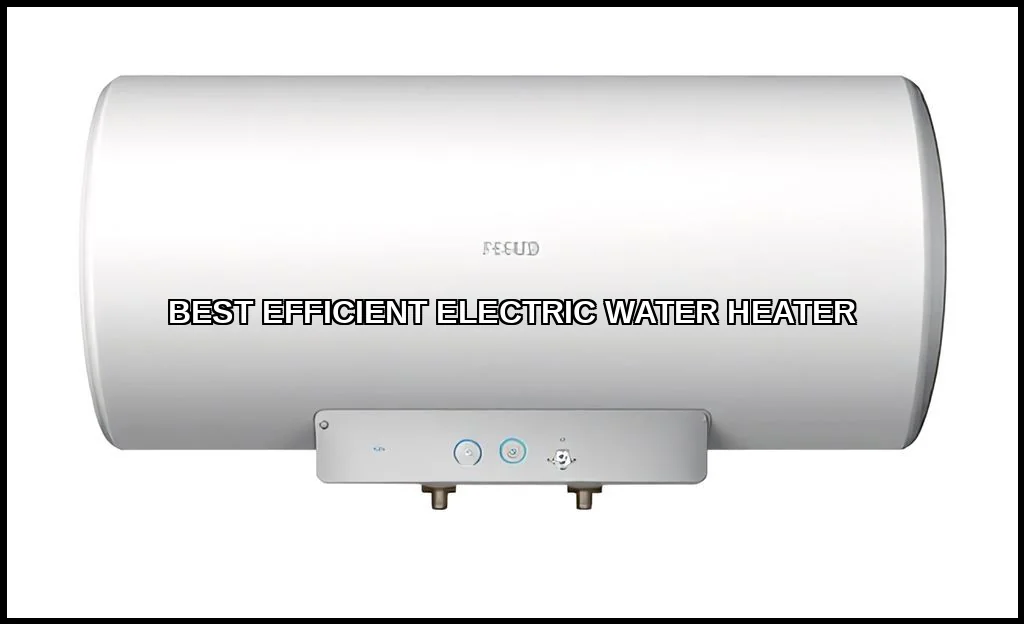
Other factors play a huge role. Good insulation minimizes standby heat loss (the energy wasted keeping a tank of water hot). Advanced heating elements and smart controls also contribute. But the biggest leap in efficiency comes from a fundamental shift in technology: moving from generating heat to moving it. That’s where heat pump technology changes the game.
Tank vs. Tankless vs. Heat Pump: Efficiency Compared
Let’s break down the three main types of electric hot water heaters. Your choice dramatically impacts your energy bills.
Traditional Electric Storage Tank
These are the workhorses. They keep a large tank of water heated 24/7. Pros include lower upfront cost and simple installation. The major con is standby loss. Even with great insulation, some heat escapes. They are reliable but often the least efficient option for continuous use.
Electric Tankless Water Heater
These units heat water on-demand, eliminating standby loss entirely. You get endless hot water and a compact footprint. Efficiency can be very high, but performance depends heavily on your climate’s incoming water temperature and your simultaneous hot water needs. For a deeper look at a premium brand, our analysis on whether Navien is good provides specific insights.
Heat Pump Water Heater (Hybrid)
This is the champion of the energy efficient hot water system. Instead of creating heat with an element, it uses a compressor and refrigerant to pull heat from the surrounding air and transfer it to the water. It can be 2-3 times more efficient than a standard electric model. The trade-off? Higher initial cost and a need for installation in a space that stays above 40F with adequate air volume.
Top 5 Most Efficient Electric Water Heaters Reviewed
Based on UEF ratings, technology, and market feedback, here are standout models for 2024. These electric water heater reviews focus on peak efficiency.
- Rheem Performance Platinum Hybrid: A top-tier heat pump water heater with a stellar UEF and smart home connectivity. Excellent for families seeking maximum savings.
- AO Smith Voltex AL: Another hybrid powerhouse known for reliability and efficient operation. A strong contender in the most efficient electric water heater 2024 conversation.
- Stiebel Eltron Tempra Plus: A leading electric tankless water heater with advanced flow control. It modulates power to deliver consistent temperature, even with varying demand.
- Bosch Tronic 3000 T: A compact and affordable electric tank option with good insulation. A solid choice for a best electric water heater for home setups with budget constraints.
- Bradford White RE Series: A reliable residential hybrid heat pump model. For more on this trusted brand, see our take on how good Bradford White heaters are for long-term value.
Cost Analysis: Purchase Price vs. Long-Term Savings
This is where the rubber meets the road. A low energy water heater often costs more upfront. But the electric water heater energy savings compound year after year.
| Heater Type | Avg. Purchase & Install | Estimated Annual Op. Cost | Key Savings Insight |
|---|---|---|---|
| Standard Electric Tank | $500 – $1,500 | $450 – $600 | Lowest upfront, highest ongoing cost. |
| Electric Tankless | $800 – $2,500 | $250 – $400 | Saves on standby loss; great for moderate use. |
| Heat Pump (Hybrid) | $1,200 – $3,000 | $150 – $300 | Highest upfront, but slashes operating costs by 50% or more. |
Costs vary by region, utility rates, and usage. The official source for energy savings calculations is a great tool.
So, are heat pump water heaters worth the cost? For most households using over 40 gallons a day, the answer is a resounding yes. The payback period is typically 3-5 years, followed by decades of lower bills.
How to Choose & Buy the Right Model for Your Home
Selecting your high efficiency electric water heater requires a practical assessment. Follow this guide.
1. Determine Your Household’s Demand
Size matters. For tank models, look at the first-hour rating (FHR). This tells you how many gallons of hot water the heater can deliver in an hour (starting with a full tank). For tankless, look at the flow rate (gallons per minute, or GPM) at your desired temperature rise.
What size efficient electric water heater do I need for a family of 4? A rough guide: a 50-gallon heat pump or a 40-gallon high-efficiency electric tank often works. For tankless, you’ll likely need a whole-home unit capable of 6-8 GPM to handle multiple showers and appliances.
2. Evaluate Your Space & Climate
Heat pump heaters need installation in a location with at least 1,000 cubic feet of air space (like a basement or garage). They also work less efficiently in very cold spaces. Tankless units may require upgraded electrical service. Measure your space and consult an installer.
3. Weigh Performance Features
- Smart Controls: Allow scheduling and vacation modes to boost savings.
- Warranty: A longer warranty often signals a more durable product.
- Hybrid Modes: Many heat pumps have a “high-demand” electric-only mode for parties.
4. Get Professional Quotes
How to choose an efficient electric water heater ends with professional input. A licensed plumber or electrician can assess your home’s specific wiring, water pressure, and placement options. They’ll ensure your energy efficient electric hot water heater is installed correctly for peak performance and safety.
The quest for the best efficient electric water heater boils down to your specific hot water use, space, and budget. If you use a lot of hot water daily, the superior efficiency of a heat pump model offers undeniable long-term value. For smaller homes or lower usage, a premium ENERGY STAR water heater in a tank or tankless design might be the perfect fit. Remember, the true cost is purchase price plus a decade of energy bills. Investing in efficiency now pays you back every month, making your home more comfortable and sustainable. Start by checking your current energy bills and measuring your spaceyour perfect, efficient hot water solution is out there.
