The best diesel heater fuel pump for most buyers is the 12V replacement that matches your heater’s model number and metering rate, because a pump that fits poorly will tick loudly, starve the burner, or quit entirely. If you want the safest quick fix, start with a direct-fit 12V pump and confirm the part number before you order.
The essentials
Match 12V or 24V first; that rules out the wrong pump before you waste time.
Check the listed part number and heater family, not just the wattage on the box.
A quieter pump usually means better mounting and metering, not magic.
If the heater loses prime, look at the fuel line, filter, and pickup before blaming the pump.
Diesel heaters belong outdoors or in a properly vented installation; the exhaust must go outside.
A diesel heater pump is a metering part, not a guess-and-pray accessory. Get the voltage, pump rate, and fitment wrong and the heater can smoke, flare, or shut down just when you need it most.
If you’re replacing the whole heater instead of just the pump, a full unit with a known pump and controller can be the cleaner buy; if the heater body still works, a matched pump is the cheaper fix.
Best Diesel Heater Fuel Pumps And Related Replacements
#1Direct-Fit 12V Pick
YiEC ZAN 12V Metering Pump
Best for Espar Airtronic D2 and D4 heaters using a 22ml pump
This is the strongest match when your heater is an Espar or Eberspacher Airtronic D2 or D4 and the original pump uses the listed part number. Its 12V design, 22ml fuel supply, transparent cover, and dual filtration make it easier to verify fit and inspect the pump. Skip the guesswork: confirm the part number before ordering.
Why it made the cut
Fits listed Espar/Eberspacher Airtronic D2 and D4 systems
Transparent cover helps check pump condition
Dual filtration
22ml fuel supply system
Good to know
For 12V systems only
Fitment is limited to listed heater systems
Skip it if Skip it if your heater is not 12V or doesn’t match the listed Airtronic fitment and part numbers.
Best for 12V diesel heaters rated for 2KW, 5KW, or 8KW
The WARMCONFORT pump suits a wider range of listed 12V diesel heater sizes than a model-specific replacement. It delivers 22ml of fuel and lists a 0.18-0.25l/h pump oil volume, so compare those figures with your heater before installing it. Its compact size and direct-core replacement design can help when space around the old pump is tight.
Why it made the cut
Listed for 2KW, 5KW, and 8KW heaters
22ml fuel flow
Compact 5.1 x 1.2 x 1.2 inch size
Direct-core replacement design
Good to know
12V only
Requires matching the listed fuel rate to your heater
Skip it if Skip it if your heater needs a different voltage or metering rate.
Best for RV, truck, boat, or trailer owners replacing the whole heater
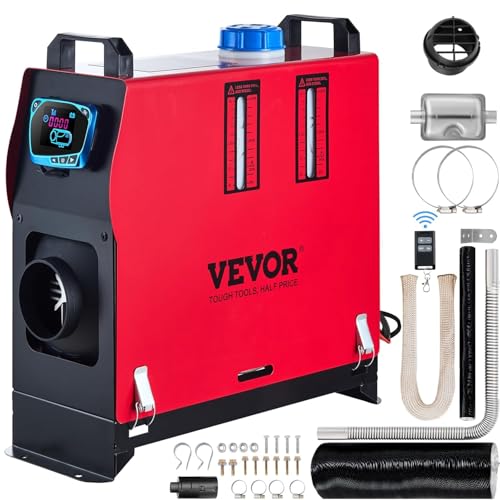
This is a full diesel air heater rather than a replacement pump, making it the practical choice when the burner, controls, and fuel system are all tired. It accepts DC 12V-24V, includes a low-noise pump, a 5L tank, remote control, and a heat-insulated exhaust shield. The listed fuel consumption is 0.18-0.36L/h for areas from 161-215 FT².
Why it made the cut
Works on DC 12V-24V
Includes pump, tank, controls, and exhaust shield
5L tank
Remote control and LCD screen
Good to know
Replaces the entire heater rather than only the pump
Rated area is limited to 161-215 FT²
Skip it if Skip it if your existing heater only needs a correctly matched replacement pump.
Best for Mobile spaces needing a 10L tank and full heater assembly
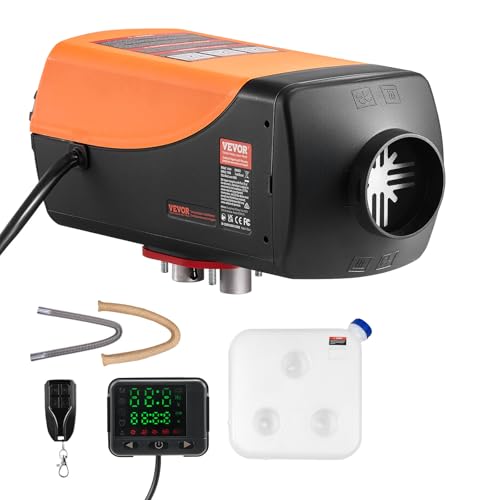
Choose this version when a larger onboard fuel tank matters more than keeping the existing heater. It runs on DC 12V-24V, includes a precision low-noise pump, and adds a 10L tank, remote control, color display, and 270℃ overheat protection. The listed fuel consumption is 0.18-0.37L/h for areas from 161-215 FT².
Why it made the cut
10L tank
Works on DC 12V-24V
270℃ overheat protection
Color digital display and remote control
Good to know
A complete heater replacement, not a pump-only repair
Uses a listed 0.18-0.37L/h fuel range
Skip it if Skip it if your heater cabinet and burner are sound and only the dosing pump has failed.
Best for Small indoor rooms where diesel fuel and exhaust aren’t wanted
This isn’t a diesel pump or diesel heater, but it can cover a small indoor space without a fuel line, pump, or exhaust system. The 1,500W ceramic heater includes thermostat control, overheat protection, 45° tip-over shutoff, and ETL certification. Its listed coverage is up to 200 sq.ft.
Why it made the cut
No diesel pump or fuel line to match
Thermostat and four heat modes
45° tip-over shutoff and overheat protection
Listed coverage up to 200 sq.ft.
Good to know
Doesn’t repair or replace a diesel heater pump
Requires a wall outlet
Limited to electric heating
Skip it if Skip it if you need to keep an existing diesel heater running from a 12V or 24V system.
The best diesel heater fuel line is the heater-compatible line with no air leaks or sharp bends, while the best diesel heater fuel pump is the direct-fit pump matching your heater’s voltage, family, part number, and metering rate. Start with voltage: a 12V pump does not belong on a 24V system, and a 24V pump won’t work correctly on a 12V heater.
Check
What to match
Fitment clue
Voltage
12V or 24V
Read the heater label and pump listing; don’t rely on appearance.
Fuel rate
The specified metering rate
A broad 2KW, 5KW, or 8KW claim isn’t enough.
Heater family
D2, D4, or the exact heater family
Family fitment narrows the correct pump.
Part number
The old pump or heater manual number
This is the strongest filter when listings are vague.
Fuel line
Compatible hose, fittings, and routing
The pump must draw and deliver fuel without leaks or kinks.
Match the complete fuel path, not just the pump voltage.
D2 and D4 fitment matters more than a seller’s broad watt claim because pulse pumps are calibrated to meter a small amount of fuel on each click. A pump can run and still deliver the wrong amount for the burner. The YiEC ZAN 12V 22ML Fuel Metering Pump is therefore a sensible candidate only when its 12V rating, stated rate, and Espar Eberspacher fitment agree with your heater’s identification label.
The pump is part of a system
Each pulse moves a measured dose of diesel, so pickup height, line length, and routing affect how reliably fuel reaches the burner. A loose connection can pull air instead of fuel; a sagging line can trap an air pocket; a kink can starve the heater and trigger a flame or startup fault. The pump itself may be fine.
Match before ordering
Photograph the heater label and old pump, then compare the voltage, connector, hose fittings, heater family, and part number. If you need the matching line and fittings as well, see unlock efficient heating before buying a pump alone.
For example, a 12V heater labeled for a D2 pump should be paired with a 12V D2-compatible metering pump and the correct fuel line, not any pump advertised for a 2KW heater. The same rule applies to the Diesel Heater Pump 12V for 2KW/5KW/8KW Car Air Heater listing: those wattage labels are a starting clue, not proof of fitment.
Choose By Voltage, Pump Rate, And Heater Size
A 12V diesel heater fuel pump must match the heater’s voltage, metering rate, and supported heater size; the heater’s BTU promise alone won’t tell you which pump belongs on it. A diesel heater fuel metering pump delivers small, timed fuel pulses, so the wrong part can underfeed the burner or send too much fuel into the burn pot.
12V
Start with the pump voltage
A 12V pump belongs on a heater designed for a 12V electrical system. Don’t substitute a 24V pump because the heater has a larger BTU rating; voltage is an electrical requirement, not a measure of heating power.
Use the pump rate as the next filter, shown in milliliters or sometimes milliliters per 1,000 strokes. The rate describes how much fuel each metered series of clicks delivers. A pump that delivers too little can leave the burner starved; one that’s too generous can flood the burn pot, cause smoke, or prevent clean ignition.
Product
Voltage
Fuel rate
Fitment
R.W.FLAME Small Space Heaters for Indoor Use
Not a diesel pump
Not applicable
Electric space heater; skip for diesel-pump replacement
YiEC ZAN 12V 22ML Fuel Metering Pump for Espar Eberspacher…
12V
22 ml listed; stroke basis not stated
Espar Eberspacher heater fitment shown in the product name
Diesel Heater Pump 12V for 2KW/5KW/8KW Car Air Heater Diese…
12V
Not stated
Listed for 2KW, 5KW, and 8KW car air heaters
VEVOR 8KW Diesel Heater All in One DC12-24V Fast Heating
DC12-24V heater
Pump rate not stated
Complete 8KW heater; don’t treat the title as proof that its pump fits another heater
VEVOR 8KW Diesel Heater
Not stated
Not stated
Complete 8KW heater; no replacement-pump fitment stated
Use the heater’s model number and original pump marking to verify any missing rate or fitment detail.
Heater size narrows the choice only when the product data says it does. The 12V pump listed for 2KW/5KW/8KW heaters gives you that stated range; a pump advertised for one 8KW heater doesn’t automatically suit every 2KW or 5KW unit. Match the model number, voltage, connector, and metering rate before ordering.
Myth
A bigger pump will make a diesel heater produce more heat.
Fact
The burner is designed for a controlled fuel rate. Extra fuel can flood the burn pot instead of adding useful heat, while the wrong electrical rating can stop the pump from operating correctly.
Worked example
Say your old pump is marked 12V and 22 ml, and the replacement listing says 12V and 22 ml for the same heater family. That is a sensible match to verify further. A 12V pump with no rate or model fitment is still a guess, even if the heater is rated at 8KW.
Quiet Pumps Need Solid Mounting
A quiet diesel heater fuel pump still makes a regular ticking sound by design, but loose mounting, poor routing, and trapped air can make that sound harsh enough to suggest a bad part. The pump’s piston pulses fuel in measured doses, so a firm bracket, soft isolation, and the correct mounting angle matter.
If your diesel heater pump is noisy, check the installation before ordering another one. A loose bracket can buzz against the body, while a hard fuel line touching sheet metal can turn each tick into a small drumbeat. Air in the line may cause irregular ticking, delayed ignition, or burner starvation.
Check
What to look for
Pump bracket
Tight, supported, and isolated from the heater’s metal housing
Fuel line
No sharp bends, pinches, leaks, or contact with sheet metal
Filter
Installed in the correct direction and free of blockage
Air in the line
Prime or bleed it using the heater’s instructions before judging the pump
A noisy pump is often an installation problem, not a failed motor.
Reduce the vibration
Use the supplied rubber mount or an appropriate vibration isolator, secure the fuel line with clamps, and keep the pump close enough to limit long runs where air pockets can form. Follow the heater manual for the pump’s outlet angle; guessing here can affect fuel delivery.
Before replacing the pump
Filter is present, clean, and facing the right direction
Bracket and mounting screws are tight
Fuel line is supported and clear of sharp metal edges
Prime or bleed steps have been completed
Pump part number and metering rate still match the heater
Don’t silence the safety devices
Never bury the pump in insulation or block heater ventilation to hide the noise. Keep the fuel system, exhaust, and combustion-air openings installed as the manufacturer specifies.
If the pump is correctly mounted but you want a quieter complete setup, compare the options in the silent diesel heater showdown rather than treating a louder installation as proof that every replacement pump is defective.
Know When A Full Heater Is The Better Buy
A diesel heater replacement pump makes sense when the burner, controller, glow plug, housing, and wiring are still sound; a complete 8kw diesel heater with pump is the better buy when several of those parts are failing. Swapping one pump into a heater with a cracked housing or weak glow plug usually postpones the same cold-weather problem.
Look at the VEVOR 8KW Diesel Heater All in One DC12-24V Fast Heating and the VEVOR 8KW Diesel Heater as examples of full replacements rather than bare pump repairs. Their product data includes an onboard pump, remote, display, and fuel tank, which gives you a matched group of parts instead of making the old controller and burner cooperate with a new pump.
Choice
Makes sense when
Replacement pump
The heater body, burner, controller, glow plug, wiring, tank, and exhaust parts are serviceable
Complete heater kit
The old unit has several faults, damaged housing, unreliable controls, or hard-to-source matching parts
5L tank version
You want a smaller fuel reserve and are comfortable refilling sooner
10L tank version
Longer unattended intervals matter more than carrying less fuel
Tank size changes refueling frequency; it isn’t a direct score for heater performance.
Buy the whole heater
Pump and heater components are matched
A remote and display may already be included
A damaged old burner or controller leaves the repair cycle behind
Replace only the pump
You replace working parts too
The unit still needs correct exhaust, wiring, fuel, and mounting
Tank size and physical fit may not suit your installation
Worked example
Say your existing heater has a noisy pump, intermittent controller, and a glow plug that no longer starts the burner reliably. A pump alone addresses one symptom; a complete kit addresses the matched control and combustion package, provided its tank, voltage range, physical size, and exhaust arrangement suit the installation.
Replacement choicePump only if the rest of the heater chec
Full-kit examplesVEVOR 8KW Diesel Heater models
Power input12V–24V DC
Van and RV owners should verify the listed 12V–24V DC operating range against the vehicle system and check the product’s stated altitude limit before ordering. High-elevation operation can require a model or setting intended for that altitude; a bigger BTU label won’t settle that question.
Check Safety, Exhaust, And Wiring Before You Buy
Diesel heater safety depends on the whole installation: the heater must send exhaust outside the living space, and a working carbon monoxide (CO) alarm should be nearby. A pump replacement can’t make an unsafe exhaust route or a leaking fuel connection safe.
Keep Exhaust Outside
Never run a diesel heater in a closed cabin, tent, or vehicle without the exhaust routed outside as the heater manual requires. Diesel heaters produce carbon monoxide, which can be deadly and has no reliable warning smell. Stop using the heater if exhaust enters the space, a CO alarm sounds, or anyone feels unwell; move to fresh air and get help.
Indoor use belongs only to a purpose-built system installed and vented for that space. Follow the heater manufacturer’s instructions for exhaust routing, clearances, wiring, and ventilation; if local rules are stricter, follow those. A portable or vehicle heater’s presence indoors doesn’t make every installation suitable for indoor use.
The Pump Isn’t The Whole Job
Check the wiring and connections for damage, the exhaust for a secure route outside, and the fuel line for sound seals. The fuel cap must also fit and seal properly. A loose electrical connection can interrupt pump operation; a fuel leak or exhaust leak creates a separate hazard that a new pump won’t fix.
Before buying, look for installation instructions and any listing or approval information for the complete heater system, not just the replacement pump. If you can’t verify that the heater, exhaust arrangement, and installation meet the manual and local requirements, pause and ask a qualified technician to check them.
In short
Route diesel heater exhaust outside and keep a working CO alarm nearby. Don’t run the heater in an enclosed cabin, tent, or vehicle without its required venting.
Run This Check Before You Order Or Install
A diesel heater pump replacement checklist starts with the exact voltage, model, and metering rate—not a guess based on the heater’s advertised size. To choose a diesel heater fuel pump, match the heater and pump details to the listing, then check that the fittings and mounting suit your installation.
Before You Order, Bleed, Or Reassemble
Read the voltage on the heater and the replacement pump; confirm they match exactly.
Match the heater model and pump part number to the listing. Confirm the stated fuel rate, too.
Check that the fuel line is the right length and can run without kinks or strained connections.
Confirm the pickup and filter are compatible with the setup and can sit in the intended locations.
Check that the pump bracket can mount in the available spot and that the line and wiring can reach without pulling tight.
Before bleeding or reassembling, inspect fuel connections and wiring, and follow the heater manual’s procedure. Stop if you find a leak, damaged wire, or unclear installation instruction.
If the heater label is missing or the listing doesn’t identify a compatible model or metering rate, contact the seller or a heater technician before ordering. A broad 2KW/5KW/8KW label alone doesn’t confirm a pump match.
In short
Match voltage, heater model, part number, and fuel rate. Check the line, pickup, filter, and bracket against your actual installation before you order or reassemble.
More Questions, Answered
How do I know if my diesel heater fuel pump is 12V or 24V?
Check the pump label, heater label, controller documentation, or wiring diagram for the voltage. Measure the vehicle or battery system only as a cross-check; a 24V pump on a 12V heater won’t meter fuel correctly, and the wrong voltage can damage the pump or control board.
What fuel rate should a diesel heater metering pump have?
Use the fuel rate specified for your heater model and output setting, usually listed in the manual or replacement-pump details. A pump with the wrong rate can make the burner smoke, soot up, fail to ignite, or overheat, even if its voltage and connector fit.
Why is my diesel heater fuel pump ticking so loudly?
Some ticking is normal because the solenoid pulses fuel to the burner. Harsh noise often comes from a rigid mounting surface, a loose bracket, contact with the body, or air in the fuel line; secure the pump as directed and check the line for leaks before blaming the pump.
Can I use a diesel heater pump with a different heater model?
Only if the manufacturer or replacement-parts listing confirms compatibility. Matching the plug alone isn’t enough: voltage, metering rate, pump orientation, fuel connections, and the heater’s control signal must also agree.
Should I replace the pump or buy a whole diesel heater?
Replace the pump when the heater has one clear pump-related fault and its burner, glow plug, controller, wiring, and housing are in good condition. A complete heater is usually the more sensible repair when several parts are failing, the unit has corrosion or damaged wiring, or you can’t verify which replacement parts fit.