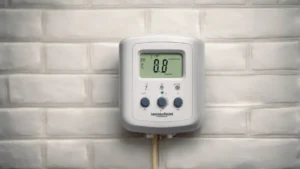
Best central heating service contracts usually include one annual tune-up, priority scheduling, and a repair discount; the right plan pays off when a single callout would cost more than a year of coverage. Pick the plan that matches your system age and repair risk, not the one with the longest brochure.
Key takeaways
Pick the plan that covers a real annual inspection, not just a quick look at the thermostat.
If the yearly fee is close to a one-time tune-up, the repair discount has to be meaningful for the contract to pay off.
Check caps, exclusions, and response times before you sign; those three lines decide whether the plan is useful.
Older boilers and older controls usually justify broader coverage than a new system still under warranty.
If the plan excludes common failures like pumps, igniters, or labor, skip it and pay per visit.
Get this wrong and you either pay twice for the same tune-up or you skip maintenance until the boiler complains in the middle of a cold snap. The expensive part is usually not the annual visit; it’s the after-hours repair with a dead circulation pump and a house cooling down by the hour.
A solid contract should be boring in the best way. Clear coverage, a real response window, and no surprises when the technician opens the cupboard and starts reading serial numbers like a priest at confession.
How The Top Picks Compare
#1Best Overall
DREO Portable 1500W PTC Heater
Best for Bedrooms and offices needing quiet, precise supplemental heat
DREO combines 1500W PTC heating with a thermostat adjustable from 41-95°F in 1°F increments. Its 34dB operation, remote control, tilt detection, and overheat protection suit a room where you want supplemental heat without constant trips to the heater.
Best for Occupied rooms where remote control and washable filtration matter
The CopperPLUS offers high mode at 1500W and low mode at 1000W, with 24 preset settings from 40-90°F. Its washable filter, wheels, remote, dual overheat sensors, and automatic tip-over shut-off make it a practical zone-heating pick for occupied rooms.
Best for Bedrooms, offices, and other spaces up to 200 sq ft
R.W.FLAME is sized for spaces up to 200 sq ft and uses 1500W ceramic PTC heat with a thermostat accurate to ±1°F. The 24H timer, child lock, remote, and 45° tip-over shutoff are useful when the heater moves between rooms.
Heat output 1500WRoom coverage Up to 200 sq ftNoise 35dBTimer 24HSafety Overheat protection and 45° tip-over shutoff
Why it made the cut
Rated for spaces up to 200 sq ft
±1°F thermostat precision
24H timer and child lock
35dB operation
Good to know
Small-room coverage only
The 24H timer can encourage longer unattended run times if used carelessly
Skip it if Skip it if you need heat beyond the stated 200 sq ft coverage.
Best for Small rooms where oscillation and remote controls are useful
WINHL pairs 1500W PTC ceramic heat with 70° automatic oscillation to spread warm air across a small room. The remote handles temperature, fan speed, modes, and timer settings, while overheat protection and tip-over shutoff add basic safeguards.
Heat output 1500W PTC ceramicOscillation 70°Timer 12HModes 5 modesPower Plug directly into a wall outlet
Why it made the cut
70° automatic oscillation
1500W PTC ceramic heat
Remote control
Overheat protection and tip-over shutoff
Good to know
The data doesn’t state a room-size rating
Remote requires 2 AAA batteries
Skip it if Skip it if you need a stated room-coverage limit or a heater with a washable filter.
Best for Small spaces where a compact flame effect matters
This 2.2-pound portable heater adds a 3D simulated carbon-fire effect while its ceramic heating element and internal fan deliver warm air. Temperature settings from 15-32°C, three air speeds, a 1-8H timer, and overheat protection keep the controls simple.
Temperature range 15-32°CTimer 1-8HAir speeds 3 gearsWeight 2.2lbsSafety Overheat protection
Why it made the cut
2.2-pound compact design
3D simulated carbon-fire effect
15-32°C temperature range
1-8H timer and three air speeds
Good to know
The data doesn’t state wattage or room coverage
Fewer control details than the other remote-equipped picks
Skip it if Skip it if you need a stated heat output, room-size rating, or remote control.
A mid-tier central heating service contract is the best choice for most households: you get one proper annual tune-up, priority scheduling and a useful discount on repairs without paying for every possible failure in advance. That is the practical answer for anyone comparing a central heating service contract, central heating maintenance contracts or even the misspelled “maintence contract for central heating”.
Start with the middle tier because the cheapest plan often protects the visit but leaves the costly work outside the agreement. A low-cost plan may save cash up front, then charge full labor for the pump, igniter or control board that actually stops the heat. Best central heating replacement services are a separate question: replacement means choosing new equipment, while a service contract keeps existing equipment inspected and repaired.
In short
Choose the middle tier if your system is past its early warranty years or a missed heating call would be difficult to absorb. Choose the basic plan only when you mainly want scheduled maintenance and can pay repair labor separately.
Good fit
One annual visit creates a regular check before winter demand peaks.
Priority scheduling can reduce the wait during a cold spell.
A repair discount lowers the labor or service charge on covered calls.
Poor fit
The annual fee can exceed your repair spending in a trouble-free year.
Parts, major failures and code-related work may still be excluded.
A long list of perks is useless if the technician only signs a form.
The annual fee earns its place only if the technician inspects, cleans and tests the system, then records what was found. Ask whether the visit includes combustion or electrical checks appropriate to your equipment, safety-control testing and a written list of defects; a worksheet signed without a real inspection is expensive stationery.
1 visit
Minimum useful maintenance allowance
One annual tune-up is the starting point for a serious plan, provided the contract defines the work instead of calling it a vague “service.”
If you want to compare plan structures before reading individual offers, use these best central heating service plans as a next step; then check each provider’s exclusions against your own boiler, furnace or heat-pump model.
From HeaterGuides · our own guidePage 6 is the decision guide: heat pump, furnace, boiler or hybrid, with your own numbers.Heating System Upgrade PlannerChoose between a heat pump, a furnace, a boiler or a hybrid with your own numbers, and hire the right installer.Every system compared side by side25 questions for contractors, red flagsRunning-cost, payback and quote calculator (Excel)$14.99$9.99Get it for $9.99See what's inside and watch the 2-minute video →16-page printable PDF + Excel calculator · instant download · 30-day refund
What A Service Contract Should Cover
A useful central heating service contract should spell out one annual tune-up, priority scheduling and a clear repair discount; anything less needs a very low fee or a good reason. Those are the core items to compare in central heating maintenance contracts, gas central heating repair contracts and searches for a central heating boiler and heating service contract UK readers may use.
The heating services on offer for central heating can sound impressive while covering little beyond a phone number. For most homeowners, labor coverage matters more than boiler-cleaning extras or an attractive emergency label, because a technician’s time can turn a small part failure into a large bill. The agreement should say whether the discount applies to labor, parts or both, and whether a callout charge remains.
Contract item
Useful wording to look for
Question to ask
Annual tune-up
Inspection, cleaning and operating or safety tests
What does the technician actually check and record?
Priority scheduling
A defined response target or priority queue
How quickly does someone come out during a cold spell?
Repair discount
A stated labor, parts or callout reduction
Does the discount apply to the failure most likely on my system?
Major components
Named coverage or named exclusion
Are the pump, igniter and heat exchanger covered?
Ductwork and code work
Clear limits and exclusions
Who pays if access, venting or code changes are needed?
Compare the contract wording, not the number of benefits in the brochure.
Verify Before Buying
Which parts and labor charges are covered, discounted or paid in full by you?
What dollar cap, visit limit or annual claim limit applies?
Are the heat exchanger, pump, igniter and ductwork excluded?
Are code upgrades, access work and damage from poor installation excluded?
What happens if the technician finds unsafe venting, wiring or combustion problems?
How fast does priority scheduling actually get someone to your home?
Does the plan cover your exact fuel type and equipment model?
Read The Exclusions First
Heat exchangers, pumps, igniters and ductwork often sit outside basic plans, while code upgrades and damage from poor installation may be excluded even when the failed part is listed. A contract that covers diagnosis but excludes the repair can still help, but price it as a discounted service visit rather than full protection.
Ask for the contract before handing over payment and look for caps, waiting periods and renewal terms. If the company cannot explain who pays for the part, labor, callout and any required code upgrade, the agreement is too vague to compare fairly.
What The Contract Costs Over Five Years
Compare central heating maintenance contracts over five years, not by the monthly payment alone: one cheap plan can cost more than pay-per-visit service if its repair discount is tiny or its labor cap catches you out.
Worked Example
Assume a hypothetical £140-a-year contract includes one annual tune-up and gives 25% off one £700 repair. Pay-per-visit service costs £110 for each tune-up, while the same repair costs £700 without the contract. These are simple assumptions for the comparison, not quoted market rates.
Hypothetical figures show the break-even point; check the actual fee, discount and exclusions in your contract.
That example breaks even with one substantial repair, but the result changes quickly if the contract costs more or the discount applies only to parts. A £100 plan that caps covered labor at £150 may leave you paying most of a pump or control-board callout yourself.
Older systems are more likely to reach the break-even point because pumps, valves and controls accumulate wear before the boiler itself gives up. A newer boiler with a clean service history may get better value from an annual tune-up plan and a repair fund than from broad parts-and-labor cover.
Check Before Signing
Ask for the five-year total, the repair labor cap, the parts covered, the excess per visit and any waiting period. For a UK central heating boiler and heating service contract, those details matter more than the plan name.
How To Choose Coverage For Your System
Choose coverage from the parts your system can realistically wear out: a newer gas boiler may need a tune-up plan, while an older boiler often justifies parts-and-labor cover.
Gas central heating problems commonly involve the boiler controls, ignition components, thermostat or circulation pump. Oil-fired systems add a burner, fuel filter and nozzle that need their own service attention; understanding how oil central heating works means knowing that the burner heats water and a pump sends it through the radiators. Pump-driven hydronic systems can still leave rooms cold when the thermostat, pump or air balance is wrong.
Myth
A contract that says “boiler covered” covers every cold-room callout.
Fact
Coverage may exclude the thermostat, circulation pump, radiators, controls or labor above a stated limit. Those exclusions matter because thermostat faults and pump problems can cause nuisance calls even when the boiler fires normally.
Match The Tier
Newer system: annual tune-up and priority scheduling may be enough.
Older boiler: parts-and-labor cover can limit the cost of worn pumps, valves and controls.
Oil-fired system: choose a plan that names burner and fuel-system service.
Skip The Tier
Broad cover costs more each year.
Some plans exclude age-related parts or cap labor.
A low-cost plan may cover diagnosis while leaving the repair bill with you.
For gas central heating repair contracts, compare the covered components with your boiler’s service history rather than assuming every gas appliance has the same failure pattern. If the contract doesn’t cover the parts most likely to fail in your system, don’t buy it.
For a separate backup
EdenPURE CopperPLUS Infrared Heaters for Indoor Use Portable 1000 Sq…
If one room needs occasional electric heat while a technician handles a central-heating fault, the EdenPURE CopperPLUS Infrared Heater is a separate room-heating option—not a substitute for repairing the boiler, pump or thermostat.
Call for service when your central heating leaks water, bangs, short-cycles, leaves radiators cold, uses noticeably more fuel, or never reaches the thermostat setting. Turn the heating on when rooms stop holding a comfortable temperature; a room thermostat around 18–21°C suits many homes. The boiler’s flow temperature is a separate setting, so follow its manual or ask a technician before changing it.
In short
Water around a valve, joint or boiler is a same-day service concern, not a spring project. Pressure loss and water damage rarely improve by themselves.
Call For Service If You Notice
Water around a radiator valve, pipe joint, boiler or discharge pipe
Banging, gurgling or repeated knocking from pipes
The boiler starts and stops every few minutes
One or more radiators stay cold after the system runs
Fuel use rises without a clear change in weather or schedule
The room remains colder or warmer than the thermostat setting
Bleeding a radiator is reasonable as a homeowner check when the top is cold and the bottom is warm. Turn the heating off, let the radiator cool, place a cloth under the bleed screw, open it slightly with a radiator key until air stops hissing, then close it; check the boiler pressure as the manual directs. A pressure drop, leaking valve or radiator that stays cold calls for service.
Leave These Jobs To A Technician
Gas connections, flue and other venting work, and repairs to a sealed heating system belong to a licensed technician in most places. Stop using the boiler and seek urgent help if you smell gas, see scorching, hear violent banging, or a carbon monoxide alarm sounds; don’t remove covers or keep resetting the boiler.
Frequently Asked Questions
How do I compare central heating maintenance contracts?
Add the annual fee, callout charges, excesses and likely repair costs, then subtract any stated discounts. Check the renewal terms, cancellation rules, response times and exclusions; a low monthly payment can hide a large per-visit charge.
Is a central heating service contract worth it for an older boiler?
For an older boiler, coverage can pay off if one repair would strain your budget and the contract includes parts and labor. Check the age limit, pre-existing fault rules and replacement exclusions first, because some plans cover servicing but not a failing heat exchanger or full boiler replacement.
What should a central heating service contract include?
At minimum, look for one annual service, priority scheduling, a stated repair discount and clear callout terms. The agreement should also name covered equipment, labor limits, response times and the parts it excludes rather than leaving those details in a sales conversation.
Do service contracts cover central heating leaks?
Some plans cover a leaking boiler or heating component, while others cover only the service visit and exclude pipework, corrosion or pre-existing leaks. Ask specifically if water leaks, emergency callouts, replacement parts and labor are included; don’t keep running a boiler that is losing pressure or leaking water.
How often should you bleed a radiator in a central heating system?
Bleed a radiator when its top stays cold, it makes gurgling sounds or it has been removed or repaired, rather than on a fixed monthly schedule. Turn the heating off and let the radiator cool first, then check the boiler pressure afterward because bleeding can lower it.
When should you turn on central heating in the fall?
Turn it on when indoor temperatures start falling below your comfortable thermostat setting, not on a particular calendar date. Run a short test before the first cold spell and arrange the annual boiler service early enough to catch low pressure, ignition faults or cold radiators.
What is the right temperature for a central heating system?
A room thermostat around 68–70°F is a reasonable starting point for many homes, then adjust it for comfort and room use. Boiler flow temperature is a separate setting that should follow the boiler and radiator manufacturer’s guidance; setting it too low can leave rooms cold or cause long run times.
Before you go · a welcome giftGet the Heating System Upgrade Planner for $4.99Choose between a heat pump, a furnace, a boiler or a hybrid with your own numbers, and hire the right installer. Normally $14.99; your welcome price saves $10.00. We'll email your link right now.or buy it now for $9.99 without the gift →One email with your link now. We never share your address.


 Heating System Upgrade PlannerChoose between a heat pump, a furnace, a boiler or a hybrid with your own numbers, and hire the right installer.Every system compared side by side25 questions for contractors, red flagsRunning-cost, payback and quote calculator (Excel)