Why This 60 Amp Tankless Water Heater Changed My Life!
On this page 6 sections
The half-true belief is that tankless means endless hot water. You can keep drawing hot water, but the unit still has a limit on how much it can heat at once.
That distinction matters most on a cold winter morning, when incoming water is colder and two fixtures may be running together.
Why This 60-Amp Tankless Water Heater Changed My Life
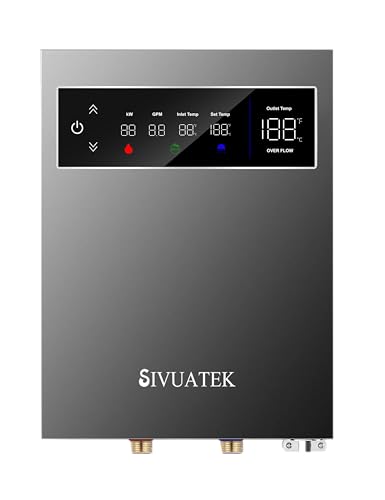
A 60-amp tankless water heater can provide continuous hot water only while its heating capacity matches your winter inlet temperature and demand; 60 amps describes an electrical requirement, not whole-house output. The supplied 14 kW unit requires one 60-amp, 240 V circuit, but its rating alone doesn’t show how much hot water it can deliver at your home’s winter water temperature.
Electric tankless elements heat water as it passes through the unit. More flow or colder incoming water means less heat is available for each gallon, so water can arrive cooler or you may need to reduce flow when demand exceeds capacity.
| Measure | What it tells you | What it doesn’t tell you |
|---|---|---|
| 60 A circuit | Electrical supply the listed unit requires | How many showers it can serve |
| 14 kW heating power | The unit’s stated rate of electrical heat input | Its winter flow rate without inlet-temperature data |
| Real-world capacity | Whether output meets your temperature rise and simultaneous demand | A guarantee based on amps alone |
Treat claims of easy installation, long life, savings, or customer results as unverified unless the product documentation supports them. A 60-amp, 240 V circuit also needs suitable wiring and service capacity; have a licensed electrician assess the installation rather than assuming an existing circuit will do.
Before replacing a storage heater, check the unit’s nameplate and installation manual, your household’s simultaneous hot-water demand, and the home’s electrical service. For more on the circuit side, see how many amps a tankless water heater uses.
How to Size a Tankless Water Heater in Winter

Size a tankless water heater by the temperature rise it must provide and the flow rate of fixtures running at the same time. Tankless hot water heaters can serve one fixture well and still fall short when a shower and another tap draw water together.
Temperature rise is the set outlet temperature minus the incoming water temperature. In a hypothetical example, a 105°F outlet and 40°F winter inlet require a 65°F rise; colder groundwater means the heater must add more heat to each gallon.
| Use case | Flow to check | Sizing question |
|---|---|---|
| One shower | Shower’s actual flow | Can the unit maintain the desired outlet temperature at winter inlet conditions? |
| Shower plus sink | Both flows added together | Does the chart support the combined GPM at the needed temperature rise? |
Use the manufacturer’s flow-versus-temperature-rise chart with your local winter groundwater temperature; a headline GPM figure without its temperature conditions can mislead. The available product data gives this unit a 14 kW rating and a 60-amp circuit requirement, but no guaranteed whole-house winter flow rate.
Tankless Water Heater Cost: Power, Installation, and Upkeep
Tankless water heater cost has three parts: electricity or fuel while heating, the installed system, and upkeep. For an electric unit, estimate energy use by multiplying its power in kilowatts by the hours it actively heats water, then by your electricity rate; it doesn’t draw full rated power all day.
Upfront cost depends on the unit and what your home needs: electrical capacity, plumbing changes, permits, and labor can all affect the quote. Ask an installer to assess the site before comparing prices; a unit that needs a service or wiring upgrade can change the total substantially.
Follow the manufacturer’s maintenance schedule, including any required flushing or descaling. Hard water can leave mineral scale inside the heat exchanger; if that’s a concern, compare the best water softeners for tankless water heaters.
 Water Heater Owner's ToolkitFix the common faults yourself, keep it running for years, and know when a repair is money wasted.No-hot-water flowcharts, gas and electricFlush, anode, relief valve and descaling stepsRepair-or-replace calculator (Excel)
Navien, Rinnai, and Noritz Tankless Water Heaters
Navien tankless water heater, Rinnai tankless water heater, and Noritz tankless water heater searches lead to three brands you may encounter, not a clear winner. Features and fuel type vary by model, so compare the exact specifications against your home’s needs.
A search for best tankless water heaters 2025 is a dated buying query. Check current model documentation and local installer support rather than assuming a list from last year still fits.
| Compare | What to verify |
|---|---|
| Fuel | Natural gas, propane, or electricity, as applicable to the exact model |
| Electrical service | Required circuit and electrical capacity |
| Output | Flow rate at the temperature rise your home needs |
| Venting | Approved vent type and installation requirements |
| Warranty and service | Warranty terms and availability of qualified local service |
| Installation | Required plumbing changes, permits, and installer qualifications |
For a side-by-side look at specific products, use this tankless water heater buying guide; don’t choose by brand name alone.
Tankless Water Heaters With Heat Pumps
A “tankless water heater with heat pump” usually refers to one of two different systems: a heat pump water heater that stores hot water in a tank, or an electric tankless heater that heats water as it flows. Most residential heat pump models are tank-style, not tankless.
| Heat Pump Water Heater | Electric Tankless Water Heater |
|---|---|
| Moves heat from surrounding air into water stored in a tank. | Uses electric resistance elements to heat water on demand. |
| Needs room for the tank and time to recover after stored hot water is used. | Needs no storage tank, but flow is limited by its heating capacity and incoming water temperature. |
| Check the unit’s space and electrical requirements. | Check the electrical service and circuit requirements before buying. |
Choose a heat pump water heater if you have room for a tank and can plan around its recovery time; choose electric tankless if you need on-demand heating and your home’s electrical service can support it. For model options, see electric tankless water heaters.