Stay Warm This Winter: Best 30,000 BTU Propane Heater Review
On this page 8 sections
A heater that is too small runs flat out and still leaves the room cold. A heater that is the wrong fuel can waste money, trip safety rules, or simply be unsafe indoors.
The models below split cleanly by use: indoor wall heat, no-power backup heat, and outdoor-only propane heat. Pick by room size, fuel, and whether you need it to run without electricity.
Heater Comparison at a Glance
| Model | Best for | Heat output | Fuel / power | Best for | Safety / controls | Price |
|---|---|---|---|---|---|---|
| DREO Smart Electric Wall Heater Large Room | Top Indoor Pick | 1500 W | Electric | Indoor rooms up to 750 sq. ft. | Overheat protection, remote, app, Alexa | Why it is here |
| Brightown Wall Heater 1500W with Thermostat | Best Budget Indoor | 1500 W | Electric | Small rooms and bathrooms | ETL-listed, overheat protection, remote, Alexa | Why it is here |
| ProCom MNSD300TGA Ventless Propane Heater | Best Gas Indoor | 30,000 BTU | Propane or natural gas | Garages, workshops, homes up to 1,000 sq. ft. | Cool touch cabinet, thermostat control | Why it is here |
| ProCom ML300HBA-B Propane Heater with Base Feet | Best Portable Gas | 30,000 BTU | Propane | Portable garage heat up to 1,400 sq. ft. | Oxygen depletion sensor, manual control | Why it is here |
| SISUPASSIE 30000BTU Portable Propane Heater | Best Outdoor Propane | 30,000 BTU | Propane | Outdoor patios, camping, garages | Auto shut-off, tip-over protection | Why it is here |
Best Heaters to Stay Warm This Winter

DREO Smart Electric Wall Heater Large Room

Brightown Wall Heater 1500W with Thermostat
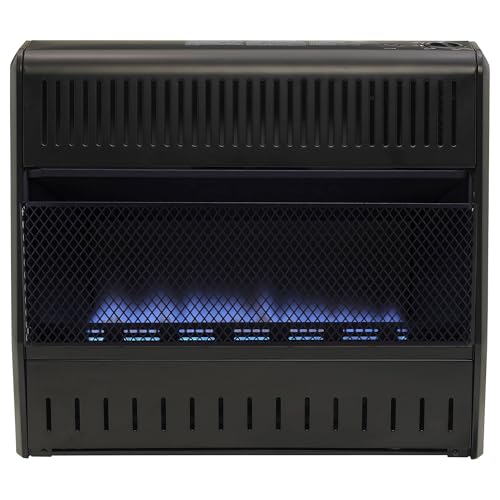
ProCom MNSD300TGA Ventless Propane Heater

ProCom ML300HBA-B Propane Heater with Base Feet

SISUPASSIE 30000BTU Portable Propane Heater
How To Stay Warm This Winter

The first rule to stay warm in winter is simple: use an indoor-rated heater inside and leave outdoor propane heaters outside. Indoor heaters meet strict safety standards for enclosed spaces, while outdoor models lack the ventilation safeguards you need inside.
Electric wall heaters are the easiest option if your home has reliable power. They plug into standard outlets, produce steady heat, and often include thermostats and remote controls. For example, a 1,500-watt heater running 8 hours uses 12 kWh; at 17 cents per kWh, that costs about $2.04 a night.
Propane heaters shine when power fails because they run independently of electricity. But they need careful ventilation to avoid carbon monoxide buildup. That means only use indoor-rated propane heaters with oxygen depletion sensors and keep a working CO alarm nearby.
The best pick for most people is a smart electric wall heater. These units deliver consistent warmth, let you control temperature remotely or on a schedule, and don’t require refilling fuel tanks. They fit well in living rooms and bedrooms with electric service.
If you want heat during outages or in a garage, a 30,000 BTU propane heater like the SISUPASSIE is a strong choice. But that size is overkill for small bedrooms or closed spaces, where it wastes fuel and raises safety concerns.
Without power and no fuel sources like propane or wood, staying warm at home means layering clothing, using blankets, closing off unused rooms, and sealing drafts. Portable battery-powered heated clothing and blankets can help, but they won’t replace a heater’s warmth for long periods.
If you lack electricity, propane, and wood fires, your options focus on insulation and body heat. But planning ahead with a backup propane heater or a reliable electric model is the best way to stay warm when winter hits hard.
Which Heater Fits Your Room
If you want to stay warm this winter, picking the right heater for your room size and usage is key. Most indoor rooms do well with electric wall heaters, while garages and large spaces often need propane models.
Electric wall heaters like the DREO Smart Electric Wall Heater (Product 4) are great all-around indoor choices. It mounts on the wall, saving floor space, and offers app and voice control. Rated to heat up to 150 sq ft as a primary source, it also supplements heat in rooms up to 750 sq ft. If you normally keep rooms cool in summer but want reliable winter warmth, this unit’s thermostat control lets you maintain steady comfort without running up power bills.
For smaller rooms on a budget, the Brightown Wall Heater (Product 5) delivers 1,500 watts of heat with five modes and a thermostat range from 40 to 99°F. It includes ETL-listed overheat protection, which is vital for safe all-night use in bedrooms or offices where you want simple, dependable heat.
| Heater Model | Type | Best For | Key Features |
|---|---|---|---|
| DREO Smart Electric Wall Heater | Electric wall | Indoor rooms up to 150 sq ft primary, up to 750 sq ft supplemental | Wall-mount, app and voice control, thermostat |
| Brightown Wall Heater | Electric wall | Small rooms on a budget | 1,500 W output, five modes, thermostat 40-99°F, overheat protection |
| ProCom MNSD300TGA | Ventless propane | Large indoor spaces, garages | Thermostat control, dual-fuel capable |
| ProCom Liquid Propane Heater | Ventless propane | Garages, large spaces without electric | No electricity needed, propane only |
| SISUPASSIE 30000BTU | Outdoor propane | Patios, camping, open garages | Outdoor use only, high BTU output |
How Long A 20 Lb Tank Lasts
A 20 lb propane tank lasts only as long as the heater’s burn rate and setting allow, so estimates vary with heat demands and cycling.
A gallon of propane holds about 91,500 BTU. A 30,000 BTU heater running full blast consumes roughly 0.33 gallons every hour (30,000 ÷ 91,500). Since a 20 lb cylinder contains about 4.7 gallons, expect around 14 hours at continuous full output before empty.
Heat needs change with conditions. Say you want to keep a 150 sq ft cabin warm at 30°F below zero. A 30,000 BTU propane heater is roughly the right size to overcome heat loss there. It won’t run nonstop because a thermostat cycles fuel use. That cycling could easily double the tank life, but it depends on insulation and how cold it gets inside.
| Heater Type | Power/Output | Fuel or Power Used |
|---|---|---|
| Propane heater | 30,000 BTU | ~0.33 gal propane/hour |
| Electric wall heater | 1,500 W | 1.5 kWh/hour |
Electric heaters, like a 1,500 W wall unit, draw current from household power. Running it 8 hours at 1.5 kW equals 12 kWh (1.5 × 8). At 17 cents per kWh, that’s about $2.04 per night. Thermostats limit runtime by switching off heat once the set temperature is reached, lowering actual cost.
Water stays warm in an electric tank thanks to insulation and a thermostat-controlled heating element cycling on and off. Typical tanks lose heat slowly, so water can stay hot for 12 to 24 hours without extra energy input. Pool heaters, by contrast, run longer and may use gas or electric power to maintain temperature, with heat loss influenced by surface area and cover use.
Understanding these fuel and power use basics lets you estimate running costs and tank life more realistically. Higher heat output means faster fuel drain, so size your heater for your space and don’t expect a 20 lb tank to last days at full throttle.
Safety And Certification Checks
Carbon monoxide poisoning is the main risk with fuel-burning heaters, especially propane models used indoors. An indoor-rated propane heater must have the ventilation the manual requires plus a properly working carbon monoxide alarm in the room.
Product 3 includes an oxygen depletion sensor and automatic shutoff, which adds protection in indoor propane use. Still, it requires the clearance and ventilation rules the manual spells out.
Electric wall heaters like Product 4 and Product 5 need to plug directly into a wall outlet, never an extension cord or power strip. Keep 3 feet of clearance around them to prevent overheating or fire risks.
Ventless gas heaters can be restricted or banned by state or city codes due to indoor air quality concerns. Check local regulations before buying one.
How to stay warm without electricity or propane often means kerosene heaters or wood stoves, but both need ventilation and smoke alarms. For a 300 sq ft shed to shelter a water pump in Canada running 24/7 for months, a heater listed for continuous use and freeze protection is essential, along with insulation and code compliance.
What Competitors Leave Out About Winter Heat
Infrared heaters feel warmer faster because they heat surfaces and people directly, not the air first. That means the warmth hits you as soon as you’re in line of sight.
For solar-powered homes, if the panels cover daytime electricity use, an electric wall heater avoids combustion and fuel storage, making it a cleaner winter heating choice.
Many skip this: wall-mount heaters save floor space, but they still need the right circuit and proper clearances. Placement matters as much as wattage or BTU to avoid tripping breakers or fire hazards.