Top 7 Benefits of Baseboard Heaters for Home Comfort
On this page 7 sections
Baseboard heaters provide efficient heating, easy installation, silent operation, and precise temperature control, making them ideal for comfortable home environments.
Baseboard heaters offer unique advantages for homeowners seeking efficient, flexible heating solutions. Unlike forced-air systems, these units provide silent operation, zone heating control, and easy installation in homes without ductwork.
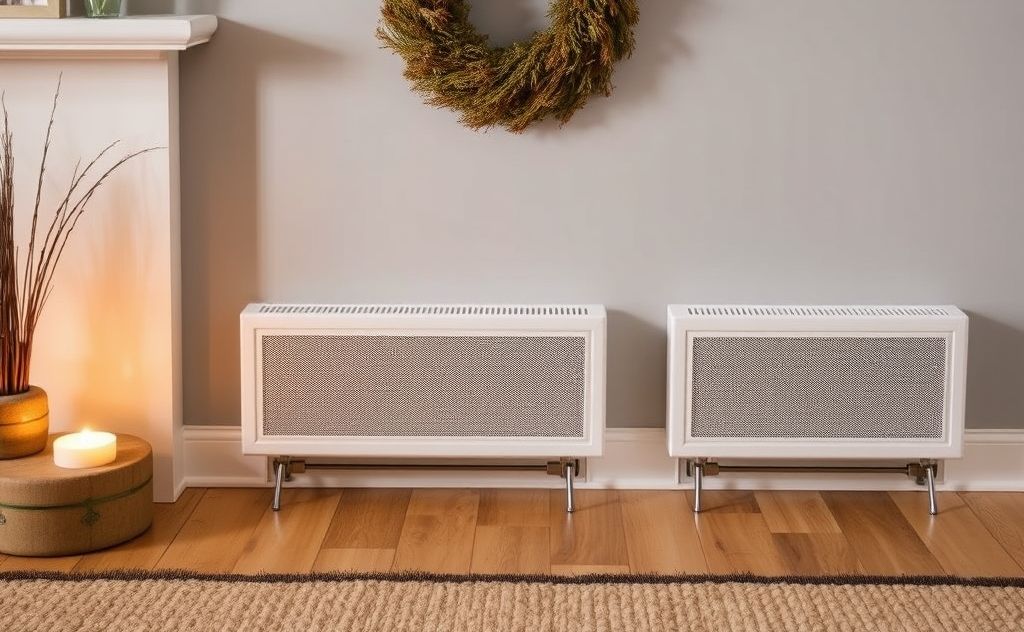
1. Energy Efficiency Through Zone Heating
Baseboard heaters excel at zone heating, allowing precise temperature control in individual rooms. This targeted approach prevents energy waste in unoccupied spaces.
How Zone Heating Saves Money

By heating only occupied rooms, you can reduce overall energy consumption by 20-30% compared to whole-house systems. The best electric baseboard heater smart thermostats enhance this efficiency with programmable schedules.

2. Silent Operation for Peaceful Living
Unlike noisy forced-air systems, baseboard heaters work silently through natural convection. This makes them ideal for bedrooms, nurseries, and home offices.
3. Easy Installation Without Ductwork
Baseboard heaters require no complex duct systems, making them perfect for older homes or room additions. Installation costs are typically 30-50% lower than central heating systems.
Installation Options
- Electric models need only wiring and thermostat connection
- Hydronic systems connect to existing boiler systems
- No structural modifications required
 Winter Heating Bill CutterSee what every heater in your home really costs, heat the rooms you use, and cut the waste in 30 days.Cost-per-hour tables for every heaterThermostat schedule and draft-proofing planRunning-cost and bill calculator (Excel)
4. Long Lifespan With Minimal Maintenance
Quality baseboard heaters last 20+ years with only basic care. Compare this to forced-air systems requiring annual professional maintenance.
| Maintenance Task | Frequency |
|---|---|
| Vacuuming fins | Monthly |
| Thermostat calibration | Annually |
| Element inspection | Every 5 years |
5. Improved Air Quality
Baseboard heaters don’t circulate dust and allergens like forced-air systems. This benefits allergy sufferers and maintains cleaner indoor air.
6. Design Flexibility for Any Space
Modern baseboard heaters come in various sizes and styles. The best materials for modern designed heaters include sleek aluminum and low-profile models that blend with decor.
Space-Saving Advantages
- Install under windows where cold air enters
- Low-profile models take minimal wall space
- No bulky equipment rooms needed
7. Cost-Effective Heating Solution
While operating costs vary by region, baseboard heaters offer significant upfront savings. According to U.S. Department of Energy, they’re among the most affordable systems to install.
Cost Comparison
Average installation costs per square foot:
- Baseboard heaters: $6-$10
- Forced-air systems: $15-$25
- Radiant floor heating: $10-$20
For supplemental heating needs, consider the best indoor propane space heaters as an alternative for occasional use.