




Stepping out of a warm shower into a chilly bathroom is the kind of shock nobody wants. A waterproof bathroom space heater solves that by delivering safe, targeted warmth in wet environments where ordinary heaters risk damage or worse.
Many heaters claim bathroom safety, but only some are truly built for splash zones and humid air. The Lasko model leads for most users with its integrated ALCI safety plug, ETL certification, and straightforward controls. Other models offer extras like digital thermostats and remote operation for varied needs.
Compare Bathroom Space Heaters
| Model | Best for | Heat Output (W) | Safety Features | Size (inches) | Noise Level (dB) | Price |
|---|---|---|---|---|---|---|
| Lasko Ceramic Bathroom Heater | Best Overall | 1,500 W; 2 heat settings | ALCI plug; ETL Listed; automatic overheat protection | About 8 inches tall | — | Check price on Amazon |
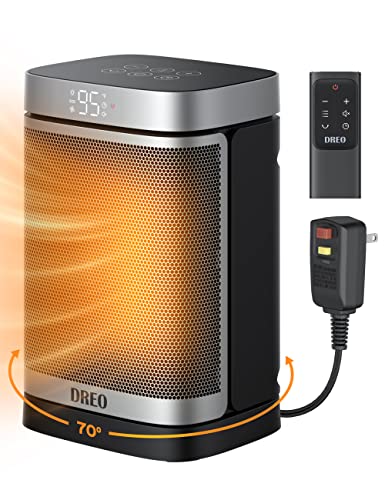
| DREO Bathroom Space Heater | Quiet Bathroom Pick | 900 W, 1,300 W, or 1,500 W | ALCI plug; tip-over protection; overheat protection; 24-hour auto shutoff; V-0 f | 10.3-inch compact design | 36.5 dB | Check price on Amazon |
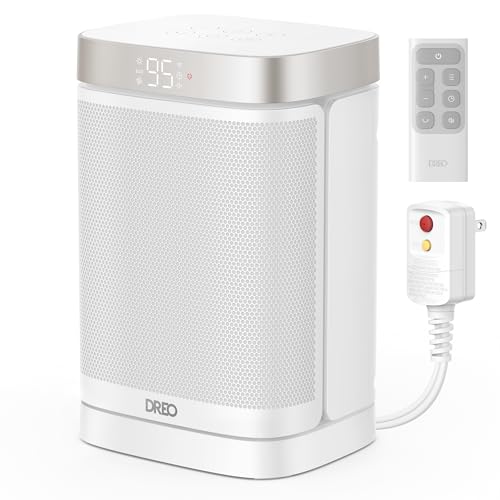
| DREO Bathroom Heater With ECO | Best ECO Controls | 900 W, 1,300 W, or 1,500 W | ALCI plug; tip-over protection; overheat protection; 24-hour auto shutoff; V-0 f | 10.3-inch compact design | 36.5 dB | Check price on Amazon |
| Reaks 1500W Bathroom Heater | Best Timer Option | 900 W or 1,500 W | ALCI plug; ETL certification; overheat protection; automatic tip-over switch | — | — | Check price on Amazon |
| DREO Portable Heater With Remote | Best Temperature Control | 1,500 W | Tilt-detection sensor; overheat protection; V0 flame-retardant materials | — | 34 dB | Check price on Amazon |
Best Waterproof Bathroom Space Heaters Ranked
Lasko Ceramic Bathroom Heater
DREO Bathroom Space Heater
DREO Bathroom Heater With ECO
Reaks 1500W Bathroom Heater
DREO Portable Heater With Remote
Choosing the Best Waterproof Bathroom Space Heater
The best bathroom safe space heater is a listed, bathroom-rated electric model with an ALCI safety plug, overheat protection, tip-over protection, and enough output for a short warm-up—usually about 1,500 W for a small bathroom. A portable heater for bathroom use should plug directly into a wall outlet, never an extension cord or power strip, and sit at least 3 feet from towels, curtains, paper and other combustibles.
An ALCI plug watches for electrical leakage and cuts power quickly if a fault is detected, which matters around sinks, wet floors and damp hands. An ETL listing shows that an independent laboratory evaluated the heater against applicable safety requirements; look for the ETL mark on the heater or packaging rather than treating the word “waterproof” as a safety certification. Keep the heater outside the shower or tub area, and follow the model’s bathroom-placement instructions.
For the best infrared heaters for bathroom use, choose a model specifically approved for that environment instead of assuming every infrared panel or quartz heater is suitable near moisture. Infrared heat warms people and nearby surfaces directly, so it can feel quick when you’re standing in one spot; ceramic fan heaters spread warmth through more of the room. The heating method doesn’t replace an ALCI plug, a recognized listing or the required clearance.
Measure the floor space before buying because a bathroom shelf, vanity and open door can leave surprisingly little room. A compact heater with a stable base is easier to position safely than a tall unit squeezed beside the toilet, and controls should remain reachable without leaning over a wet sink.
Noise matters more in a bathroom than a garage: a loud fan can drown out the timer, exhaust fan or a child’s voice. Look for a published low-noise setting if quiet mornings matter, but don’t trade away airflow, safety controls or the required clearance for a quieter number.
How To Size and Calculate Running Costs for Bathroom Heaters
The best way to heat a bathroom with no heat is usually a 1,500 W portable heater made and listed for bathroom use, run only while the room is occupied and positioned with its required clearance. That output is commonly enough for bathrooms up to about 150 square feet, although insulation, ceiling height, drafts and the starting temperature can change the warm-up time.
A small half-bath or typical full bathroom needs less floor coverage than a large primary bathroom, but a 1,500 W heater gives you the highest practical output from a standard 120 V plug-in circuit. A portable heater suitable for bathroom use must go straight into the wall outlet, with no power strip or extension cord; don’t run several high-wattage heaters from the same circuit.
At an electricity rate of $0.17 per kWh, the one-hour calculation is 1,500 W × 1 hour ÷ 1,000 × $0.17. The cost block calculates that hourly use, and you can scale it to your own schedule by changing the hours and days.
| Heater | Watts | Per hour | Per day (1 h) | Per month (1 days) |
|---|---|---|---|---|
| 1,500 W bathroom heater | 1,500 W | 26¢ | 26¢ | 26¢ |
Energy savings come from timing the heat: run the heater for a short warm-up before use, close the bathroom door, and switch it off when you leave unless the manufacturer specifically allows unattended operation. Running a 1,500 W heater for several hours every day can add up, while brief sessions keep the total manageable. A thermostat or automatic shutoff helps avoid heating an empty bathroom, but it doesn’t remove the need for supervision and safe placement.
Key Safety Certifications and Features for Bathroom Heaters
A portable heater suitable for a bathroom must be specifically listed for that use, have an ALCI safety plug, and include tip-over and overheat protection. A standard indoor space heater beside the sink doesn’t become bathroom-safe because its case looks sturdy.
The ALCI plug watches for electricity leaking where it shouldn’t and cuts power quickly when it detects a fault. That protection matters around wet skin, tile floors, and splashed outlets. Plug the heater directly into the wall, keep it at least 3 feet from water and other combustibles, and never use an extension cord or power strip.
ETL listing is a useful sign that an independent laboratory tested the heater against applicable safety requirements; look for the ETL mark on the heater or its packaging rather than trusting a marketplace description. UL or CSA listing can serve the same purpose. Certification doesn’t cancel the clearance rules or the instructions.
A wall mounted electric heater bathroom installation can work when the unit is listed for bathroom use and mounted exactly as directed, with the required electrical protection and clearance. Fixed wiring or a new circuit belongs to a qualified electrician where local code requires it. A portable model is more flexible, but only if its manual permits bathroom use.
The search for a bathroom safe 1200w radiant heater radiator space heater TRN0812T deserves caution: don’t use the DeLonghi TRN0812T in a bathroom unless its own instructions and listing expressly allow that location. An oil-filled radiator’s sealed oil circuit doesn’t make its plug, controls, or electrical connections waterproof. For a short warm-up, choose a listed bathroom model such as the Lasko Electric Ceramic Space Heater for Bathroom or a DREO model whose manual confirms bathroom use.
Tip-over protection shuts the heater off if it falls, while overheat protection cuts power when internal temperatures rise too far. Test neither feature by deliberately tipping or blocking the heater; keep the air inlet and outlet clear, and replace a unit that trips repeatedly.
Common Reasons Bathroom Heaters Fail and How These Models Prevent It
Bathroom heaters often fail from constant humidity corroding electrical parts, even when no splash ever reaches the case. Steam enters through vents and seams, condenses on cooler contacts, and gradually attacks switches, connectors, circuit boards, and plugs.
A safer design limits that exposure with a sealed ceramic heating element and a flame-retardant housing, while keeping the electrical controls protected behind the enclosure. Those features reduce risk; they don’t permit spraying, dunking, or hanging a heater inside the shower. Use the bathroom-rated Lasko, DREO, or Reaks model only in the locations its instructions allow.
Cheaper models can quit within a year in a steamy bathroom when thin contacts corrode, dust cakes onto damp filters, or repeated heat cycles damage poorly protected controls. A low purchase price can’t repair a corroded plug. Check the listing and manual for the intended environment before bringing any bedroom heater near a tub.
Clean the filter and air openings regularly, with the heater unplugged and fully cool, because dust buildup restricts airflow and makes the overheat protector work harder. Never run a heater with a blocked intake, and don’t wipe moisture into the controls; let the unit dry according to the manual before using it again.
The best infrared heaters for bathroom use are still the ones specifically listed for bathrooms; infrared heating doesn’t make an ordinary patio or bedroom heater safe around moisture. A bathroom-rated infrared unit may warm people and surfaces directly, but it still needs its specified clearance, direct wall outlet, and built-in fault protection. What “Waterproof” Really Means explains why a splash-resistant rating isn’t permission for immersion.
For a permanent option, compare a properly installed bathroom heating system rather than leaving a portable unit in a damp room all winter. Bathroom-safe electric space heaters with splash protection is a useful next stop when you want to compare that protection on specific models.
Features Often Missed in Bathroom Space Heaters
The overlooked bathroom-heater features are the ones that remove clutter and wasted run time, not extra buttons. If you’re heating a bathroom without an electric heater, use the home’s central HVAC system, a properly installed hydronic floor-heating system, or a listed fixed bathroom heater; don’t bring in a propane, kerosene, or outdoor heater. A portable heater for a bathroom should be specifically listed for bathroom use, then placed where its cord and footprint won’t create a trip hazard.
Oscillation and multiple heat modes sound useful, but a small bathroom gives them less work to do. Air only has a short distance to travel, so a fixed stream aimed across the room can warm the space quickly; low and high settings matter less than a reliable thermostat, timer, and safe placement. Oscillation can also sweep warm air toward a shower curtain or a cold exterior wall instead of the person getting dressed.
A remote control can start preheating before you step into the room, provided the heater’s manual permits remote operation and the unit is already positioned safely. Remote access doesn’t cancel the clearance rules or make an unsuitable heater safe to run unattended. A countdown timer is useful for automatic morning warmth after you turn the heater on; a scheduled start is available only on models that specifically list that function.
A compact footprint leaves more room around the sink and doorway, while an approved wall-mount design keeps the heater off the floor and reduces the chance of a foot catching the cord. Mounting hardware and location must follow the heater’s instructions—drilling a shelf into the wall and calling it a mount is how a small convenience becomes a repair.
More Questions, Answered
Are waterproof bathroom heaters safe to use near showers?
What is an ALCI safety plug and why is it important?
Can I use a regular space heater in my bathroom?
How much electricity does a 1500 W bathroom heater use per hour?
What maintenance do waterproof bathroom heaters require?
Is a wall-mounted heater better than a portable one for bathrooms?
How quickly do these heaters warm up a typical bathroom?

I am a mechanical engineer and love doing research on different home and outdoor heating options. When I am not working, I love spending time with my family and friends. I also enjoy blogging about my findings and helping others to find the best heating options for their needs.
Related guides

Lasko Ceramic Space Heater Review: Popular Choice or Just Hype?
What makes this heater a top choice? Get expert insights on choosing the Lasko Ceramic Space Heater for…
Is the Dreo 714 Whole Room Heater Worth It? A Detailed Review
Explore the Dreo 714 heater’s real strengths, limits, energy use, and safety features in this detailed review to…
Portable Ceramic Space Heaters: Fast Warm-Up, Low Risk
What makes a portable ceramic heater safe and efficient? Get the essential buying guide and usage tips you…