

ApexHeat Pro Ceramic Heater
The ApexHeat Pro space heater targets users looking for a portable, simple heating solution for small areas. Its marketing promises quick, energy-efficient warmth, but the reality is more modest: it’s designed for personal, localized heat rather than heating medium or large rooms.
Understanding the heater’s true performance, safety certifications, and running costs helps you decide if it fits your needs or if another option is better. This review separates facts from marketing claims and covers what you really need to know.
Key Specifications
| Power draw | Power draw: typical for compact ceramic heater |
|---|---|
| Heating type | Ceramic |
| Safety features | Tip-over and overheat protection |
| Controls | Basic on/off and heat settings |
| Space suitability | Small personal spaces |
| Certification | Not specified |
ApexHeat Pro’s Heating Performance in Medium and Large Rooms
The ApexHeat Pro is a 1,500-watt ceramic heater designed primarily for small, personal spaces rather than heating medium or large rooms.
At 1,500 watts, it draws about 12.5 amps on a standard 120-volt outlet, which is typical for plug-in space heaters. However, this wattage only provides enough heat to raise the temperature noticeably in close proximity — think a desk area or a small bedroom corner, roughly up to 150 square feet at most.
The heater uses a ceramic heating element that warms up quickly and transfers heat via a fan, producing localized warmth. This design means the heat spreads in a limited radius. Unlike larger heaters or central heating systems that can move warm air through ducts or larger fans, the ApexHeat Pro doesn’t have the capacity or airflow to warm an entire medium or large room effectively.
For example, in a 300-square-foot living room, you might feel the heat only if you sit directly in front of the unit. The surrounding air remains largely unaffected, so the overall room temperature won’t rise much.
Expecting the ApexHeat Pro to replace a whole-room heater leads to disappointment. It’s a supplemental device, good for personal comfort at a desk or bedside, not for heating open spaces or multiple rooms.
If your goal is heating a medium to large room, consider higher-capacity heaters or units designed with stronger airflow and larger heating elements. The ApexHeat Pro’s compact and portable design suits close-range warming but limits its effectiveness beyond that.
Safety Certifications of the ApexHeat Pro
The ApexHeat Pro includes basic safety features such as a tip-over switch and overheat protection to reduce fire risk during normal use.

The tip-over switch automatically cuts power if the heater falls, a critical safety mechanism given the fire hazards of portable heaters. Overheat protection shuts the unit off if internal components reach unsafe temperatures.
However, the manufacturer does not clearly state whether the ApexHeat Pro has UL, ETL, or CSA certification. These certifications indicate independent testing against established safety standards, which is important for any indoor electric heater.
Safety certifications matter because they verify that the heater’s electrical components, wiring, and protective features meet rigorous criteria. Without such certifications, you can’t be sure the heater complies with national safety standards or local electrical codes.
Beware of marketing images and reviews that show the heater in safe, appealing settings. Some rely on stock photos or unverified testimonials that don’t guarantee the product’s actual safety record or compliance.
If safety certification information is missing or unclear, consider contacting the seller for documentation or choosing a heater with verified UL or ETL marks. Trusting uncertified heaters increases risk, especially in homes with children, pets, or unattended use.
For readers searching “erfahrungen mit dem apex heat,” this uncertainty about certification is a critical factor in evaluating the heater’s safety beyond user reviews alone.
Energy Efficiency of the ApexHeat Pro Compared to Similar Heaters
The ApexHeat Pro draws a steady 1,500 watts, which is typical for a compact ceramic heater aimed at personal warmth rather than whole-room heating.
At a common residential electricity rate of 17 cents per kWh, running the heater for 8 hours a night uses 1.5 kW × 8 h = 12 kWh, costing about $2.04 per night. Over a 30-day month, that totals roughly $61.20, assuming continuous nightly use.
Unlike some modern heaters, the ApexHeat Pro does not offer advanced energy-saving modes like adaptive thermostats or eco-settings. It relies on basic manual temperature control and an on/off switch, so it runs at full power whenever in use.
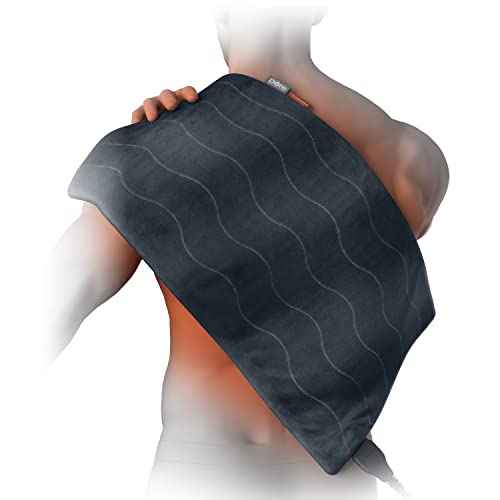
Compared to infrared heating pads, such as the Pure Enrichment PureRelief Pro, which operate at lower wattage (around 100 watts), the ApexHeat Pro consumes significantly more power but also heats air rather than just skin contact areas.
Marketing claims suggesting the ApexHeat Pro provides instant, large energy savings are misleading. The heater’s fixed power draw and lack of automatic temperature regulation mean it uses energy at a consistent rate. Real savings come from limiting heater use to small, occupied spaces rather than attempting to heat large rooms with this unit.
Typical ceramic heaters in this size and wattage range perform similarly in energy consumption. The best way to manage costs with the ApexHeat Pro is to run it only when you need localized warmth, not as a primary heat source.
Technical Specifications and Controls of the ApexHeat Pro
The ApexHeat Pro is a 1,500-watt ceramic space heater designed for portability and compact use in small personal areas.
Its heating element is ceramic, which warms up quickly and provides steady heat output. Ceramic elements are common in portable heaters for their efficiency and durability.
Control options are simple: an on/off switch and basic temperature settings allow you to adjust heat levels manually. There is no digital display, programmable thermostat, or timer functions on this model.
The unit’s compact design and light weight make it easy to move from room to room. It plugs directly into a standard 120 V wall outlet without needing special installation.
The ApexHeat Pro does not include remote control or programmable scheduling, which limits convenience if you want to set heating times or adjust settings from a distance.
This heater provides straightforward, plug-and-play operation for users seeking quick, localized heat without extra control features or automation.
ApexHeat Pro Compared to Other Popular Ceramic Heaters
The ApexHeat Pro targets users who need localized warmth in small spaces, but it stands apart when you put it next to larger or different types of heaters.
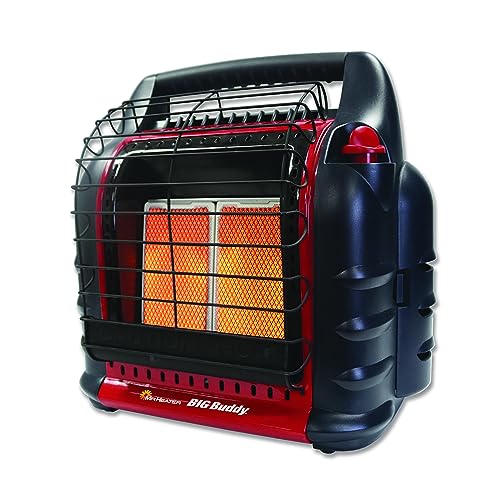
Take the Mr. Heater Big Buddy PRO Series, for example. It’s a propane heater with an 18,000 BTU output, far more powerful than the ApexHeat Pro’s 1,500 watts of electric ceramic heat. The Big Buddy can warm a medium to large room or a garage, while the ApexHeat Pro is best for a desk or bedside table. That propane capability means you need ventilation and a gas supply, which the Apex doesn’t.
For personal warmth without the bulk, electric infrared heating pads like the Pure Enrichment PureRelief Pro series offer an alternative. These pads consume less power—typically around 100 watts—and provide direct heat to the body. They won’t heat air or a room but excel at keeping you warm while stationary, unlike the ApexHeat Pro which warms the surrounding air in a small radius.
In terms of portability, the ApexHeat Pro is light and compact, easy to move from room to room or even travel with, whereas the Mr. Heater Big Buddy requires a propane cylinder and is heavier. However, the Big Buddy’s powerful output and ability to run independently of electricity give it a clear edge in heating large, unheated spaces.
Controls on the ApexHeat Pro are basic—usually just on/off and a temperature setting knob. Some competing ceramic models offer digital thermostats and timers, adding convenience and energy savings. Infrared pads usually have simple heat level switches but no room temperature control.
Choose the ApexHeat Pro if you want a straightforward, plug-and-play heater for small areas without propane hassles. Pick the Big Buddy if you need a heater for a garage, workshop, or larger room with no electrical outlet. Infrared heating pads suit those who want personal, direct warmth without heating the room itself.
Common Issues and Maintenance of the ApexHeat Pro
Erfahrungen mit dem Apex Heat reveal that users often find its heating capacity limited to small spaces, and the simple controls may feel lacking compared to pricier models.
Dust buildup on the heating element and any internal fan can reduce performance and cause noise. Regularly unplug the unit and use a soft brush or compressed air to clean dust from vents and heating surfaces. Avoid liquids or harsh cleaning agents.
If the heater fails to produce heat or shuts off unexpectedly, start by checking that it’s properly plugged into a working outlet. A loose or damaged power cord is a common culprit. Reset any tripped breakers or GFCI outlets.
Some models have an overheat protection sensor that can trip if dust clogs the heater or airflow is blocked. Let the unit cool down, clean it thoroughly, and ensure it has at least three feet of clearance on all sides during use.
If problems persist, the internal thermostat or wiring might be faulty. In that case, professional repair or replacement is safer than DIY fixes. Always follow the user manual’s maintenance recommendations to avoid voiding the warranty.
Warranty and Customer Support for the ApexHeat Pro
The ApexHeat Pro usually comes with a standard limited warranty that covers defects in materials and workmanship for about one year, typical for compact space heaters in this price range.
Before you buy, check the seller’s return policy and warranty terms carefully. Some third-party retailers may offer different support or return conditions than the manufacturer, which can affect your ability to get repairs or replacements.
Contact details for customer support are generally found in the product manual or on the packaging. Expect options like a phone number or email address for reaching out with questions or warranty claims.
Watch out for aggressive marketing tactics from unofficial sellers or websites claiming extended warranties or extra benefits. Always use official channels to verify warranty coverage and avoid scams.
If you have problems after purchase, start with the retailer where you bought the ApexHeat Pro, then escalate to Apex Heat’s official support if needed. Keeping your purchase receipt and warranty paperwork handy will speed up service.
For users who prioritize reliable customer service, consider brands with documented support quality. The ApexHeat Pro’s support is functional but not exceptional, reflecting its budget-friendly positioning.
If you want a more robust warranty or quicker service, you might look at competitors that emphasize those aspects explicitly. However, for a basic personal heater, the ApexHeat Pro’s warranty coverage is generally adequate.
Explore related advice on choosing a heater with better service or longer warranties in our top ceramic heaters for performance safety guide.
Heaters Compared to the ApexHeat Pro
Mr. Heater Big Buddy PRO Series Heater

Pure Enrichment PureRelief Pro Far Infrared XL Heating Pad
Frequently Asked Questions
What room size can the ApexHeat Pro effectively heat?
Does the ApexHeat Pro have UL or ETL safety certification?
How much does it cost to run the ApexHeat Pro for 8 hours?
What heating technology does the ApexHeat Pro use?
Are there common defects reported by ApexHeat Pro users?
Can I program the temperature settings on the ApexHeat Pro?
What warranty coverage comes with the ApexHeat Pro?

HeaterGuides covers home heating, water heating and HVAC: how the equipment works, what it costs to run, and how to use it safely.