Top 10 Aesthetic Features That Make Vintage Heaters Irresistible
On this page 10 sections
Vintage heaters often feature ornate designs, warm color palettes, intricate detailing, and a nostalgic charm that enhances home decor aesthetics.
Vintage heaters offer more than just warmth – they bring character, nostalgia, and timeless design to any space. Collectors and interior designers alike seek these functional art pieces for their unique aesthetic qualities that modern heaters simply can’t replicate.

1. Ornate Cast Iron Construction

The most prized vintage heaters feature intricate cast iron designs with floral patterns, geometric shapes, and elaborate scrollwork. These were often modeled after Victorian-era radiator covers and fireplace surrounds.
Examples of Notable Designs:
- Art Nouveau floral motifs
- Greek key patterns
- Gothic revival arches
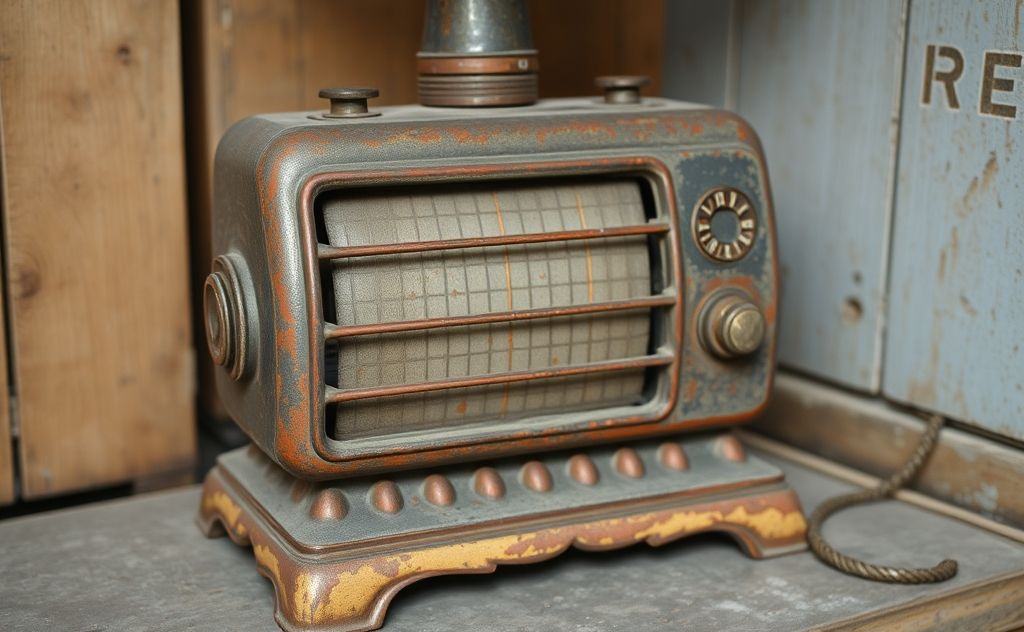
2. Rich Patina and Aging
The natural oxidation process creates beautiful variations in color and texture that can’t be artificially replicated. Collectors look for:
| Patina Type | Description |
|---|---|
| Iron Oxide | Rusty red-brown tones |
| Copper Verdigris | Turquoise-green oxidation |
| Brass Tarnish | Warm golden-brown hues |
3. Retro Color Palettes
Original enamel finishes in period-appropriate colors are highly desirable. Popular vintage heater colors include:
- Mint green
- Buttercream yellow
- Dusty rose
- Robin’s egg blue
For those restoring vintage heaters, proper maintenance of heating elements is crucial while preserving the original aesthetic.
4. Chrome and Nickel Accents
Shiny metal trim was a hallmark of mid-century modern designs. Well-preserved chrome knobs, handles, and vents add striking contrast to painted surfaces.
Preservation Tips:
- Use gentle metal polish
- Avoid abrasive cleaners
- Apply protective wax coating
5. Unique Control Mechanisms
Vintage heaters often feature charming manual controls that have become design focal points:
- Porcelain knobs with painted markings
- Brass lever switches
- Rotary dial thermostats
For replacement parts, consider authentic vintage-style knobs to maintain the original look.
6. Art Deco Influences
1920s-1940s heaters often showcase the sleek lines, sunburst patterns, and stepped designs characteristic of the Art Deco movement.
7. Industrial Revolution Aesthetics
Early 20th century models reflect their factory origins with exposed pipes, riveted joints, and utilitarian designs that have gained appreciation as industrial chic.
8. Hand-Painted Details
Many European models feature delicate hand-painted floral motifs or scenic landscapes, especially on ceramic heater covers.
9. Mid-Century Modern Simplicity
1950s-1960s designs embraced clean lines, organic shapes, and space-age influences that remain stylish today.
10. Unique Form Factors
From column radiators to pyramid-shaped space heaters, vintage designs broke from conventional rectangular boxes.
For those interested in modern heaters with vintage appeal, Architectural Digest offers great inspiration. Additionally, This Old House provides excellent guidance on incorporating vintage heating elements into contemporary homes.
Related pick: Check price on Amazon