

Adapting to daily temperature changes in different climates involves layering clothing, staying hydrated, and adjusting daily activities to maintain comfort and health.
Daily temperature fluctuations challenge comfort and health across different climates. From California’s heatwaves to Europe’s unpredictable weather, adapting requires smart strategies. This guide offers practical solutions for homes, workplaces, and outdoor activities.

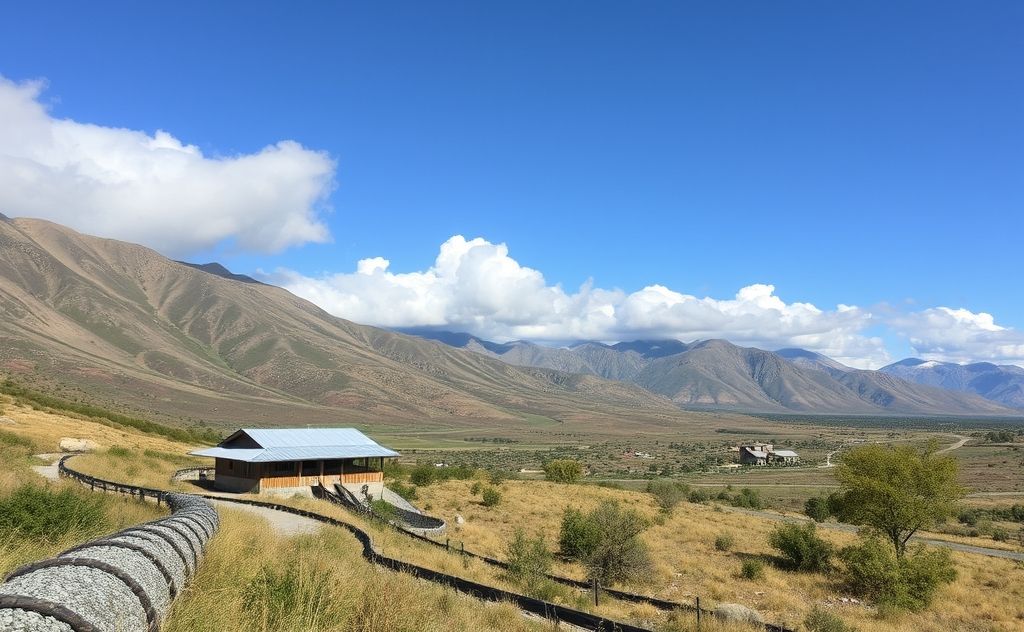
Understanding Temperature Variations
Climate change amplifies daily temperature swings. California sees 4-9°F increases by 2100 while Europe faces more extreme heatwaves and storms. These changes demand flexible adaptation approaches.
Regional Climate Patterns
- Mediterranean climates: Hot days, cool nights (20°F+ swings)
- Continental zones: Rapid morning-evening transitions
- Coastal areas: Ocean-moderated but increasing variability
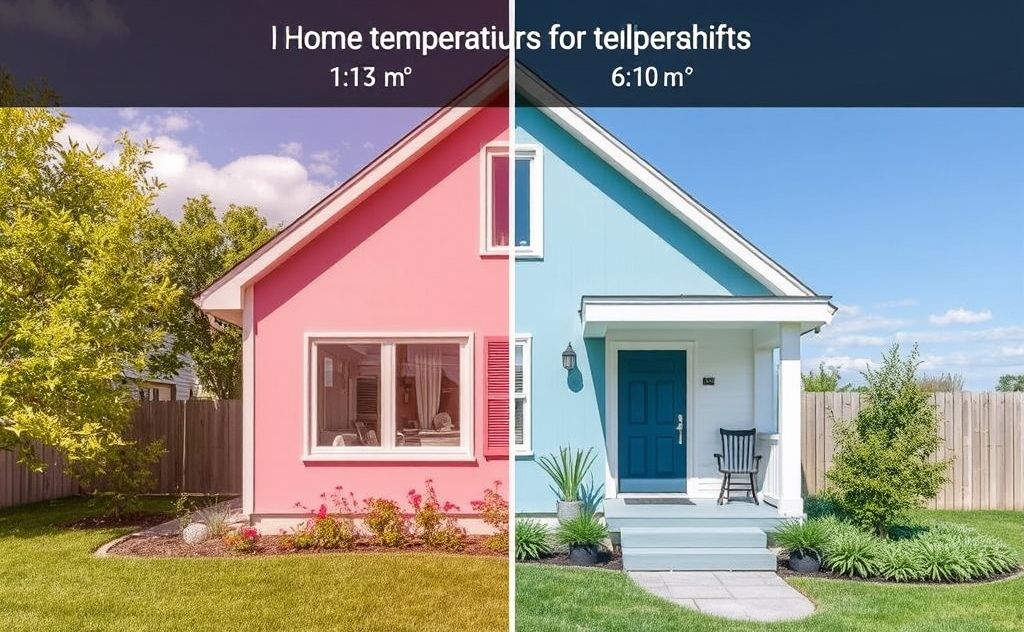
Home Adaptation Techniques
Your living space serves as the first defense against temperature extremes. Smart modifications maintain comfort while reducing energy costs.
Heating Solutions
Consider electric heaters with wood stove aesthetics for efficient zone heating. These provide quick warmth during cold mornings while blending with decor.
Cooling Strategies
| Method | Effectiveness | Cost |
|---|---|---|
| Thermal curtains | Blocks 60% heat gain | $$ |
| Ceiling fans | Feels 4°F cooler | $ |
| Reflective roofing | Reduces attic temp by 20°F | $$$ |
Personal Comfort Systems
Individualized temperature control outperforms whole-space conditioning. The EPA recommends layered approaches for maximum efficiency.
Clothing Strategies
- Start with moisture-wicking base layers
- Add insulating mid-layers (wool, fleece)
- Finish with wind/water-resistant outer shell
Workplace Adaptations
Office environments often struggle with temperature conflicts. These solutions improve comfort without HVAC overuse.
Desk Modifications
- USB-powered heated mouse pads (winter)
- Personal desk fans (summer)
- Thermal seat cushions (year-round)
Outdoor Activity Planning
The CDC advises scheduling strenuous activities during cooler morning/evening hours in summer. Winter activities benefit from midday sun exposure.
Event Preparation
For outdoor gatherings, consider patio heaters with wind resistance that maintain comfort zones despite temperature drops after sunset.
Health Protection Measures
Vulnerable populations require special considerations during temperature extremes.
Heat Safety
- Hydrate before feeling thirsty
- Use cooling towels around neck
- Identify cool public spaces
Cold Protection
- Layer gloves (inner liner + outer shell)
- Protect extremities (ears, nose, fingers)
- Watch for hypothermia signs
Technology Aids
Smart devices provide real-time adaptation support:
- Wearable temperature sensors
- Home automation systems
- Hyperlocal weather apps
Related pick: Check today's price on Amazon

I am a mechanical engineer and love doing research on different home and outdoor heating options. When I am not working, I love spending time with my family and friends. I also enjoy blogging about my findings and helping others to find the best heating options for their needs.
Related guides

How Cities Change Daily Temperature Cycles
Daily temperature cycles in urban areas are influenced by factors like heat absorption by buildings, traffic, and reduced…
Rural vs Urban Temperature Fluctuations Explained
Step outside on a clear summer night. The air feels thick, still holding the day's warmth. Now imagine…
Why Daily Temperature Fluctuations Happen
Daily temperature fluctuations occur due to the Earth's rotation, solar radiation changes, and atmospheric conditions influencing heat absorption…
