
Real-time temperature monitoring is crucial for ensuring safety, quality control, and compliance in industries like food, pharmaceuticals, and healthcare.
Real-time temperature monitoring has become essential across industries – from food safety to medical research. Instant alerts about temperature fluctuations prevent catastrophic losses while maintaining compliance with strict regulations. This technology protects both products and people.
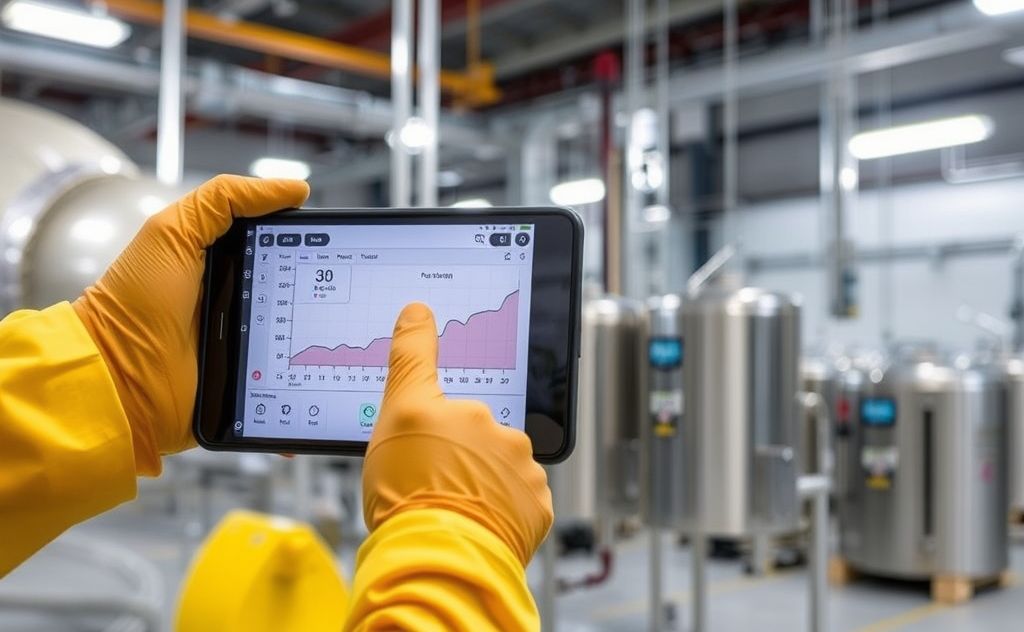
Critical Applications of Temperature Monitoring
Food Safety and Cold Chain Management
The food industry loses billions annually to spoilage. Temperature control is crucial from farm to table:
- Prevents bacterial growth in perishable goods
- Maintains nutritional quality of fresh produce
- Ensures compliance with FDA Food Safety Modernization Act
A precise thermostat control system can mean the difference between safe food and a costly recall. The 2021 Tyson Foods chicken recall showed how temperature failures can impact public health and brand reputation.
Pharmaceutical and Medical Storage
Vaccines, blood products, and medications often require strict temperature ranges:
| Product | Storage Range | Consequence of Failure |
|---|---|---|
| mRNA Vaccines | -80°C to -60°C | Complete loss of potency |
| Insulin | 2°C to 8°C | Reduced effectiveness |
The FDA reports that improper storage accounts for 20% of vaccine wastage annually.
Laboratory Research Protection
A 2022 incident at Rensselaer Polytechnic Institute demonstrated the risks when a freezer failure destroyed 25 years of photosynthesis research. Real-time monitoring with automated alerts could have prevented this $1.2 million loss.
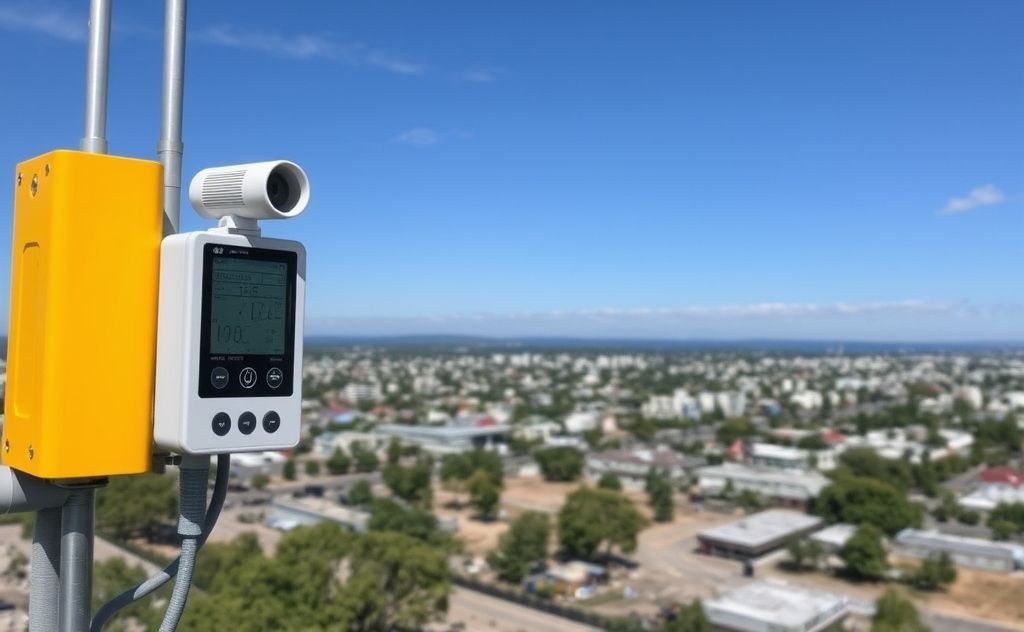
How Modern Monitoring Systems Work
Sensor Technology
Today’s systems use:
- Wireless IoT sensors with 5-year batteries
- Cloud-based data logging
- Machine learning to predict failures
Alert Protocols
Multi-level notifications ensure rapid response:
- Text message to responsible staff
- Email to management
- Automated phone call if no response
For facilities needing robust solutions, built-in heating systems with monitoring capabilities provide reliable temperature regulation.
Financial Impact and ROI
Cost of Failure
A single temperature excursion can cause:
- $250,000 in spoiled pharmaceuticals
- $500,000 FDA fine for violations
- Millions in lawsuit settlements
Savings from Prevention
Monitoring systems typically pay for themselves in 6-18 months by:
- Reducing product loss by 90%
- Cutting energy costs through optimized cooling
- Eliminating manual record-keeping labor
The Journal of Clinical Microbiology found labs using automated monitoring reduced sample losses by 97% compared to manual checks.
Implementation Best Practices
Strategic Sensor Placement
Key locations include:
- Doorways (highest temperature fluctuation)
- Top and bottom of storage units
- Near cooling vents
Staff Training
Effective programs cover:
- Alarm response protocols
- Backup power procedures
- Emergency contact chains
For facilities needing temperature-controlled environments, indoor propane heaters with monitoring capabilities offer reliable solutions during power outages.
