

The most common mistake is treating geothermal as one product instead of six different loop configurations. That mistake can push you into the wrong drilling or trenching plan, and the bill can jump by thousands before the first degree of heat reaches the register.
The other trap is assuming the lowest equipment quote is the lowest installed cost. A cheap heat pump on a bad site can need more boreholes, more trenching, or a longer loop field, and that is where the money goes.
6 Types Of Geothermal Heating Systems Explained
There are six main types of geothermal heating systems defined by ENERGY STAR, each using buried or submerged loops of pipe or refrigerant to transfer heat between your home and the earth or groundwater. These include horizontal straight, horizontal slinky, vertical, pond/lake, open-loop, and direct exchange (DX) systems, all moving heat with electricity through a refrigeration cycle rather than burning fuel.
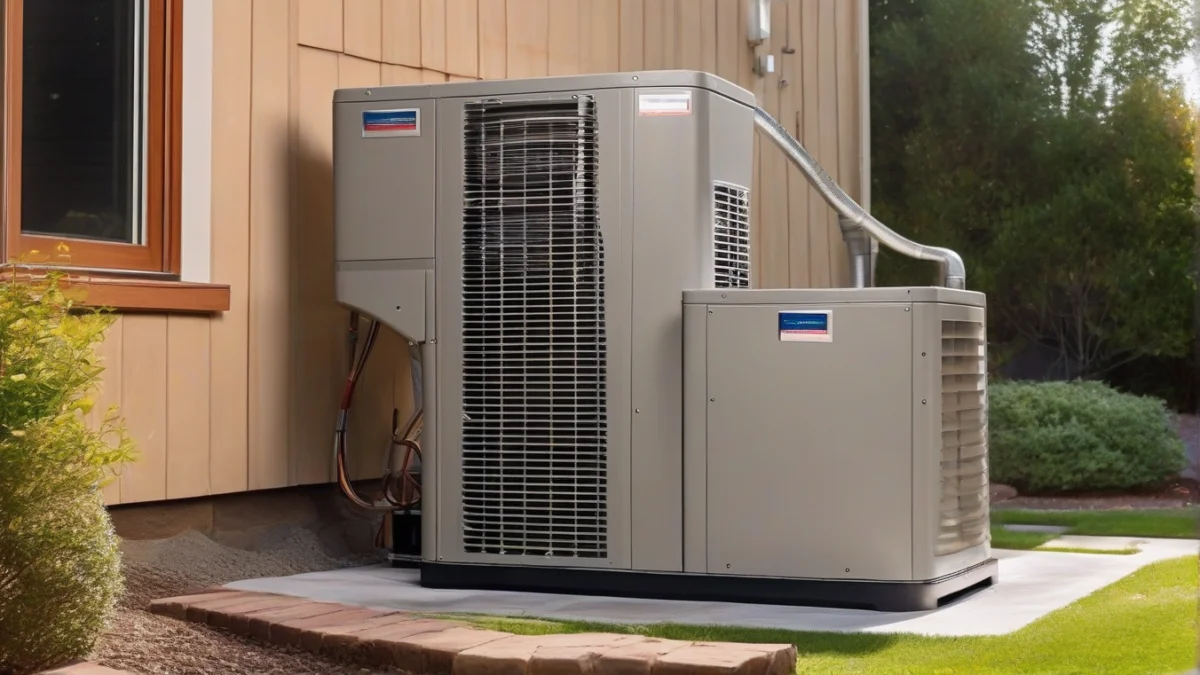
Horizontal straight loops run antifreeze fluid through pipes buried 4 to 6 feet deep over a wide area, making them suitable for large yards but requiring significant land. Horizontal slinky loops use coiled piping in trenches to reduce space needs, balancing installation complexity and land use. Vertical loops go down 100 to 400 feet in drilled boreholes, fitting tight urban lots but costing more to install.
Pond or lake loops submerge coils in a nearby water body, leveraging stable temperatures but needing suitable water depth and quality. Open-loop systems pump groundwater from wells, exchange heat, then discharge it back, offering high efficiency but demanding good water availability and quality. Direct exchange (DX) systems circulate refrigerant directly in copper tubing underground, eliminating antifreeze and improving thermal transfer but requiring corrosion-resistant installation and careful maintenance.
Each system impacts comfort and efficiency differently: vertical and DX loops provide consistent temperatures year-round with smaller footprints and higher initial costs, while horizontal loops spread over more land and usually cost less upfront. Pond/lake and open-loop systems depend on natural water resources, which limits their application but can boost efficiency where conditions are right. Maintenance varies too, with open-loop and DX systems needing more frequent checks.
| System Type | Installation Depth/Space | Best Site Fit | Maintenance Burden | Key Drawback |
|---|---|---|---|---|
| Horizontal Straight | 4-6 ft depth, large horizontal area | Large yards with ample land | Low | Requires significant land area |
| Horizontal Slinky | 4-6 ft depth, less horizontal area than straight | Moderate land with limited space | Moderate | More complex trenching and coil placement |
| Vertical | 100-400 ft deep boreholes, small surface footprint | Small or urban lots | Low to moderate | Higher drilling cost |
| Pond/Lake | Submerged coils in water body | Nearby deep, clean water bodies | Moderate | Requires suitable water quality and depth |
| Open-Loop | Groundwater wells for source and discharge | Sites with abundant clean groundwater | Higher | Water availability and quality critical |
| Direct Exchange (DX) | Copper tubing in boreholes, small footprint | Various, especially where antifreeze is a concern | Moderate to high | Requires corrosion-resistant installation |
How Each Loop Type Is Installed
Geothermal heating system installation depends on the loop type, drilling depth, and site conditions, with each requiring specific equipment and methods.
Horizontal closed-loop systems bury pipes 4 to 6 feet deep, spreading out across a larger area. They need enough yard space for trenches dug by backhoes or plows. Vertical loops drill boreholes between 100 and 400 feet deep, ideal for smaller lots but requiring heavy drilling equipment and grout to seal the boreholes and protect groundwater.
Pond or lake loops place coils submerged in a nearby water body at depths that avoid freezing or sediment disturbance—generally below 8 feet. Water quality matters because high sediment or mineral content can clog or corrode the pipes. Permits may be required to install loops in public or protected waters.
Open-loop systems draw groundwater directly from wells. They need sufficient flow rates, usually several gallons per minute, and water quality must be good since minerals or organic matter can foul heat exchangers and pumps. The well system also requires a discharge plan that meets local regulations.
Direct exchange (DX) systems circulate refrigerant directly through copper pipes buried underground. Installation requires certified handling of refrigerants, increasing the scope of work and requiring specialized technicians. The pipes must be carefully joined and pressure-tested to avoid leaks.
| Loop Type | Installation Method | Depth or Length | Site Requirements | Common Pitfalls |
|---|---|---|---|---|
| Horizontal Closed-Loop | Trenched or plowed trenches | 4 to 6 feet deep | Large yard space, minimal drilling | Requires enough land; soil compaction issues |
| Vertical Closed-Loop | Drilled boreholes | 100 to 400 feet deep | Drilling rig access; grout sealing | High drilling cost; grout quality critical |
| Pond/Lake Closed-Loop | Submerged coils | 8+ feet water depth | Nearby suitable water body; permits | Water quality affects pipe life; permits |
| Open-Loop | Well water pumping | Depends on well depth | Well with sufficient flow; discharge plan | Water quality fouling; permits |
| Direct Exchange (DX) | Copper pipes buried underground | Similar to horizontal or vertical | Certified refrigerant handling; leak prevention | Specialist installation; refrigerant leaks |
Which Type Fits Your Lot And Soil
Choosing the right geothermal heating system starts with an honest look at your property and soil. These systems pull stable heat from the earth or groundwater using electricity, not combustion, to warm your home efficiently throughout the year. They offer benefits like steady heating, lower energy bills, and no on-site fuel storage, yet they require upfront investment and depend heavily on site conditions.
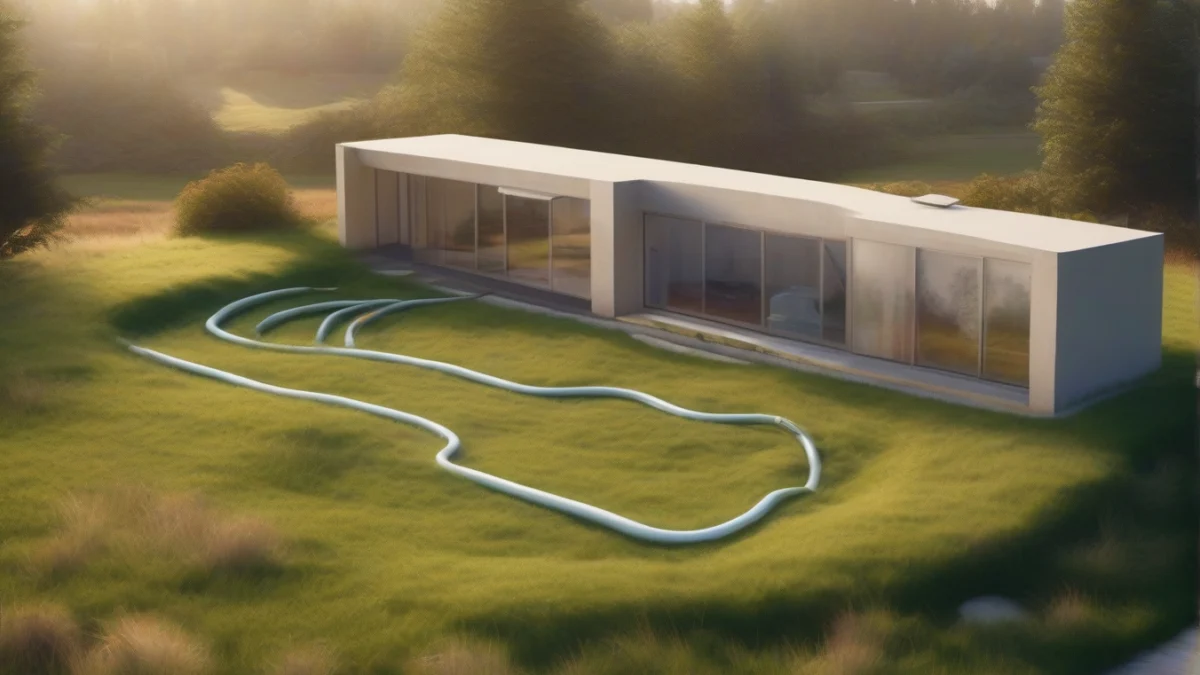
Soil thermal conductivity directly affects how much piping you need and, by extension, the project’s cost. Denser, moist soils like clay conduct heat well, allowing shorter loops. Dry or sandy soils insulate heat poorly, so you must install longer piping to compensate. Rocky ground complicates drilling for vertical loops, pushing installation costs higher.
Space plays a big role in the loop configuration you can choose. Large, open lots favor horizontal loops, where trenches 4 to 6 feet deep spread out coils over a wide area. Small urban lots with limited surface area usually require vertical loops drilled 100 to 400 feet deep to access stable ground temperatures without using much space. If you have clean, abundant groundwater, an open-loop system that pumps water for heat exchange can be efficient but needs a reliable source and discharge options. A nearby pond or lake allows a pond/lake loop, which submerges coils in water but requires water quality checks and permits.
Local code and permitting can restrict open-loop wells, groundwater discharge, and pond loops. You’ll need to contact your municipality or state environmental agency to understand restrictions and secure permits before installation. Unpermitted wells or water discharges can lead to fines or system shutdown.
| Loop Type | Ideal Lot Size | Soil/Water Conditions | Installation Cost Factor | Permitting Requirements |
|---|---|---|---|---|
| Horizontal | Large, diggable lots | Good soil thermal conductivity, non-rocky | Lower than vertical, more pipe length | Minimal, usually trenching permits |
| Vertical | Small or urban lots | Any soil; rocky soil increases drilling cost | Higher due to drilling depth | Well permits and drilling regs |
| Open-Loop | Any with clean groundwater | Requires reliable water supply and disposal | Moderate; well drilling and pumps | Strict well and discharge permits |
| Pond/Lake | Near suitable water body | Requires adequate depth and water quality | Moderate; less drilling, more prep | Water body use permits, environmental review |
Sandy or dry soil means longer loops. For example, a horizontal system in clay soil might need 400 feet of pipe, but sandy soil could require 600 feet to transfer the same heat. Rocky soil increases drilling time and expense for vertical loops, sometimes doubling the cost per borehole. These site factors can swing your budget by thousands.
Each loop type has trade-offs. Horizontal loops spread cost and complexity across trenching but need space. Vertical loops save surface area at higher drilling cost. Open-loop systems often offer excellent efficiency but depend on water availability and regulatory approval. Pond loops reduce digging but impose ecological and permitting challenges.
Knowing your soil type, lot size, and water access narrows your choices. Start with a soil thermal conductivity test and a local permit check. Then match your lot’s constraints to the loop configuration that fits best. That upfront effort prevents costly surprises and ensures your geothermal system performs efficiently for decades.
Costs, Payback And Incentives In 2026
Geothermal heating systems have upfront costs driven by site complexity, but they offer lower operating expenses than conventional heating. Government grants for geothermal in 2026 are scarce, as the federal 30% tax credit has expired, pushing incentives mostly to state, local, or utility programs.
Installation costs depend heavily on drilling depth, borehole count, soil type, and property access. Vertical loops mean deep boreholes, often 100 to 400 feet, which are costly due to drilling rig time. Horizontal loops need more land area but shallower trenches. Water-source systems require wells or pond access plus water quality assessments. Manifolds, pumps, and controls add complexity and labor.
Operating costs reflect the heat pump’s efficiency and the stable ground temperature year-round. Geothermal heat pumps typically have a seasonal coefficient of performance (SCOP) around 3 to 5, meaning for every kWh of electricity used, they move three to five kWh of heat. This efficiency cuts energy bills compared to electric resistance heaters or fossil fuel boilers, which burn fuel or electricity directly to make heat.
Maintenance involves annual checks of circulating pumps, antifreeze loop fluid levels and condition, well pumps for open-loop systems, and filters. Desuperheater components, which recover waste heat for domestic water, require occasional servicing. While not frequent, maintenance costs over a 25-year lifespan add up and should be included in lifecycle calculations.
Payback periods vary widely, depending on installation cost, energy prices, and available local incentives. A geothermal system on a large lot with easy drilling access may pay back in under 10 years, while a complex urban installation might take longer or not recoup the investment. Incentives now depend on your state or utility’s programs, so check what grants or rebates are offered near you.
The main benefits of geothermal heating are highly efficient, stable output and reduced fuel use, making it environmentally favorable and cost-effective over time. The main disadvantages include high upfront costs and installation complexity, which can deter some homeowners.
Geothermal heating systems can suit homes with adequate land or water access and stable soil conditions. For smaller lots or tighter budgets, a simpler air-source heat pump may be the better buy since it avoids drilling or trenching costs but at the expense of some efficiency and stable output.
| Cost Factor | Impact |
|---|---|
| Drilling depth and borehole count | Largest driver of installation cost |
| Soil type and thermal conductivity | Affects loop length and efficiency |
| Property access and layout | Influences labor and machinery needed |
| Water source quality and availability | Critical for open-loop or pond systems |
| Manifolds and controls complexity | Adds to equipment and installation time |
Say your installation requires vertical loops drilled to 200 feet, with 4 boreholes, plus a manifold and new circulating pumps. The drilling alone may account for 50% or more of total cost. After installation, the system might use 1 kWh of electricity to provide 4 kWh of heat (COP of 4). Compared to a 100% electric resistance heater drawing 4 kWh for the same heat, your energy cost is about one quarter, assuming electricity at 15 cents per kWh.
Maintenance for a closed-loop pump and antifreeze system is modest, but open-loop systems require well pump upkeep and water quality monitoring. Filters and desuperheater parts wear out slowly but need replacement around 10 to 20 years. Budgeting a few hundred dollars a year for maintenance is wise.
In short, geothermal systems combine high upfront investment with low operating costs and long life. Your payback depends on how much you spend to install, your local energy rates, and incentives. Those with suitable land and water access who plan to stay put will see the most value. Others may prefer air-source or hybrid systems that cost less initially.
For more on geothermal system benefits and efficiency, see geothermal system efficiency and for choosing the right system, geothermal heating systems availability key benefits.
Maintenance, Lifespan And Failure Points
A geothermal heating system mainly moves heat between your home and the ground or groundwater, using a heat pump indoors and a loop buried outside. The underground loop is usually the longest-lasting component, often designed to last 25 to 50 years, because it has no moving parts and is protected from weather and physical damage.
The indoor heat pump contains mechanical parts that wear out or need service over time. Key parts include the compressor, circulating pumps, valves, and controls. These parts typically require inspection or replacement every 10 to 20 years depending on use and maintenance.
You should schedule annual checks on loop pressure and pump operation, especially for closed-loop systems where antifreeze concentration also needs testing. Open-loop systems demand more attention to water quality to prevent fouling and corrosion in the heat exchanger, and regular filter replacements.
Leaks can occur from poor installation or ground shifts, causing pressure drops or antifreeze loss. Circulating pumps and valves may fail or wear out, causing reduced flow and efficiency. Compressor problems are less frequent but more costly, often related to electrical issues or refrigerant leaks.
Homeowners can monitor system noise, changes in heating performance, water leaks around equipment, and check basic filter conditions. More complex diagnostics, antifreeze testing, refrigerant handling, and pump servicing require a qualified technician.
Geothermal Heating With Domestic Hot Water
Geothermal systems can assist with domestic hot water heating through a component called a desuperheater, which captures excess heat from the heat pump’s refrigerant to preheat water. This feature reduces energy use but rarely replaces a dedicated water heater entirely.
The amount of hot water generated depends on how often and how hard the heat pump runs. During winter heating, the desuperheater is most effective; in summer, it produces less heat as the system cools your home instead.
In some homes, geothermal water heating significantly cuts water heating costs by reducing the load on traditional heaters. In others, especially where water demand is high or the system runs less, it acts as a useful but partial supplement.
Questions People Ask
What are the exact six types of geothermal heating systems defined by ENERGY STAR?
How does a direct exchange geothermal system differ from a closed-loop system?
Which geothermal system works best on a small urban lot?
How deep do you have to drill for a geothermal heating system?
How does soil type affect geothermal system performance?
Can geothermal heating systems also handle domestic hot water?
Are there federal grants or tax credits for geothermal heating in 2026?

I am a mechanical engineer and love doing research on different home and outdoor heating options. When I am not working, I love spending time with my family and friends. I also enjoy blogging about my findings and helping others to find the best heating options for their needs.
Related guides

How to Retrofit Geothermal Systems Into Existing Buildings
Your old furnace is costing you more every winter. The AC unit struggles on 90-degree days. You've heard…

Government Incentives For Geothermal Systems In 2026
You've received the quote for a ground-source heat pump. The number sits somewhere between $30,000 and $50,000, and…
How To Choose The Right Depth For Geothermal Drilling
There is no single correct geothermal drilling depth, but most residential vertical boreholes fall roughly 150 to 400…
