
When buying a new HVAC system, consider efficiency ratings, size for your space, installation costs, maintenance requirements, and warranty options.
Choosing a new HVAC system is one of the most important decisions for your home comfort and energy bills. With so many options available, it’s crucial to understand what really matters when making this investment.
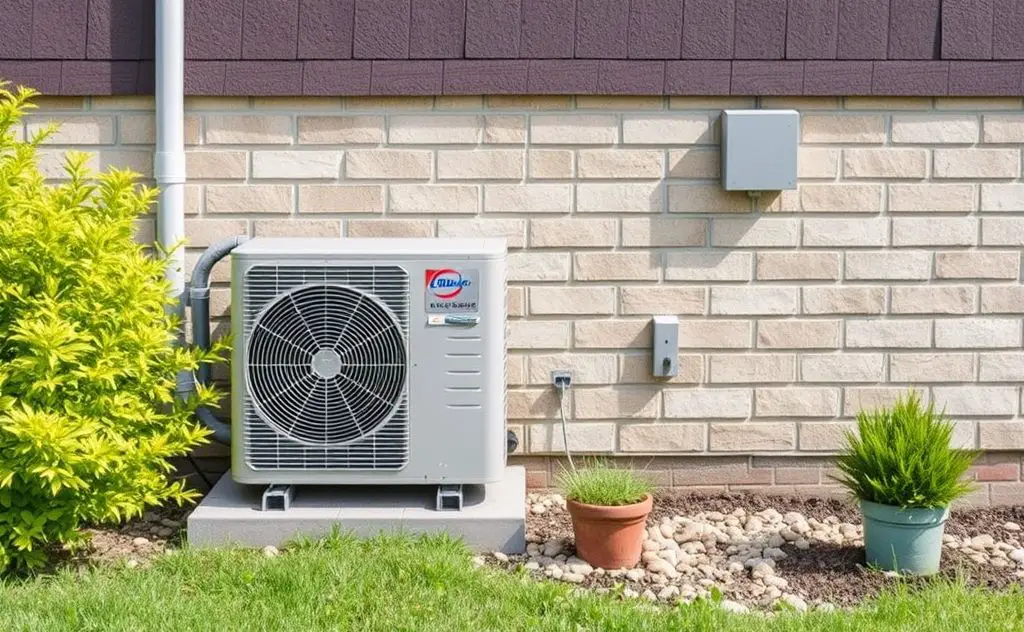
1. System Type and Efficiency Ratings
Modern HVAC systems come with various efficiency ratings that directly impact your energy costs:
- SEER (Seasonal Energy Efficiency Ratio) for air conditioners – minimum 14 in most regions
- AFUE (Annual Fuel Utilization Efficiency) for furnaces – look for 90%+
- HSPF (Heating Seasonal Performance Factor) for heat pumps – 8+ is excellent
For example, upgrading from a 10 SEER to 16 SEER unit can save 30-50% on cooling costs. Consider alternative heating solutions if you want supplemental options.
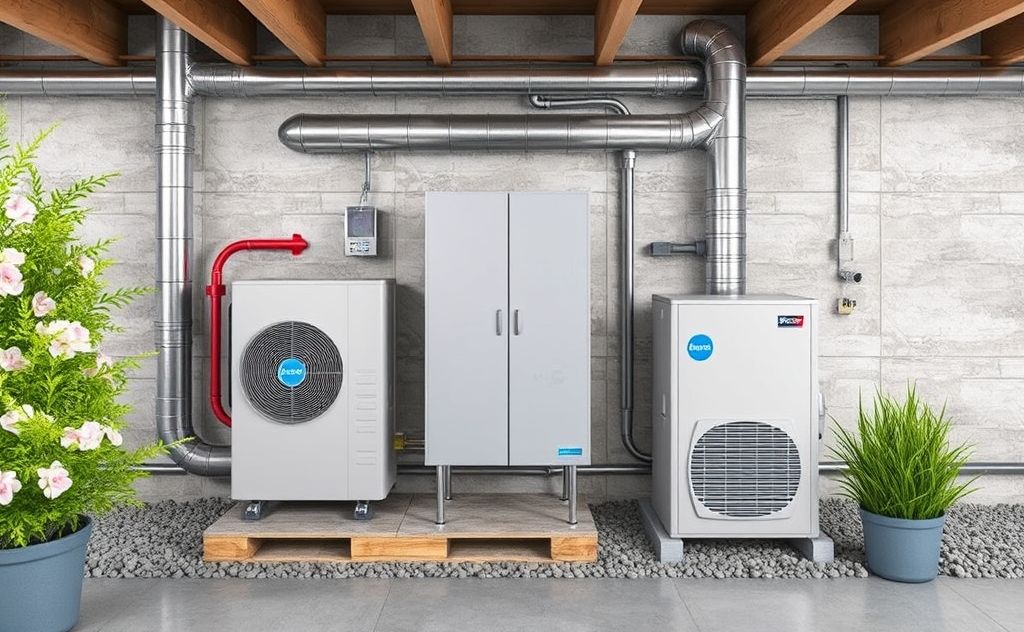
2. Proper Sizing Matters
Why Size is Critical
An oversized system will:
- Short cycle (turn on/off frequently)
- Fail to properly dehumidify
- Wear out faster
An undersized system will:
- Run constantly
- Struggle to maintain temperature
- Increase energy bills
According to Energy.gov, proper sizing requires a Manual J calculation that considers:
| Factor | Impact |
|---|---|
| Square footage | Basic capacity needs |
| Insulation levels | Heat gain/loss rates |
| Window types | Solar heat gain |
3. Fuel Type and Availability
Your options depend on local infrastructure:
- Natural gas – Most common for furnaces, efficient and cost-effective
- Electric – Heat pumps work well in moderate climates
- Oil – Common in older homes without gas lines
- Propane – Good for rural areas (see our indoor propane heater guide)
4. Installation Quality
A perfect system installed poorly will underperform. Look for:
- NATE-certified technicians
- Proper duct sealing (mastic not tape)
- Correct refrigerant charge
- Combustion safety testing for gas units
5. Smart Features and Controls
Modern systems offer:
- Wi-Fi thermostats with learning algorithms
- Zoning capabilities for different areas
- Air quality monitoring
- Energy usage tracking
6. Maintenance Requirements
All systems need regular maintenance:
| Component | Maintenance Frequency |
|---|---|
| Air filters | 1-3 months |
| Coil cleaning | Annually |
| Duct inspection | Every 3-5 years |
According to AHRI, proper maintenance can improve efficiency by 15-20%.
7. Cost Considerations
Look beyond the sticker price:
- Installation costs (can vary by 50% between contractors)
- Energy savings over system lifetime
- Available rebates and tax credits
- Warranty coverage (parts vs labor)
The right HVAC system should balance upfront cost with long-term savings and reliability. Take time to compare options and get multiple quotes before deciding.
