When HVAC is low on refrigerant, it leads to reduced cooling efficiency, increased energy bills, and potential compressor damage if not addressed promptly.
Low refrigerant usually means your air conditioner has a leak or was incorrectly charged, not that the system has used up its supply. Common clues include weak cooling, longer run times, ice on the indoor coil or refrigerant line, higher electricity use, and a compressor that overheats or shuts off. Those symptoms can also come from a dirty filter, poor airflow, or an electrical fault, so a technician must check pressures, temperatures, airflow, and the system for leaks.

SmartSign
SmartSign - U9-1322-NA_10x14 "Caution - Low Overhead…
- DURABLE ALUMINUM. Signs are made from heavy-duty, 40 mil thick aluminum. Unlike steel signs, our aluminum signs do not rust. Signs…
- ROUNDED CORNERS. Signs have rounded corners and burr-free corners for safe handling, longer life and a professional appearance.
- LAMINATED. Graphics are protected from weather and abuse. Graffiti can be cleaned off. Laminated signs outlast competitive unlamin…
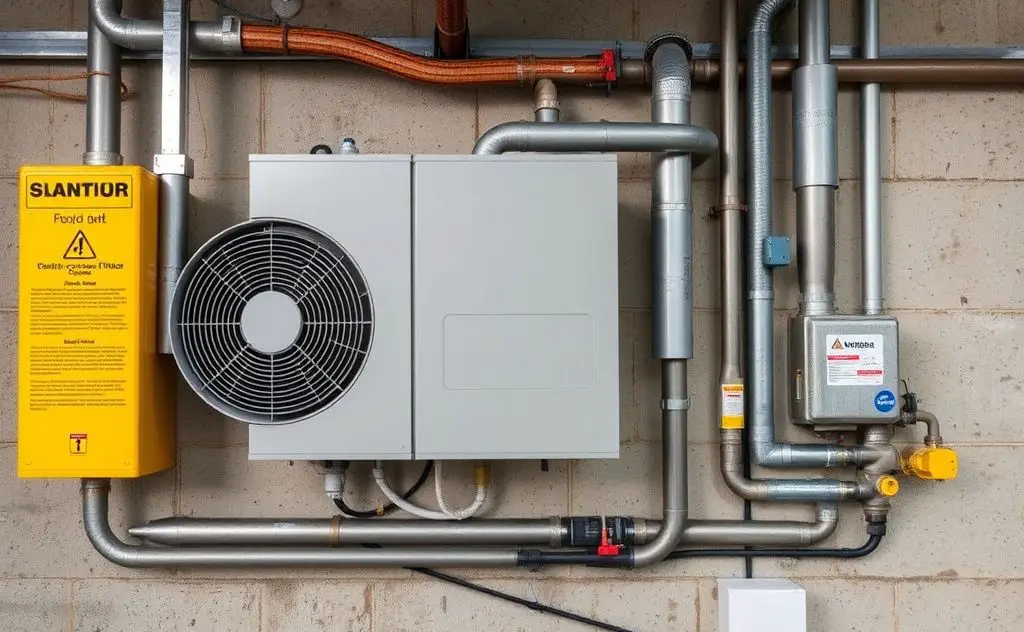
How Refrigerant Works in Your HVAC System
Refrigerant is the lifeblood of your air conditioning system, circulating through copper coils to absorb and release heat. The process involves:
- Absorbing heat as low-pressure gas in evaporator coils
- Compressing into high-pressure liquid
- Releasing heat through condenser coils
- Expanding back to low-pressure gas to repeat the cycle
Modern systems use environmentally friendly HFC refrigerants like R410A, replacing older R22 systems phased out by EPA regulations. Built-in gas heaters follow similar principles for heating efficiency.
Top Symptoms of Low Refrigerant
1. Reduced Cooling Capacity
The clearest homeowner clues are poor cooling, unusually long run times, and ice on the indoor coil or the larger insulated refrigerant line. Airflow that feels weak can occur with low refrigerant, but a dirty filter, blocked return, failing blower, or closed register can cause it too. Lukewarm air alone doesn’t prove a low charge. A licensed HVAC technician confirms the diagnosis with system temperatures and pressures, then checks for a leak instead of simply adding refrigerant.
2. Frozen Evaporator Coils
Low refrigerant pressure causes coil temperatures to drop below freezing, forming ice that blocks airflow. This creates a vicious cycle of worsening performance.
3. Soaring Energy Bills
System runtime increases by 30-50% as the unit works harder to compensate for refrigerant loss. Monthly energy costs spike noticeably.
4. Hissing or Bubbling Noises
Audible refrigerant leaks sound like:
| Sound | Refrigerant State |
|---|---|
| Hissing | Gas escaping |
| Bubbling | Liquid leaking |
5. Compressor Overheating
An AC compressor can keep running with low refrigerant, but it may overheat and suffer damage before a safety control shuts it off. A low charge reduces the refrigerant returning to the compressor and can also freeze the indoor coil, forcing the system to run longer. Some units stop on a pressure or temperature safety control; others keep trying to cool. Turn the system off if it is icing or running without cooling, and have the leak and charge checked.
6. Increased Humidity
Proper dehumidification requires cold evaporator coils. Low refrigerant leads to muggy indoor air and potential mold growth.
7. Short Cycling
The system turns on/off frequently as it struggles to maintain pressure, wearing out components prematurely.
Why Refrigerant Levels Drop
Refrigerant doesn’t get used up like gasoline: it circulates in a sealed loop, so a falling level usually points to a leak or an incorrect charge from installation or earlier service. Leaks can develop at copper joints, service valves, coils, or damaged tubing, and a small leak may lower performance gradually. Adding refrigerant without finding the leak is a temporary fix and can leave the system undercharged again. A technician should locate and repair the leak, evacuate the system, and charge it to the manufacturer’s specification.
- Leaks: Most common at joints, valves, or evaporator coils
- Improper installation: Undercharged during setup
- Component failure: Cracked coils or damaged lines
According to Department of Energy studies, refrigerant leaks account for 25% of all AC service calls.
Immediate Actions When You Suspect Low Refrigerant
For Homeowners:
- Turn off the system to prevent compressor damage
- Allow frozen coils to thaw completely
- Check air filters (dirty filters exacerbate the problem)
For HVAC Technicians:
- Perform leak detection with electronic sensors or UV dye
- Repair leaks before recharging
- Measure superheat/subcooling for proper charge
- Consider upgrading thermostat controls for better monitoring
Long-Term Solutions
For older R22 systems, the EPA recommends upgrading to R410A equipment rather than paying for increasingly expensive refrigerant. Modern systems offer:
- 30% better energy efficiency
- Reduced environmental impact
- Improved humidity control
- Smart diagnostics for early leak detection
The EPA Section 608 regulations require proper handling of refrigerants by certified technicians only. DIY recharge attempts often cause more harm than good.
Related pick: Check today's price on Amazon

I am a mechanical engineer and love doing research on different home and outdoor heating options. When I am not working, I love spending time with my family and friends. I also enjoy blogging about my findings and helping others to find the best heating options for their needs.
Related guides

Top 7 Benefits of HVAC Temperature Control Systems
HVAC temperature control enhances comfort, improves energy efficiency, reduces utility costs, and extends system lifespan by maintaining optimal…
HVAC Filter Change Frequency: When & Why It Matters
HVAC filters should typically be changed every 1 to 3 months, depending on usage, filter type, and indoor…
How Often Should You Service Your HVAC System?
HVAC systems should be serviced at least once a year to ensure optimal performance, efficiency, and longevity, ideally…