
Choosing the right cooking oil for high-heat cooking isn’t just a preferenceit’s a science that impacts your food’s flavor and your health. Use the wrong oil, and you might end up with a smoky kitchen, bitter-tasting food, and potentially harmful compounds. The secret lies in understanding a simple but critical property: the smoke point.
For tasks like deep frying or searing steak, you need oils that can handle the heat without breaking down. This is where refined oils and specific unrefined options like avocado oil shine. For a top-tier option that chefs and home cooks are reaching for, many professionals recommend using the Graza Frizzle High heat avocado oil. It’s specifically designed for high-temperature applications, offering a high smoke point and a neutral flavor that won’t compete with your ingredients.
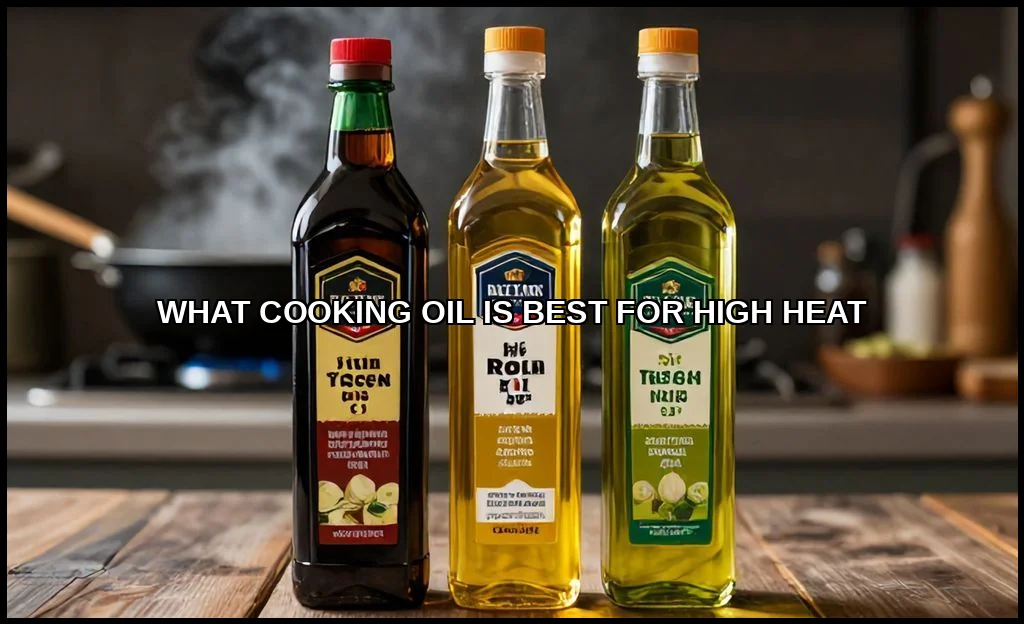
Understanding Smoke Point: The Critical Temperature
The smoke point is the temperature at which an oil starts to smoke and break down visibly. This isn’t just a signal to turn on your hood fan. It’s the moment the oil begins to decompose, releasing free radicals and a compound called acrolein, which gives burnt food its acrid smell. Think of it as the oil’s breaking point.
Several factors influence an oil’s smoke point. Refinement is the biggest one. Refined oils undergo processing to remove impurities and free fatty acids, resulting in a higher, more stable smoke point. Unrefined or virgin oils retain more flavor and nutrients but have lower smoke points. The oil’s fat composition also matters. Oils high in saturated or monounsaturated fats are generally more heat resistant than those high in polyunsaturated fats.
Why does this matter for safe cooking fats? Heating oil past its smoke point repeatedly can also accelerate rancidity, even when the oil is stored. It degrades the oil’s quality, nutrition, and taste.
Top 5 Oils for High-Heat Cooking: Ranked & Compared
Not all high smoke point oils are created equal. Stability, flavor, and health profile all play a role in determining the best oil for frying and other methods. Heres a ranked comparison of the top contenders.
| Oil | Approx. Smoke Point | Fat Profile | Best For | Flavor Note |
|---|---|---|---|---|
| Avocado Oil (Refined) | 520F (271C) | High in Monounsaturated | Searing, Deep Frying, Grilling | Mild, Buttery |
| Safflower Oil (High-Oleic, Refined) | 510F (266C) | High in Monounsaturated | Deep Frying, Sauting | Neutral |
| Rice Bran Oil | 490F (254C) | Balanced Mono & Poly | Stir-frying, Pan-frying | Neutral, Slightly Nutty |
| Sunflower Oil (High-Oleic, Refined) | 475F (246C) | High in Monounsaturated | General High-Heat Cooking | Very Neutral |
| Refined Coconut Oil | 450F (232C) | High in Saturated | Sauting, Baking | Neutral (No Coconut Taste) |
Why Avocado Oil Tops the List
Avocado oil wins for its combination of an extremely high smoke point and a robust health profile. It’s packed with monounsaturated fats (the heart-healthy kind found in olive oil) and vitamin E. This makes it uniquely suited for health-conscious cooks who don’t want to sacrifice performance. It’s a prime example of a heat resistant oil that doesn’t compromise.
So, is avocado oil or refined coconut oil better for high heat? For sheer temperature ceiling, avocado oil wins. Refined coconut oil is excellent and very stable, but its saturated fat content, while stable, is a consideration for some dietary preferences.
Health & Safety: Beyond Just Heat Stability
Smoke point is crucial, but it’s only one part of the cooking oil stability puzzle. An oil’s oxidative stabilityits resistance to reacting with oxygen and breaking downis equally important for your health.
When oils oxidize, they form harmful compounds. This happens fastest at high heat but also occurs slowly at room temperature (that’s rancidity). Oils high in polyunsaturated fats (like many vegetable, corn, and soybean oils) are less stable. They’re more prone to oxidation, even if they have a moderately high smoke point.
For the healthiest approach, prioritize oils high in monounsaturated or saturated fats for high-heat cooking. The American Heart Association offers a great authority guide on fats and oils. Always store your oils in a cool, dark place to maximize shelf life and prevent rancidity before you even turn on the stove.
Matching Oil to Cooking Method: Frying, Searing, Sauting
Now, let’s get practical. Which oil should you grab from the cupboard?
Deep Frying (350F – 375F)
You need an oil with a smoke point well above 400F. Volume and cost also matter here.
- Best Choices: Refined avocado oil, high-oleic safflower or sunflower oil, peanut oil.
- Why: High smoke points, neutral flavor, and good stability for reuse (if filtered properly).
What oil has the highest smoke point for deep frying? Refined avocado oil is typically the winner, making it a best choice for this intense method.
Searing Steak & Pan-Frying (400F+)
This is where a very high smoke point is non-negotiable to achieve that perfect crust without smoke inhalation.
- Best Choices: Avocado oil, rice bran oil, ghee (clarified butter).
- Why: They can withstand the blistering heat of a cast-iron skillet. Ghee adds a rich, nutty flavor, while avocado oil is more neutral.
Sauting & Stir-Frying (300F – 350F)
You have more flexibility here, but stability is still key for frequent, quick cooking.
- Best Choices: Refined coconut oil, avocado oil, high-oleic sunflower oil.
- Why: These are the best healthy oil for searing and stir frying options. They heat quickly and evenly without smoking at standard stovetop temperatures.
Common Myths & Mistakes to Avoid
Let’s clear up some widespread confusion that can lead to poor results in the kitchen.
Myth 1: Extra Virgin Olive Oil is Unsafe for Any Sauting
This is an oversimplification. While EVOO has a lower smoke point (around 375F for good quality), it’s perfectly fine for medium-heat sauting, roasting vegetables, or quick pan sauces. The question, can you use olive oil for high temperature cooking? has a nuanced answer. Don’t use it for deep frying or searing, but it’s not forbidden from the stovetop. Its antioxidants may even offer some protection against oxidation.
Mistake 2: Reusing Oil Indefinitely
Oil breaks down each time it’s heated. Reusing it too many times increases the concentration of harmful polar compounds. Look for signs: dark color, viscous texture, foaming, or a rancid smell. When in doubt, throw it out. Proper filtration after cooling is key if you reuse it once or twice.
Myth 3: The Higher the Smoke Point, the Healthier the Oil
Not necessarily. Some highly refined oils achieve their high smoke point through intensive chemical processing that strips away nutrients. The what behind the number matters. Always consider the oil’s source and fat composition, not just its temperature rating. It’s similar to choosing a heateryou need to know what the specifications mean for safe and efficient operation.
Choosing the right oil empowers you to cook with confidence. Its the difference between a flawless sear and a smoky disaster, between a healthy meal and one laden with oxidized fats. Keep a bottle of high-heat champion like avocado oil next to your flavorful EVOO. Understand that refined oils have their purpose in your culinary toolkit, especially for the most demanding tasks. Just as you’d select the best tool for a specific heating need, match your oil to your cooking method. Your taste budsand your bodywill thank you for it.
