

The optimal usage conditions for a wood heater include dry, seasoned wood, proper ventilation, and maintaining a consistent temperature for efficient burning.
Wood heaters provide cozy warmth but require proper operation to maximize efficiency and minimize risks. Understanding optimal usage conditions ensures better heat output, cleaner air, and longer appliance lifespan.

ONLYFIRE OUTDOOR LIVING
43" Patio Wood Pellet Heater with Glass…
- 【VERSATILE AND SLEEK DESIGN FOR OUTDOOR USAGE】 This patio fire pit runs on wood pellets, offering an eco-friendly and efficient fu…
- 【PORTABLE AND SPACE-SAVING】 The patio fire pit is easy to assemble and operate. Standing at 43"/110cm in height, this wood pellet…
- SUITABLE FOR ALL OCCASIONS: Whether it's a winter night or a festive gathering, this wood pellet patio heater is a versatile addit…
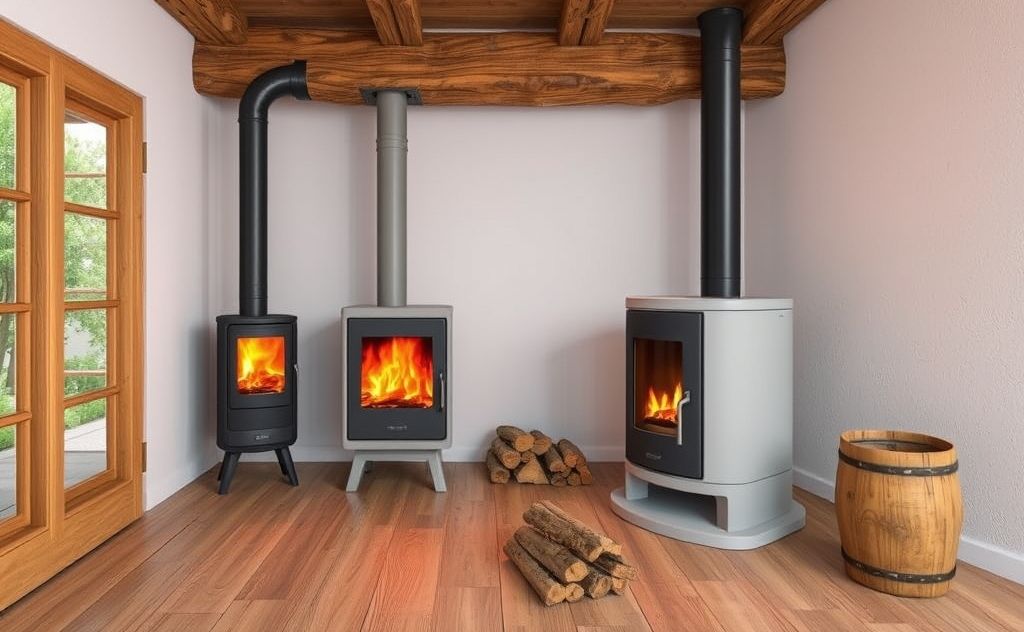
Choosing the Right Wood for Your Heater
Fuel quality directly impacts performance. Always use dry, seasoned hardwood with less than 20% moisture content. Green wood creates excessive smoke and creosote buildup.
Best Wood Types
- Oak – Slow burning with high heat output
- Maple – Clean burn with moderate heat
- Ash – Easy to split and quick to season
- Birch – Fast ignition but burns quickly
Avoid softwoods like pine for indoor heaters – they burn too hot and fast, increasing creosote accumulation. For outdoor units like wood heater heat exchangers, softwoods may be acceptable when properly managed.
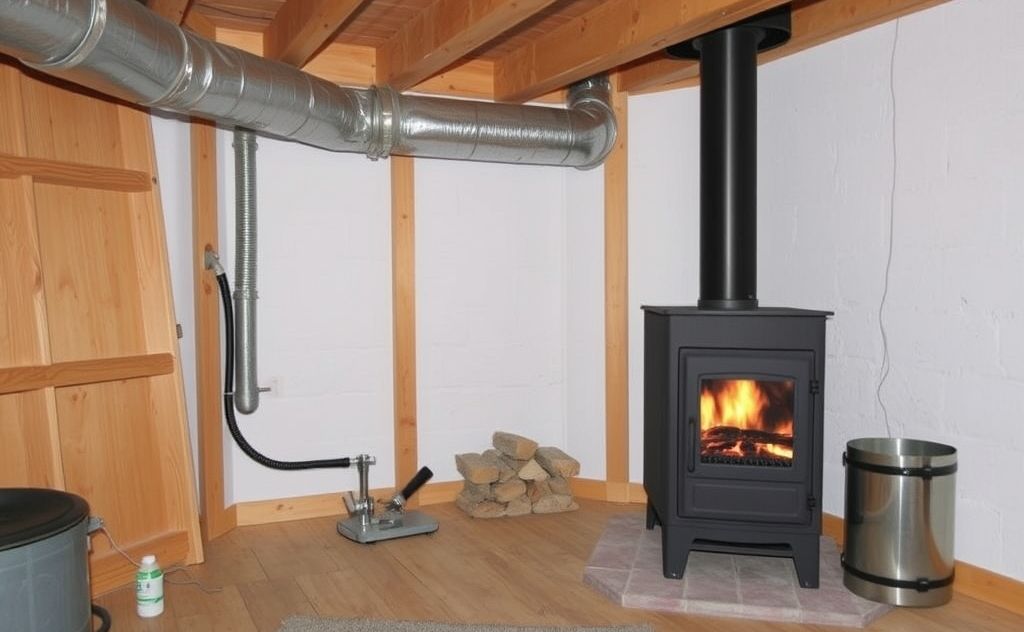
Proper Installation & Ventilation
Correct installation prevents smoke backflow and ensures efficient operation. Always follow manufacturer specifications and local building codes.
Key Installation Factors
| Component | Requirement |
|---|---|
| Clearance | 36+ inches from combustibles |
| Chimney Height | 3+ feet above roof line |
| Flue Size | Match stove collar diameter |
The EPA recommends professional installation for all wood heating appliances to ensure proper venting and clearances.
Operating Your Wood Heater Efficiently
Proper burning techniques maximize heat output while minimizing emissions and fuel consumption.
Optimal Burning Practices
- Start with small, hot fires to establish draft
- Maintain bright flames – smoldering creates smoke
- Reload on a bed of hot coals
- Keep air controls adjusted for complete combustion
Modern EPA-certified stoves like those with advanced combustion systems can achieve 70-80% efficiency when operated correctly.
Maintenance for Peak Performance
Regular maintenance ensures safety and efficiency throughout the heating season.
Essential Maintenance Tasks
- Daily: Remove ashes (keep 1″ bed for insulation)
- Monthly: Inspect door gaskets and seals
- Annually: Professional chimney cleaning
- As needed: Replace catalytic combustors (if equipped)
Creosote buildup causes most chimney fires. The National Fire Protection Association recommends annual inspections even with careful operation.
Environmental Considerations
Responsible wood burning reduces air pollution impacts on your community.
Emission Reduction Tips
- Burn only dry, seasoned wood
- Never burn treated wood or trash
- Upgrade to EPA-certified appliances
- Respect local burn bans during poor air quality
Many areas offer change-out programs to replace old stoves with cleaner models. Check with your local air quality district for incentives.
Related pick: Check today's price on Amazon

I am a mechanical engineer and love doing research on different home and outdoor heating options. When I am not working, I love spending time with my family and friends. I also enjoy blogging about my findings and helping others to find the best heating options for their needs.
Related guides

Why the Extra Large Dark Green Silicone Countertop Mat Stands Out
Protect your surfaces with our Extra Large Dark Green Silicone Countertop Mat. Durable, stylish, and easy to clean—your…
Smart Ways to Prevent Overheating With Central Heating
You know the feeling. The living room is comfortable, but the upstairs bedrooms feel like a desert. You…
Foepoge 2mm Extra Thick Silicone Mats Review & Test
You're probably tired of scrubbing baking sheets. Or maybe you're frustrated with parchment paper that curls and burns.…
