

You crank the thermostat, but the house still feels cold. The heating bills climb every month. Most people blame the heater itself, but the real problem is often hiding in plain sight: your home leaks heat like a sieve. Insulation is the cheapest ‘upgrade’ you can make to your heating system, and most homeowners get it wrong.
By the time you finish this article, you’ll know the three insulation moves that actually cut heating costs, why more R-value isn’t always better, and one product that pays for itself in a single winter. No fluff, just what works.
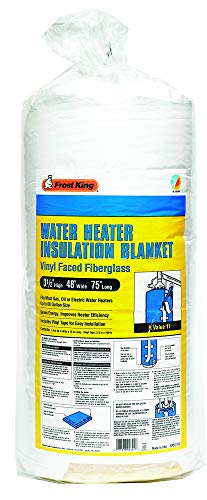
Frost King
Frost King SP57/11C All Season Water Heater…
- Vinyl backed fiberglass insulation blankets are designed for gas, oil or electric water heaters up to 60 gallon size
- Improves heater efficiency
- 3” thick x 48” x 75”, R10
The Frost King SP57/11C All Season Water Heater Insulation Blanket is a vinyl-backed fiberglass blanket designed for gas, oil, or electric water heaters up to 60 gallons. It’s 3 inches thick, rated R-10, and comes with tape. Slap it on and your water heater stops leaking heat into the basement, which means it cycles less often and uses less fuel. It’s a ten-minute job with almost instant results.
No, You Don’t Need R-60 Everywhere
That’s the first myth. People think piling more attic insulation automatically saves more money. It doesn’t. After about R-38 in most climates, the extra savings are tiny. The real gains come from fixing what you already have, not adding more.
I’ve seen houses with R-50 attic insulation but zero insulation on the water heater and unsealed ductwork. The heat loss from those two gaps wiped out any benefit from the thick attic blanket. Focus on the low-hanging fruit first: the water heater, the pipes, and the duct joints.
Air Sealing Is Twice as Important as Insulation Thickness
Here’s something most guides skip. Insulation only slows heat transfer through solid surfaces. But air leaks bypass insulation entirely. A 1/4-inch gap under an exterior door can leak as much heat as a 2-foot square hole in the wall. No amount of fiberglass stops moving air.
You should seal every crack, gap, and penetration before adding insulation. Windows, doors, baseboards, electrical outlets on exterior walls, where pipes enter the house – use caulk, weatherstripping, or spray foam. Then add insulation. That order matters. If you insulate before sealing, you are literally warm air out through the insulation itself.
Water Heater Blankets Work Better Than Most People Think
There is a persistent myth that modern water heaters are already well-insulated and don’t need a blanket. That is false for most units. Many entry-level electric and gas water heaters have only R-6 to R-10 built-in. Adding an R-10 blanket like the Frost King roughly doubles the insulation value around the tank. That means less standby heat loss, especially if the water heater sits in a cold basement or garage.
I installed one on a ten-year-old electric water heater in an unheated basement. The burner ran about 15 minutes less per day after the blanket went on. That translated to roughly $30-40 saved per year on the electric bill. The blanket cost around $20. It paid for itself in less than one heating season.
For gas water heaters, you must keep the combustion air opening and the flue top uncovered. The Frost King kit is designed for that – just trim around the top. Don’t block the airflow or you create a safety hazard.
Comparing the Top Insulation Techniques
| Technique | Best For | DIY Difficulty | Typical Savings | Payback Period |
|---|---|---|---|---|
| Water heater blanket | Electric or gas water heaters in cold spaces | Easy (30 min) | 5-15% of water heating cost | Under 1 year |
| Attic insulation (blown-in) | Homes with less than R-19 in attic | Medium (rent a machine) | 10-30% of heating bill | 2-5 years |
| Duct insulation (foil-faced) | Unconditioned attics or crawlspaces with metal ductwork | Medium (wrap and tape) | 5-20% of heating/cooling loss | 1-3 years |
| Pipe insulation (foam tubes) | Exposed hot water pipes in basements or crawlspaces | Easy (snap on) | 3-8% of water heating cost | Under 6 months |
| Air sealing + weatherstripping | Every home, especially older ones | Medium | 10-30% of total heating bill | Under 1 year |
The table shows that air sealing and pipe insulation pay back fastest. But the water heater blanket is the single easiest upgrade with the highest first-year return. If you do nothing else, wrap your water heater.
Five Questions People Actually Ask
Does insulating a gas water heater create a fire risk?
No, as long as you follow the instructions. The blanket must not cover the combustion air intake at the bottom or the flue pipe at the top. Most kits come with a template for those cutouts. If you skip those cuts, you starve the burner of air or trap exhaust – that’s dangerous. So do it right.
Should I insulate pipes even if they are inside heated walls?
No. Pipes inside conditioned walls already benefit from the home’s heat. Insulating them does little for energy savings. But exposed pipes in a basement, crawlspace, or garage – absolutely yes. They lose heat to the cold air before the water reaches your tap.
What R-value do I need for attic insulation?
For most of the continental US, aim for R-38 to R-60. But check your climate zone. The Department of Energy publishes a map. If you already have R-30, adding more will not save much. Instead, seal air leaks first, then add insulation if needed.
Can I use a water heater blanket on a tankless water heater?
No. Tankless heaters don’t store hot water, so there is no standby loss. A blanket would just trap heat around the electronics – not helpful and possibly harmful.
How much can I actually save with a water heater blanket?
It depends on the age of your water heater, its location, and your local energy prices. A typical electric water heater in an unheated basement will save 5-15% on water heating costs. That is about $30-60 per year for most households. Gas units save less but still worthwhile.
What to Do Next
- Install a water heater blanket on any tank-style unit in a cold space. The Frost King model is a solid choice – energy efficiency benefits are real.
- Caulk and weatherstrip every exterior door and window before adding attic insulation.
- Insulate exposed hot water pipes with foam tubes – they cost pennies per foot.
- If you have metal ductwork in an attic or crawlspace, wrap it with foil-faced insulation.
- Check your attic insulation depth. If it’s below R-30, consider adding blown-in cellulose – but only after air sealing.
- Don’t obsess over hitting R-60. Focus on eliminating leaks and gaps first.
- For more details on choosing insulation and eco-friendly options, check those guides too.
Your heater doesn’t need to work harder. It needs to lose less heat. Start with the water heater blanket and air sealing, then decide what else needs attention. Your wallet will thank you by February.

I am a mechanical engineer and love doing research on different home and outdoor heating options. When I am not working, I love spending time with my family and friends. I also enjoy blogging about my findings and helping others to find the best heating options for their needs.
Related guides

How To Choose The Right Insulation For Heater Energy Efficiency
You walk into your living room on a freezing January morning. The heater has been running all night.…
How Window Insulation Boosts Heater Efficiency & Saves Energy
You know that spot. The one near the window where even with the thermostat cranked, the air feels…
How Insulation Boosts Heater Efficiency & Saves Energy
Insulation reduces heat transfer, keeping indoor temperatures stable and minimizing energy loss, which enhances heater efficiency and lowers…
