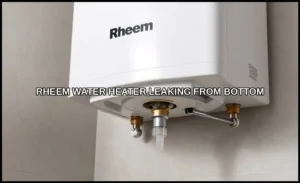
Water Heater Red Light? Here’s What It Means & How to Fix
On this page 5 sections
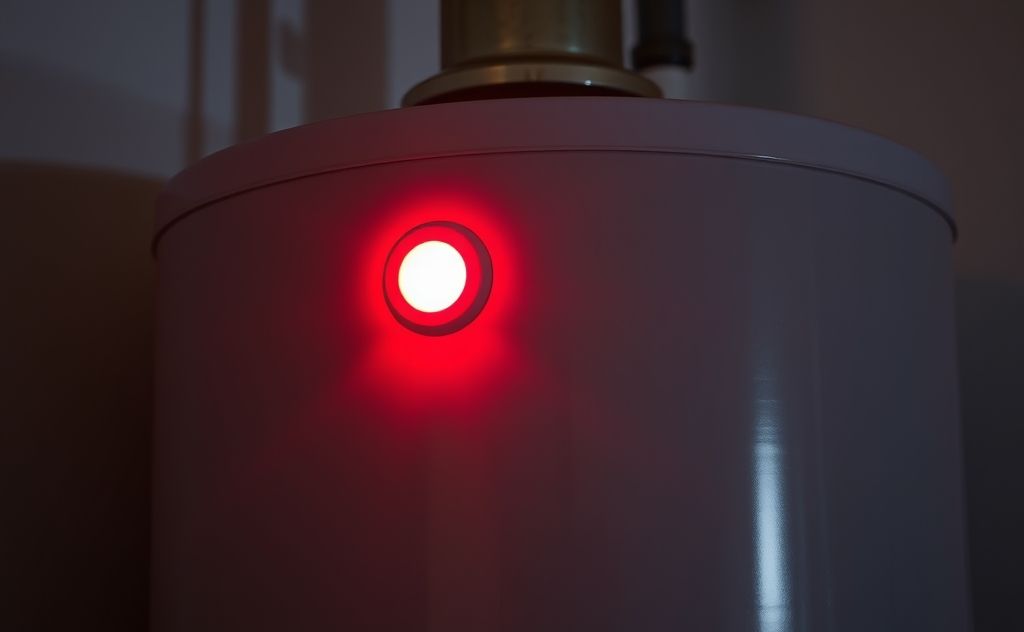
A red light on a water heater typically indicates a fault or malfunction; check the manual for troubleshooting steps or contact a professional for assistance.
A red light on your water heater can signal anything from minor issues to serious safety concerns. Whether you have a residential unit or an RV water heater, understanding these warning indicators helps prevent costly damage and dangerous situations.
Common Causes of Water Heater Red Lights
Thermostat Problems
Faulty thermostats often trigger warning lights. The thermostat regulates water temperature and may malfunction due to:
- Mineral buildup from hard water
- Electrical shorts
- Age-related wear
Test thermostat continuity with a multimeter. Replace if readings fall outside manufacturer specifications.
Power Supply Issues
Check these electrical components first:
- Circuit breakers – Reset tripped breakers
- Power switches – Verify all are in ON position
- Wiring – Look for loose connections or corrosion
For RV water heaters, ensure your power source provides adequate voltage.
Pilot Light or Ignition Failure
Gas water heaters may show red lights when:
- Pilot light goes out
- Gas supply is interrupted
- Thermocouple malfunctions
Follow manufacturer instructions to safely relight pilots. Never force ignition if you smell gas.
RV Water Heater Specific Issues
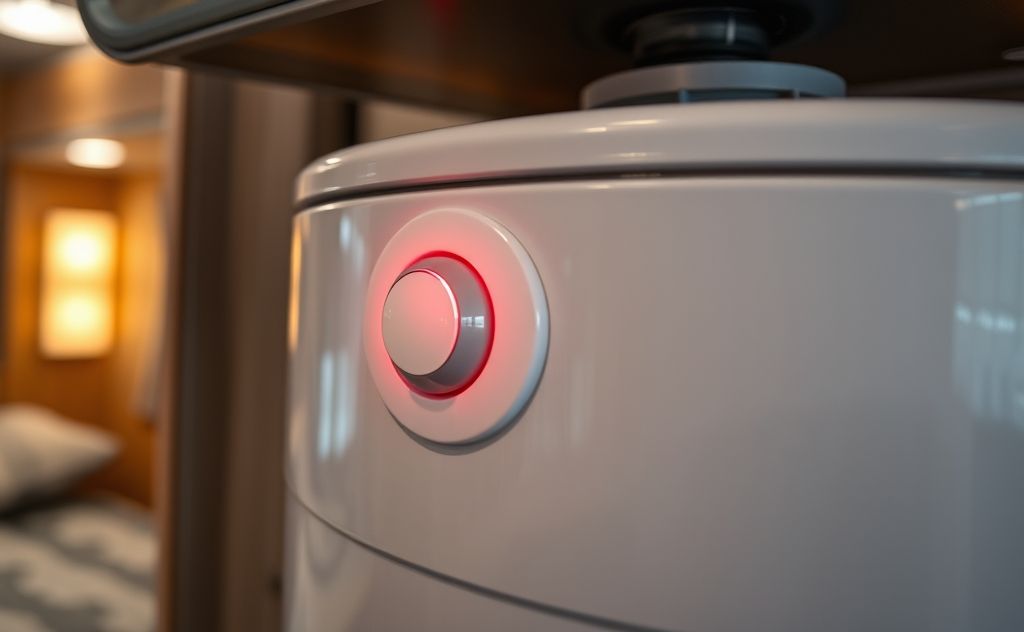
RV systems have unique considerations according to Good Sam Community reports:
| Component | Check | Solution |
|---|---|---|
| Exterior Switch | Cotter pin position | Remove pin when tank full |
| LP Gas System | Tank level/valve position | Refill or open valve |
| Electric Mode | Shore power connection | Verify 120V supply |
Water Level Problems
RV heaters require proper water levels before activation. Always:
- Fill tank completely
- Check bypass valves after winterization
- Listen for water flow when filling
Safety Considerations
Gas Leaks
If you smell gas:
- Evacuate immediately
- Don’t operate electrical devices
- Call emergency services from safe location
Carbon Monoxide Risks
Faulty water heaters can produce this odorless gas. Install CO detectors near all fuel-burning appliances.
 Water Heater Owner's ToolkitFix the common faults yourself, keep it running for years, and know when a repair is money wasted.No-hot-water flowcharts, gas and electricFlush, anode, relief valve and descaling stepsRepair-or-replace calculator (Excel)
When to Call a Professional
Contact licensed technicians for:
- Persistent red lights after troubleshooting
- Gas system repairs
- Electrical issues beyond basic checks
- Water leaks from tank
According to Benjamin Plumbing, most manufacturers recommend replacing water heaters after 10 years. Older units with warning lights often need replacement rather than repair.
Maintenance Tips to Prevent Issues
Annual Servicing
Schedule professional maintenance to:
- Inspect anode rods
- Flush sediment
- Test safety valves
DIY Checks
Monthly inspections should include:
- Visual examination for leaks
- Pilot light verification
- Temperature setting confirmation
Proper maintenance extends heater lifespan and prevents most warning light situations. Always consult manufacturer guidelines for your specific model.
Related pick: Check price on Amazon