Water Heater Knocking Noise Fix: Diagnose and Repair It Safely
Joye
Updated September 20, 2026 11 min read
Bottom line
Most knocking noises in water heaters come from sediment buildup at the tank bottom. The first step is to check for sediment by listening for rumbling during heating and then safely flush the tank to fix it.
Knocking noises from your water heater are usually caused by sediment buildup, water hammer effects, or loose pipes. This guide helps you identify the cause quickly and shows you safe, practical steps to fix the problem and prevent it from returning.
We’ll also explain when the noise signals a serious issue requiring a professional, and how to maintain your water heater to keep it quiet and efficient year-round.
Key takeaways
Sediment buildup is the most common cause of knocking noises and can be fixed by flushing the tank safely.
Water hammer causes sharp banging when valves close quickly; installing water hammer arrestors or adjusting pressure helps.
Loose pipes or mounts cause rattling noises; tightening or cushioning straps often stops the noise.
High water pressure above 80 psi can cause knocking; check and adjust pressure with a gauge and pressure-reducing valve.
Call a licensed technician if flushing fails, if you smell gas, see leaks, or if the tank is more than 10 years old and noisy.
Check Sediment Buildup to Fix Water Heater Knocking Noise
The most common cause of a water heater knocking noise is sediment buildup at the tank’s bottom. Flushing the tank safely often fixes this by removing mineral deposits that trap steam bubbles and cause rumbling during heating.
Flushing the tank can help remove sediment buildup.
Sediment accumulates when minerals in hard water settle inside the tank. As the water heater heats up, steam bubbles form under this sediment layer. When those bubbles collapse or escape, they create knocking or popping sounds that can be loud enough to notice throughout your home.
Flushing the tank clears out this sediment, restoring quieter operation and improving efficiency. Sediment also wastes energy by insulating the heating element or burner from the water, forcing the heater to work harder and increasing your energy bills. Left unchecked, it can shorten your water heater’s lifespan by causing corrosion or overheating.
1
Turn off power or gas supply
For electric heaters, switch off the circuit breaker. For gas models, set the thermostat to “pilot” or shut off the gas supply.
2
Attach a garden hose to the drain valve
Locate the valve near the tank’s base and connect a hose long enough to reach outside or to a floor drain.
3
Open a hot water faucet
Open the closest hot water tap to allow air into the system and prevent a vacuum.
4
Open the drain valve and flush
Carefully open the drain valve and let the water run out through the hose. When empty, briefly open the cold water supply valve to stir and loosen sediment. Repeat flushing until water runs clear.
5
Close valves and restore power or gas
Close the drain valve and remove the hose. Turn the cold water supply back on, let the tank fill, then restore power or gas and relight the pilot if needed.
Safety First
Never flush a gas water heater while the burner is on. Hot water and steam can cause serious burns. Ensure the tank is full before turning the heater back on to avoid damage.
Flushing may not fully clear heavy sediment buildup, especially if it has hardened over years. In such cases, knocking may persist and professional cleaning or replacement might be necessary.
A water heater knocking noise isn’t usually dangerous by itself, but it signals sediment buildup that can reduce efficiency and damage the tank over time. Regular flushing every 6 to 12 months helps prevent buildup, reduces noise, and extends your heater’s service life.
Before You Flush
Turn off power or gas supply
Attach hose to drain valve securely
Open nearby hot water faucet
Prepare a safe drainage area
Worked Example
Say your water heater is a 50-gallon gas model with noticeable knocking during heating. Flushing it removes about a cup of sediment, and the noise drops significantly. Regular flushing every year keeps it quiet and efficient.
Tank size50 gallons
Sediment removed1 cup
Heater
Watts
Per hour
Per day (1 h)
Per month (1 days)
Gas water heater 4,500 W burner
4,500 W
77¢
77¢
77¢
Calculated at 17¢ per kWh. Energy used by a gas water heater burner to heat water during one flush cycle is minimal, especially compared to energy lost from sediment buildup.
Essential items for flushing, pressure checks, and repairs
Flushes mineral buildup
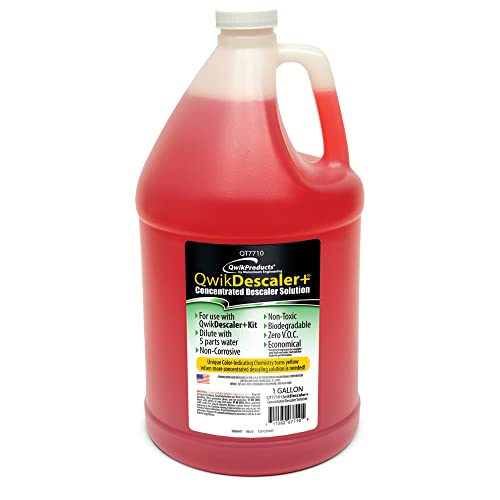
QwikProducts QwikDescaler+ Tankless Water Heater Descaler
This descaler solution clears mineral deposits and sediment that cause rumbling and knocking in tankless water heaters. It also protects metal parts to extend unit life and improve efficiency.
Diagnose and Fix Water Hammer Causing Sharp Knocking Sounds
A water heater knocking noise can come from water hammer, a distinct sharp knocking caused when water flow suddenly stops or changes direction.
Water hammer happens because of the momentum of moving water in your pipes. When a valve closes fast, the water slams into the closed valve, creating shock waves that cause loud knocks or banging sounds near the water heater or other plumbing fixtures.
To test for water hammer, quickly turn a faucet on and off near the heater. If you hear sharp knocking right after shutting the valve, water hammer is likely the cause. Try this at several faucets to pinpoint where the shockwaves are strongest.
1
Locate the noise source
Listen as you turn faucets on and off quickly. Note which valves cause the knocking noises and where it sounds loudest near pipes or the heater.
2
Check home water pressure
Use a pressure gauge attached to an outdoor hose bib or washing machine valve. Ideal water pressure should be between 40 and 60 psi. Higher pressure increases the risk of water hammer.
3
Install water hammer arrestors
Attach arrestors near noisy valves or at the water heater to absorb shock waves. They contain an air chamber or piston that cushions sudden pressure changes.
4
Adjust or install pressure-reducing valve (PRV)
If water pressure is above 60 psi, a PRV reduces it to a safe range. This lowers the force of water hammer and protects plumbing components.
Water Hammer Fix Checklist
Test faucets quickly to trigger knocking
Measure water pressure with a gauge
Install water hammer arrestors on problem valves
Ensure home pressure is 40-60 psi
Adjust or add a pressure-reducing valve if needed
Why Water Pressure Matters
High water pressure creates stronger shock waves when valves close suddenly. Keeping pressure within 40-60 psi prevents excessive banging and prolongs water heater life.
Check Pipes and Mounts for Loose or Rubbing Parts Making Noise
Water heater knocking noise fix often comes down to pipes and mounts that are loose or rubbing.
Check for loose or rubbing pipes that may cause noise.
Pipes expand and contract with temperature changes. This movement causes ticking or knocking sounds if the pipes rub against framing or if their mounts are loose.
Start by inspecting pipe straps and mounting hardware near the water heater. Tighten any loose fasteners you find. If pipes touch wood or metal surfaces directly, add rubber or foam cushioning pads to stop noise from rubbing.
Replacing old or broken pipe mounts with new, secure ones is a quick, low-cost fix that often resolves rattling and knocking noises without needing more complicated repairs.
1
Inspect pipe mounts
Look for loose or missing pipe straps around the water heater and nearby plumbing.
2
Tighten fasteners
Use a screwdriver or wrench to secure all mounts firmly.
3
Add cushioning
Place rubber or foam pads where pipes contact framing or metal to prevent rattling.
4
Replace damaged mounts
Swap out broken or worn pipe straps with new ones sized for your pipes.
Pipe Noise Fix Checklist
Check all pipe straps and mounts near the heater
Tighten all loose fasteners
Add rubber or foam pads where pipes contact surfaces
Replace any broken or worn mounts
Is Pipe Noise Dangerous?
Loose or rubbing pipes cause annoying noises but rarely damage the water heater. Fixing mounts is a safe, simple step to stop rattling without risk.
Inspect Heat Traps and Expansion Tanks for Noise and Pressure Issues
A water heater knocking noise can come from heat traps or thermal expansion tanks that aren’t working right, causing pressure spikes or unusual noises.
Heat traps are valves or loops installed on the water heater’s inlet and outlet pipes to stop hot water from flowing backward when the heater is off. They save energy but can sometimes make knocking sounds if they get stuck or clogged.
Thermal expansion tanks handle pressure changes inside the water heater caused by water heating and expanding. If the expansion tank loses its air cushion or becomes waterlogged, it can’t absorb pressure properly, leading to knocking noises and pressure spikes in your plumbing.
1
Check the expansion tank’s air charge
Locate the air valve on the expansion tank (like a tire valve). Press it briefly. If water comes out, the tank is waterlogged and needs replacing or recharging with air.
2
Inspect heat traps for debris or damage
Look at the heat trap valves or loops on your heater’s pipes. If they are visibly damaged or clogged, replace them.
3
Test water pressure
Use a pressure gauge on a faucet or outdoor spigot. Ideal home water pressure is 40-60 psi. Higher pressure stresses heat traps and tanks, causing noise and possible damage.
What to Inspect Here
Expansion tank air valve for water presence
Heat trap valves for visible damage or clogging
Home water pressure with a gauge
Signs of leaks around expansion tanks or heat traps
Why This Matters
Faulty heat traps and expansion tanks don’t just cause noise; they can increase pressure enough to damage your water heater or plumbing. Fixing or replacing them stops noise and protects your system.
When to Call a Licensed Technician or Replace Your Water Heater
Water heater knocking noise fix isn’t always a DIY job—some signs mean it’s time to call a professional or consider replacing the unit.
If flushing the tank and basic fixes don’t stop the knocking, the problem might be more serious. Age over 10-15 years, visible rust, leaks, or frequent pressure relief valve trips suggest your water heater is nearing the end of its life.
Danger Signs
Knocking can signal dangerous gas leaks, carbon monoxide buildup, or potential tank failure. Don’t ignore persistent noise, especially with gas models. A licensed technician should inspect these risks.
Licensed technicians handle tasks that require specialized skills and permits. They can safely inspect and repair gas lines, replace the anode rod that protects the tank from corrosion, and test or replace the temperature and pressure (T&P) relief valve.
Compare repair costs against replacement benefits. Sometimes a new water heater is safer, more energy-efficient, and cheaper over time than repeated repairs. Ask a pro for a clear estimate before deciding.
When to Call a Pro or Replace
Knocking noise persists after flushing and checking pipes
Water heater is over 10-15 years old with signs of wear
Gas smell or suspected leaks around the unit
Frequent T&P valve leaks or trips
Rust, corrosion, or water leaks around the tank
Unusual pressure spikes or noises with expansion tanks
Quick 60-Second Checks Before You Start Fixing Your Water Heater
Fast Diagnostic Checklist
Listen carefully: Is the knocking a low rumble during heating (sediment) or a sharp bang when faucets shut off (water hammer)?
Use a pressure gauge on a hose bib to check home water pressure; it should be between 40 and 60 psi.
Inspect all visible pipes and mounts near the water heater for looseness or rubbing against framing.
Look for leaks, corrosion, or rust spots on the tank’s exterior that could indicate damage.
Turn faucets on and off quickly to hear if hammering noises occur, hinting at water hammer problems.
Pressure Check
High water pressure above 60 psi stresses your plumbing and can cause knocking; a pressure-reducing valve may be needed.
Safety First
Always shut off power or gas to the water heater before inspecting or tightening mounts to avoid injury or damage.
Frequently Asked Questions
Is a knocking noise in my water heater dangerous?
Knocking noises usually signal maintenance issues like sediment buildup or water hammer rather than an immediate danger. However, persistent loud knocking can stress the tank and plumbing, increasing the risk of leaks or failure over time. If the noise comes with leaks, rusty water, or a hot water smell, stop using the heater and get a professional to inspect it.
How often should I flush my water heater to prevent knocking?
Flushing once a year is a good rule of thumb for most homes, especially if you have hard water. Homes with very hard water or heavy sediment may need flushing every six months. Regular flushing removes mineral buildup that causes knocking and improves efficiency, so sticking to a schedule can prevent noise and prolong the tank’s life.
Can water hammer arrestors be installed on all plumbing systems?
Water hammer arrestors fit most residential plumbing but may require adjustments depending on pipe material and layout. They work best when installed near valves or appliances that cause sudden water stops. Some older or complex systems might need professional assessment to choose the right type and location for arrestors.
What water pressure is too high for a water heater?
Water pressure above 80 psi is generally too high for water heaters and can cause knocking, leaks, or valve failures. Ideal pressure ranges from 40 to 60 psi to balance performance and safety. If you measure pressure above this, a pressure-reducing valve is recommended to protect your heater and plumbing.
When should I replace my water heater because of noise?
Replace the water heater if knocking noises persist after flushing and fixing water hammer or loose pipes, especially if the tank is over 10-15 years old. Noise combined with leaks, rusty water, or heating inefficiency indicates internal damage or corrosion. At that point, repair costs often exceed replacement, and a new unit improves safety and performance.
I am a mechanical engineer and love doing research on different home and outdoor heating options. When I am not working, I love spending time with my family and friends. I also enjoy blogging about my findings and helping others to find the best heating options for their needs.