The best temperature setting for a water heater is typically 120°F (49°C) to balance safety and energy efficiency while providing adequate hot water.
Ever stepped into a scalding shower or waited forever for lukewarm water? Your water heater’s temperature setting could be the culprit—costing you comfort, safety, and even money. The right water heater temperature setting can prevent burns, slash energy bills, and keep your household running smoothly. In this guide, we’ll cover the ideal temperature range, pros and cons of different settings, and how to adjust your unit. For maintenance tips, check our water heater maintenance guide.

Coituer Koire
2000W Immersion Water Heater with Digital Thermometer,…
- 【ENJOY WARM WATER IN MINUTES】: Stop struggling with icy water! Our 2000W portable heater provides a quick and easy way to warm up…
- 【ADVANCED SAFETY AUTO-STOP】: Designed for peace of mind, this heater cuts power automatically once it reaches peak temperature or…
- 【PROTECTIVE BARRIER DESIGN】: The integrated stainless steel guard is specially designed to keep the heat away from the edges of yo…
Key Takeaways
- 120°F (49°C) balances safety, efficiency, and comfort.
- Higher temperatures (140°F+) risk scalding but may suit dishwashers.
- Lower temperatures save energy but increase bacterial risks.
- Adjust settings based on household needs (e.g., elderly, kids, appliances).
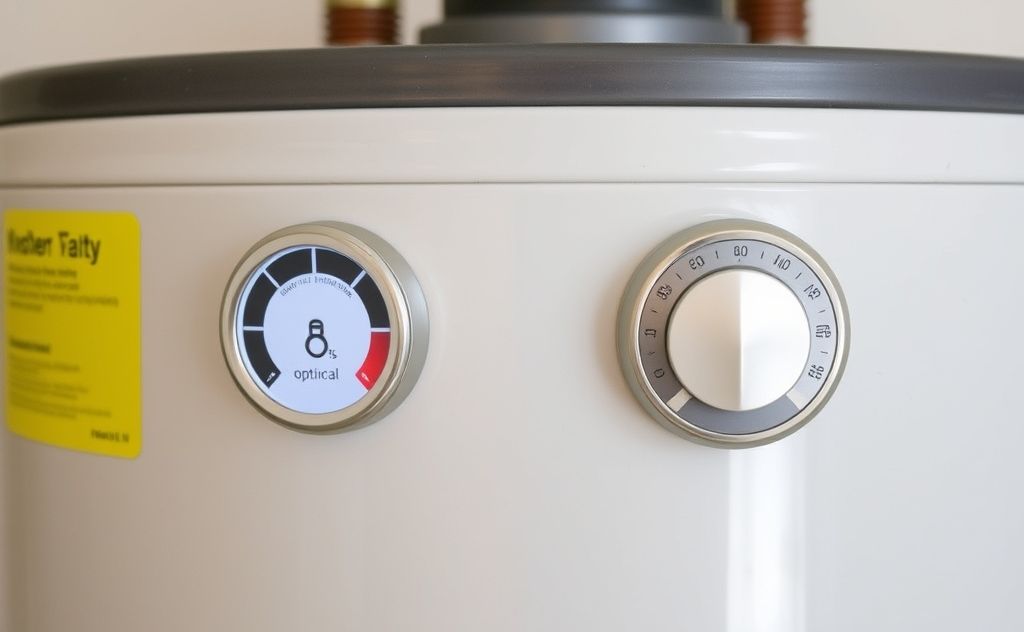
1. The Ideal Temperature: 120°F (49°C)
The U.S. Department of Energy recommends 120°F (49°C) for safety and efficiency. This setting:
- Prevents scalding (burns occur in seconds at 140°F+).
- Reduces energy use by 4–22% annually.
- Works for most showers, sinks, and laundry.
Exception: Homes with legionella bacteria concerns (e.g., immunocompromised residents) may need 140°F but should install anti-scald valves.
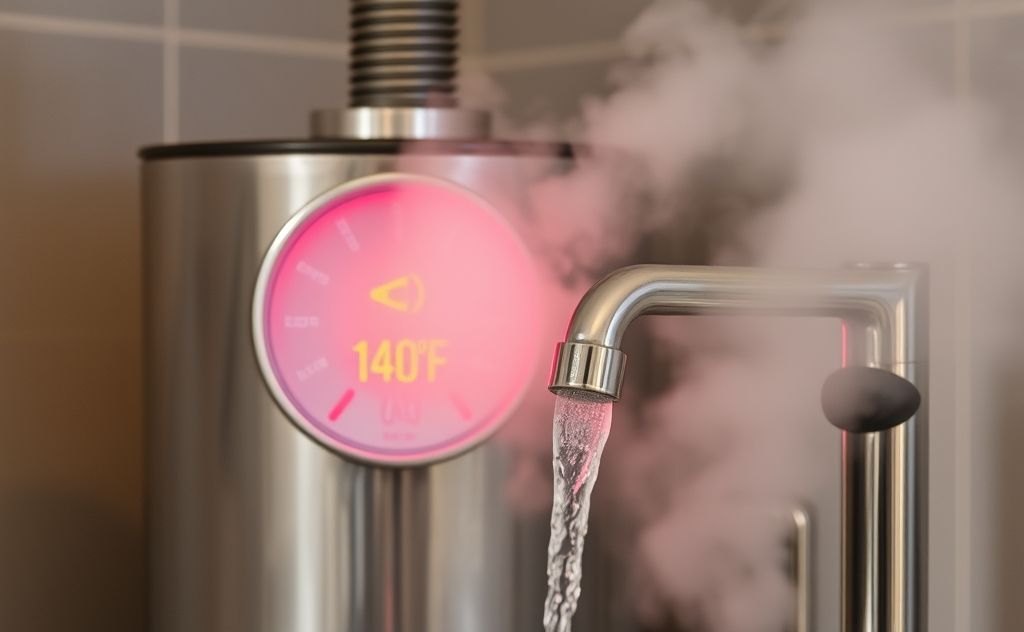
2. When to Use 140°F (60°C)
Higher temperatures suit specific scenarios:
- Dishwashers without preheaters require 130–140°F for optimal cleaning.
- Large households with simultaneous hot water demand.
- Preventing bacterial growth in stagnant pipes (CDC guidelines).
Trade-off: Energy costs rise ~$30–$60 yearly per 10°F increase.
3. Lower Temperatures (110°F or Below)
While 110°F saves energy, it risks:
- Bacterial proliferation (e.g., legionella).
- Insufficient heat for sanitizing dishes or laundry.
Best for: Eco-conscious households with tankless water heaters or supplemental solar heating.
4. How to Adjust Your Water Heater
Gas units: Turn the dial on the thermostat (often labeled “Hotter/Colder”).
Electric units: Adjust upper and lower thermostats behind access panels (turn off power first!).
Pro tip: Test the tap temperature 2 hours after adjusting. Use a thermometer at the farthest faucet.
5. Additional Efficiency Tips
- Insulate hot water pipes and the tank (DOE advice).
- Install low-flow showerheads to reduce demand.
- Drain sediment annually for faster heating.
Summary Table: Water Heater Temperature Guide
| Temperature | Pros | Cons | Best For |
|---|---|---|---|
| 110°F (43°C) | Max energy savings | Bacterial risk | Eco homes with tankless heaters |
| 120°F (49°C) | Safe, efficient, balanced | May need dishwasher booster | Most households |
| 140°F (60°C) | Kills bacteria, suits dishwashers | Scalding risk, higher costs | Large families/immune concerns |
Finding the best water heater temperature setting depends on your household’s needs. Start at 120°F and adjust for safety or efficiency. Small changes can yield big savings—without sacrificing comfort.
Related pick: Check today's price on Amazon

I am a mechanical engineer and love doing research on different home and outdoor heating options. When I am not working, I love spending time with my family and friends. I also enjoy blogging about my findings and helping others to find the best heating options for their needs.
Related guides

Once you try this, you’ll never look back for heating!
Looking for the best heat source for your house? Find out which options keep your home cozy and…
Discover the Best Bucket Water Heater for Quick Warmth
Looking for the best bucket water heater? Find the perfect solution for quick warmth and endless comfort in…
Rechargeable Thermal Socks That Heat Up in Seconds
Heated Socks for Men, APP Control Heated Socks Women, Electric Rechargeable Thermal Socks, Washab... ✅ Prime Shipping Available…