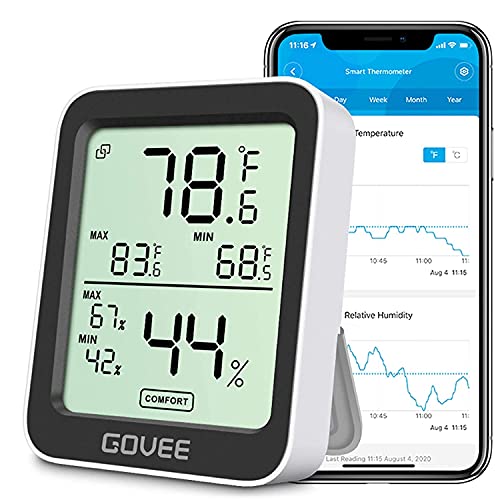
Smart temperature systems optimize heating and cooling by using sensors and algorithms to maintain comfort while enhancing energy efficiency in homes and buildings.
Smart temperature systems are revolutionizing how we control indoor climates. These advanced systems automatically adjust heating and cooling to maintain ideal conditions while saving energy. Unlike traditional thermostats, smart systems learn your preferences and adapt to your schedule.

Amazon
Amazon Smart Thermostat, Save money and energy,…
- An Alexa thermostat - Amazon Smart Thermostat is an easy way to switch from a traditional thermostats for homes and help reduce en…
- Create comfort zones throughout your home by connecting to select Alexa devices to automatically adjust heating and cooling based…
- Save money and energy - After purchase, Amazon will send you an email with details about home thermostat rebates that may be avail…

The Core Components of Smart Temperature Systems
Modern smart temperature systems consist of several key elements that work together:
Smart Thermostat
The brain of the system includes sensors, Wi-Fi connectivity, and learning algorithms. Devices like the Nest Learning Thermostat can reduce heating and cooling bills by 10-12%.
Environmental Sensors
These detect temperature, humidity, air quality, and occupancy. Some systems use motion detection to determine when to adjust settings.
Cloud Connectivity
Allows remote control via smartphone apps and integration with other smart home devices. This enables features like geofencing that adjusts temperature when you leave or return home.
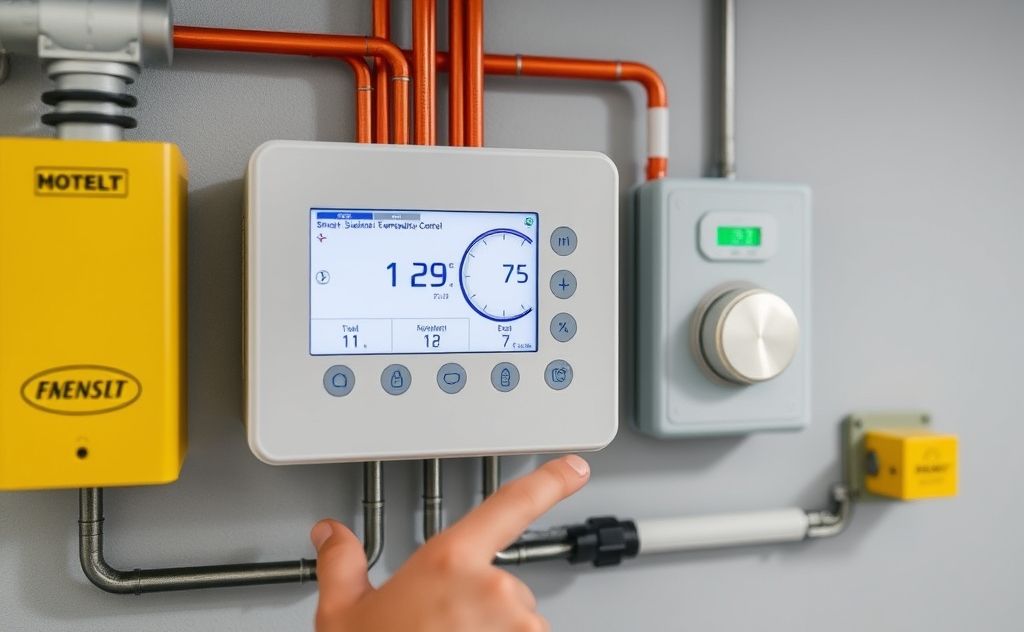
How Smart Systems Regulate Temperature
These systems use sophisticated methods to maintain optimal conditions:
Learning Algorithms
The system analyzes your temperature adjustments over time to build a personalized schedule. It notices patterns like when you wake up or leave for work.
Weather Adaptation
Many systems connect to weather services to anticipate temperature changes. They might pre-cool your home before a heat wave or warm it before a cold front arrives.
Zone Control
Advanced systems can control different areas independently. For example, they might keep bedrooms cooler at night while maintaining living areas at daytime comfort levels.
Energy Efficiency Benefits
Smart temperature systems provide significant energy savings:
| Feature | Energy Savings |
|---|---|
| Auto-scheduling | 10-15% |
| Geofencing | 5-8% |
| Weather adaptation | 3-5% |
According to the U.S. Environmental Protection Agency, proper use of smart thermostats can save homeowners about $180 annually on energy bills.
Integration With Smart Home Ecosystems
Modern systems work seamlessly with other smart devices:
- Voice control through Alexa or Google Assistant
- Automated blinds that adjust with temperature changes
- Smart vents that direct airflow where needed most
- Integration with security systems to adjust settings when armed
Advanced Features in Modern Systems
The latest generation of smart temperature systems offer impressive capabilities:
Air Quality Monitoring
Many now track CO2 levels, particulate matter, and VOCs, automatically adjusting ventilation when needed.
Predictive Maintenance
Some systems can detect HVAC system issues before they become serious problems, potentially saving thousands in repair costs.
Occupancy Detection
Using motion sensors and AI, systems can determine which rooms are in use and adjust accordingly for maximum efficiency.
Choosing the Right System
Consider these factors when selecting a smart temperature system:
- Compatibility with your existing HVAC system
- Required features vs. budget
- Ease of installation and use
- Integration with other smart home devices
- Energy savings potential
Smart temperature systems represent a significant advancement in home automation. By combining intelligent algorithms with precise environmental control, they deliver both comfort and efficiency in ways traditional systems never could.
Related pick: Check today's price on Amazon

I am a mechanical engineer and love doing research on different home and outdoor heating options. When I am not working, I love spending time with my family and friends. I also enjoy blogging about my findings and helping others to find the best heating options for their needs.
Related guides

How Smart Temperature Systems Work Remotely (And Why You Need One)
Smart systems manage temperature remotely using IoT sensors and algorithms to optimize heating and cooling for energy efficiency…
How Smart Systems Revolutionize Home Temperature Control
Smart systems optimize home temperature by using sensors and algorithms to adjust heating and cooling based on occupancy,…
Smart Temperature Control Systems: Ultimate Comfort & Savings
Smart systems for optimal temperature control use advanced algorithms and sensors to maintain desired climates efficiently, enhancing comfort…