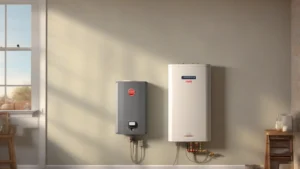
Using the Turbo Tank Cleaner Pro-Grade involves attaching it to your water heater’s drain valve, running a cordless drill at low speed to loosen sediment, and flushing without fully draining the tank. The job takes about 30 to 60 minutes and is doable for a careful DIYer.
Sediment buildup inside tank water heaters reduces efficiency and can shorten their lifespan. The Turbo Tank Cleaner Pro-Grade is a tool designed to tackle this common problem by loosening and flushing out deposits without the hassle of fully draining the tank.
This guide walks you through the setup, operation, and precautions needed to clean your water heater effectively, plus common mistakes and when to call a pro.
Turbo Tank Cleaner Pro-Grade Review and How It Works
The Turbo Tank Cleaner Pro-Grade is a sediment removal tool that works with standard gas and electric tank water heaters featuring a 3/4 inch drain valve. It operates by attaching to the drain valve and using a cordless drill at low speed to power a spring agitator that loosens sediment inside the tank without fully draining it.
How does Turbo Tank Cleaner work? The tool has a flexible spring agitator housed in a clear polycarbonate casing. When connected to your drill and inserted into the water heater’s drain valve opening, the agitator spins inside the tank to break up sediment deposits. The transparent housing lets you watch sediment flush out in real time, confirming the cleaning process.
Is Turbo Tank Cleaner safe for water heaters? Yes. Its smooth, impact-resistant polycarbonate housing and gentle spring agitator are designed to protect the water heater’s glass lining and dip tube. The manufacturer reports no lining damage after over 40,000 units sold. The tool’s construction ensures durability while avoiding scratches or harm to internal components.
Using the Turbo Tank Cleaner can improve water heater efficiency by reducing sediment buildup, which often causes noise, inconsistent water temperatures, and higher energy bills. By removing these deposits, your water heater runs quieter and uses less energy to heat water evenly.
Compatibility
The Turbo Tank Cleaner fits most tank water heaters with a 3/4 inch NPT drain valve. It’s not suitable for tankless water heaters or models with non-standard valve sizes.
DIY Skill Level
While the tool simplifies sediment removal, some users find valve removal and setup a bit beyond beginner DIY skills. Careful preparation is key to avoiding leaks or damage during installation.
Tools and Preparation Checklist for Using the Turbo Tank Cleaner
To use the Turbo Tank Cleaner effectively and avoid water spillage, you’ll need a few specific tools and some prep steps. Start by gathering a cordless drill with variable speed control, which powers the agitator at the correct low speed.
Attach a garden hose to the water heater’s drain valve to direct flushed sediment and water outdoors or into a suitable drain. Have a bucket or towels ready to catch any drips or spills that may occur during setup or cleaning.
Before starting, turn off the water heater’s power supply—switch off the breaker for electric models or close the gas valve for gas heaters. Set the thermostat to warm (not hot) to reduce pressure and scald risk during cleaning.
Preparation Checklist
Cordless drill with variable speed
Garden hose for draining water outside
Bucket or towels for spill control
Power or gas supply turned off
Thermostat set to warm, not hot
Check that the drain valve is 3/4 inch and accessible
Water Spillage Risk
Ensure the garden hose connection is tight and routed properly before turning on the water. Water can spill if the hose slips or drains into an unsuitable spot. Prepare towels or a bucket to handle unexpected leaks.
How to Clean Your Water Heater with the Turbo Tank Cleaner
1
Turn Off Power or Gas and Close Cold Water Supply
Before you start, switch off the water heater’s power at the breaker or shut off the gas supply. Then, close the cold water inlet valve to prevent new water from entering the tank during cleaning.
2
Attach Garden Hose to Drain Valve and Position Outlet
Connect a garden hose securely to the water heater’s drain valve. Run the hose to a safe drainage spot or bucket to catch the flushed sediment and water, avoiding any spills.
3
Remove Drain Valve and Install Turbo Tank Cleaner
Using an adjustable wrench, carefully unscrew the drain valve. Replace it with the Turbo Tank Cleaner tool, threading it into the same opening and tightening it snugly but not excessively.
4
Connect Tool to Cordless Drill and Set to Low Speed
Attach the Turbo Tank Cleaner’s coupling to a cordless drill. Set the drill’s speed to low—the cleaning tool relies on gentle agitation to loosen sediment without damaging the tank lining.
5
Run Drill to Agitate Sediment and Watch Through Clear Housing
Power the drill and watch sediment swirl inside the tool’s clear polycarbonate housing. The flexible spring agitator breaks up deposits, visible as cloudiness moving through the water flow.
6
Flush Loosened Sediment Through Drain Valve
After agitation, open the water heater’s cold water supply briefly to flush loosened sediment out through the garden hose. Repeat agitation and flushing cycles until water runs clear.
7
Reinstall Drain Valve and Restore Power or Gas
Once cleaning is complete, remove the Turbo Tank Cleaner and reinstall the original drain valve tightly. Remove the garden hose, open the cold water inlet, and turn the heater’s power or gas back on to resume normal operation.
Low-Speed Drill Only
Running the drill at high speed risks damaging the water heater’s internal lining and dip tube. Stick to low speed to protect your tank while clearing sediment.
Prepare for Water Spillage
Position towels or a shallow pan under the drain valve before removing it to catch drips and avoid water damage to your floor.
From HeaterGuides · our own guidePages 9 to 13 are the fault flowcharts: no hot water, noises, smells and leaks, in order.Water Heater Owner's ToolkitFix the common faults yourself, keep it running for years, and know when a repair is money wasted.No-hot-water flowcharts, gas and electricFlush, anode, relief valve and descaling stepsRepair-or-replace calculator (Excel)$14.99$9.99Get it for $9.99See what's inside and watch the 2-minute video →18-page printable PDF + Excel calculator · instant download · 30-day refund
Common Mistakes That Cause Damage or Leaks
Avoid High-Speed Drill Damage
Using the cordless drill at anything above low speed can harm the water heater’s glass lining or dip tube. The Turbo Tank Cleaner’s spring agitator is gentle but only when spun slowly.
Secure Drain Valve Properly
Failing to tighten the drain valve or Turbo Tank Cleaner tool firmly leads to leaks during and after cleaning. Use the right wrench size and snug it well without over-torquing.
Don’t Force Valve Removal or Installation
Applying too much force when removing or reinstalling the drain valve risks stripping threads or cracking the valve body. Take your time and use penetrating oil if stuck.
Check Clearance Around Drain Valve
Tight or awkward spaces can prevent proper Turbo Tank Cleaner installation. Confirm you have enough room to attach the tool and operate the drill freely before starting.
Manage Water Spillage Carefully
Ignoring water leaks or failing to direct the garden hose outlet to a safe drain causes water damage. Always double-check hose connections and drainage paths before running the tool.
When to Call a Licensed Professional or Get Permits
Some water heater maintenance tasks exceed DIY limits and require a licensed plumber or permits. Local codes often mandate a licensed professional for gas or electrical shutoff during cleaning or repairs, so check before starting.
Permits for sediment removal are uncommon but might be needed if the job involves replacing valves or modifying plumbing. If your heater sits in a tight space needing valve removal, or if the lining is fragile or features a powered anode, a pro’s skill protects your equipment.
Significant sediment buildup can mean the tank needs professional flushing or even replacement, not just a simple cleaning. If you’re unfamiliar with plumbing or worried about gas leaks, calling a professional avoids costly damage or safety risks.
DIY Limits
DIY sediment removal works best on standard tanks with accessible drain valves and moderate buildup. Complex setups or older units benefit from expert service.
If your water heater maintenance goes beyond straightforward flushing or you hit unexpected problems, a plumber can ensure safety and compliance. Knowing when to call one protects your home and your heater’s lifespan.
Frequently Asked Questions
Can the Turbo Tank Cleaner damage the glass lining or dip tube?
Reports from the manufacturer and users show no damage to the glass lining or dip tube after extensive use of the Turbo Tank Cleaner. Its spring agitator is designed to be flexible and gentle, minimizing any risk to internal components while effectively loosening sediment deposits.
Do I need to fully drain my water heater before using the Turbo Tank Cleaner?
You don’t have to fully drain the tank to use the Turbo Tank Cleaner. It cleans sediment effectively by flushing while the tank still holds water, saving time and avoiding the hassle of a full drain.
How can I minimize water spillage during the cleaning process?
Preparing your workspace with towels or a bucket and ensuring a secure connection to the drain valve helps reduce water spillage. Also, running the cordless drill at low speed and monitoring the flow prevents sudden bursts that cause leaks.
Is the Turbo Tank Cleaner effective on very old or heavily sedimented tanks?
While it removes sediment well in most cases, very old or heavily scaled tanks may require repeated treatments or professional cleaning for thorough sediment removal. The tool is a strong DIY solution, but some deposits may resist the spring agitator’s action.
Will the Turbo Tank Cleaner work with all cordless drill brands and speeds?
The Turbo Tank Cleaner works best with cordless drills that allow low-speed operation, regardless of brand. High speeds can cause water spillage or damage, so a drill with variable speed control is recommended for safe and effective use.
How often should I clean my water heater with the Turbo Tank Cleaner?
Cleaning every 1 to 3 years is typical, depending on your water hardness and sediment buildup rate. Regular maintenance with the Turbo Tank Cleaner can extend your water heater’s life and maintain heating efficiency.
Before you go · a welcome giftGet the Water Heater Owner's Toolkit for $4.99Fix the common faults yourself, keep it running for years, and know when a repair is money wasted. Normally $14.99; your welcome price saves $10.00. We'll email your link right now.or buy it now for $9.99 without the gift →One email with your link now. We never share your address.

 Water Heater Owner's ToolkitFix the common faults yourself, keep it running for years, and know when a repair is money wasted.No-hot-water flowcharts, gas and electricFlush, anode, relief valve and descaling stepsRepair-or-replace calculator (Excel)